






Belgian PM’s Call for Talks With Putin Draws Sharp Rebuke From EU Ministers.
EU Officials Push Back on Belgian Premier’s Remarks
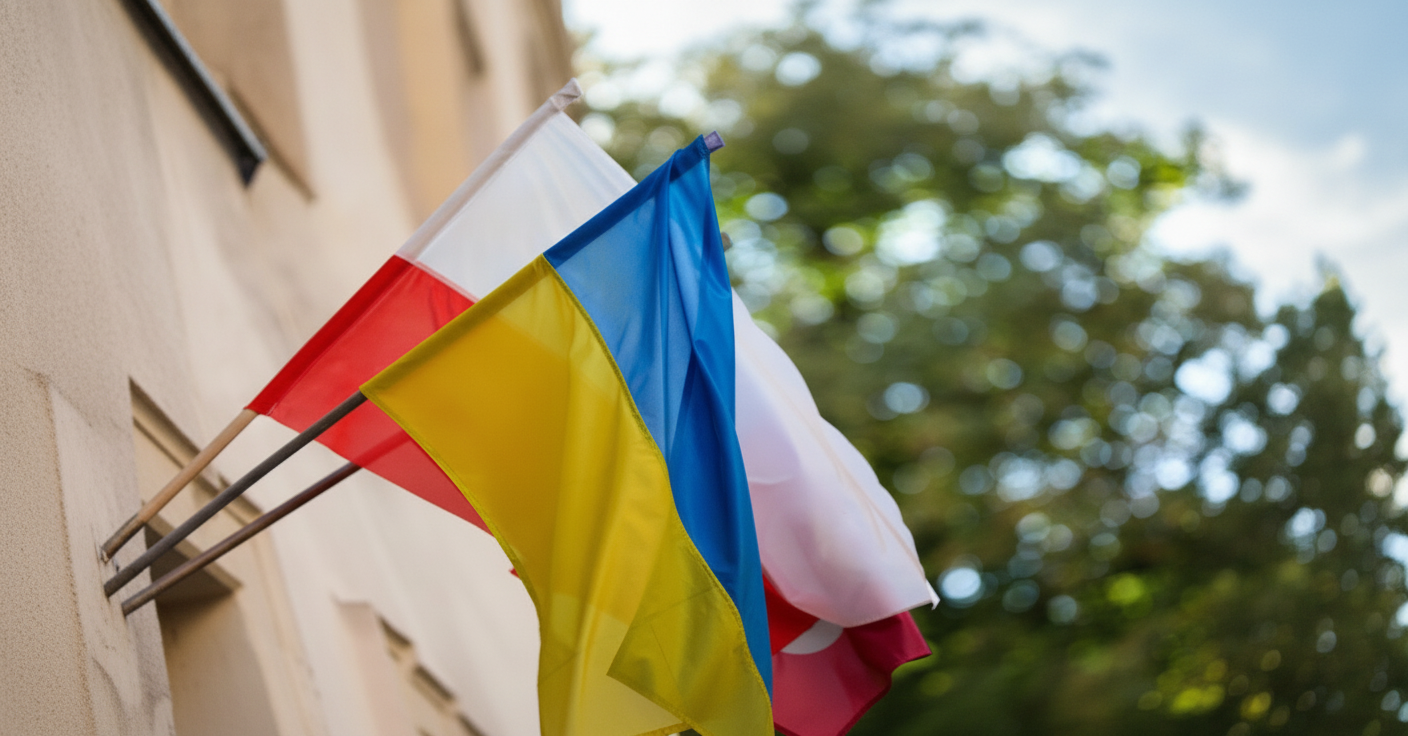
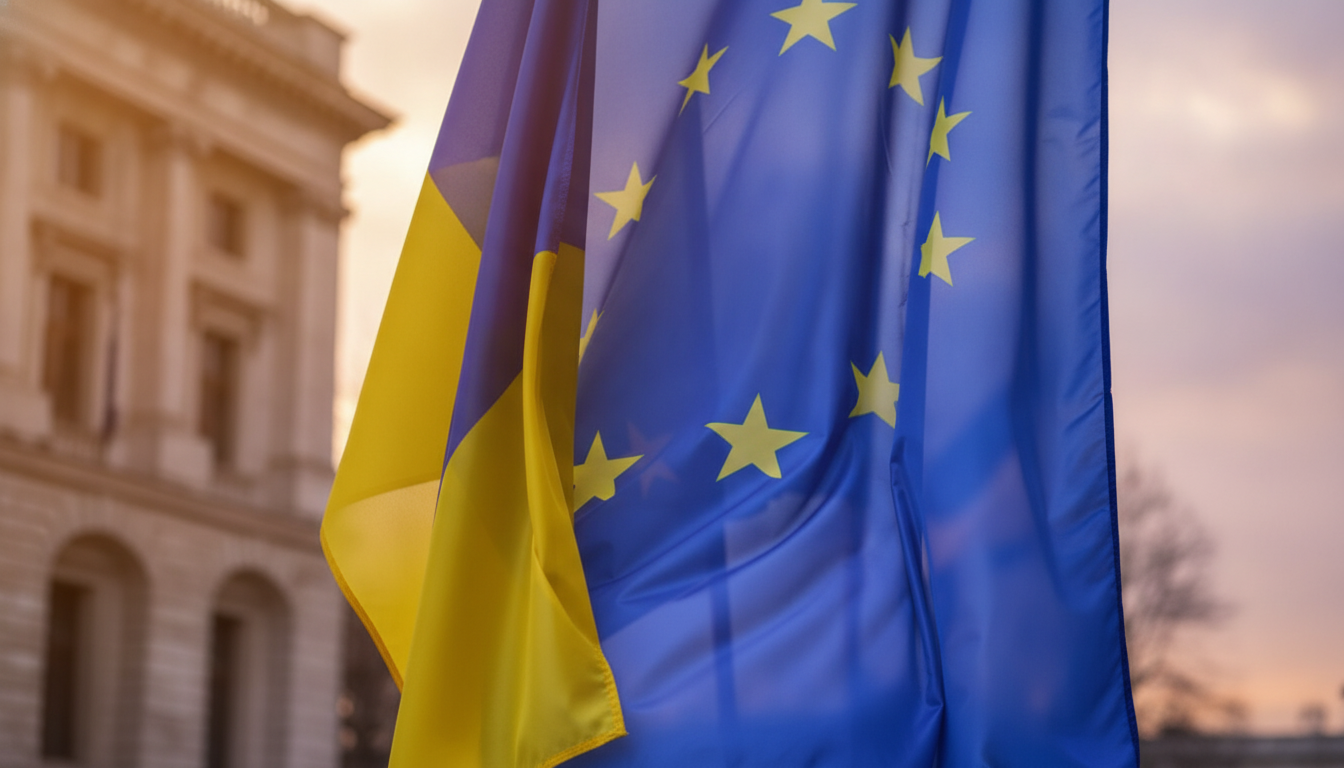
According to TSN.ua: European ministers have strongly criticized Belgian Prime Minister Bart De Wever after he urged negotiations with Vladimir Putin to end the war in Ukraine and resume Russian energy supplies. In response, EU officials made clear they have no intention of buying Russian gas or bankrolling Moscow’s war machine, stressing that dialogue must not lead to normalizing ties with the aggressor.
European Leaders Respond
De Wever’s comments sparked mixed reactions across the bloc. Swedish Energy Minister Ebba Bush pointed out that Russia continues to kill innocent people in Ukraine. She stated emphatically:
“We will not buy gas from Russia. We will not finance its war.” – Ebba Bush
EU Energy Commissioner Dan Jørgensen also weighed in on Europe’s historical reliance on Russian energy, saying it had allowed Putin to blackmail member states. He remarked:
“We depended on Russian energy for too long, and that let Putin blackmail us. We are firmly committed to staying the course on these matters.” – Dan Jørgensen
The European Union already has plans to phase out Russian gas by 2027. In a related development, Europe secured a €90 billion loan to support Ukraine, though Hungary is currently blocking the process. Against the backdrop of an ongoing war and Russia’s international isolation, European leaders are emphasizing the need to strengthen energy security and reduce dependence on the aggressor.
EU official Maxime Prévot highlighted the crucial distinction between dialogue and normalization, stating:
“Dialogue is not the same as normalizing relations. And that is the key difference.” – Maxime Prévot
The backlash from European governments against the Belgian prime minister’s remarks underscores the EU’s firm stance on backing Ukraine and rejecting any return to business-as-usual with Russia while its aggression continues.
This episode highlights growing tensions between EU countries and Russia, as well as the importance of unity among European leaders on energy security. Avoiding any financial support for Russia’s military actions has become increasingly urgent as Europe seeks to cut its reliance on Russian energy. At the same time, supporting Ukraine remains a top priority for the EU, demonstrating a willingness to act despite pressure and blackmail from Moscow.
Read also
- Post-War Ukraine’s Defining Question, According to Terekhov: What Kind of Country Will Emerge?
- Elections Begin in Armenia: Voter Turnout Climbs to 15%
- Iran’s Supreme Leader Khamenei Killed in Massive U.S.-Israeli Airstrike
- Armenia’s Future: Pashinyan Casts His Ballot and Outlines His Vision for the Nation
- Ukraine Lost to NATO in Two Out of Three Simulated Scenarios: What This Means for Its Membership Prospects
- Court Intervention Required to Fix Errors in Ukraine’s ‘Oberih’ Military Database: Who Is Affected