







Complaints Against Ukraine's Draft Offices Surge by Thousands as Mobilization Shifts to Compulsory.

Complaints Against Ukraine's Draft Offices Surge by Thousands as Mobilization Shifts to Compulsory

How Mobilization in 2025-2026 Differs from 2022

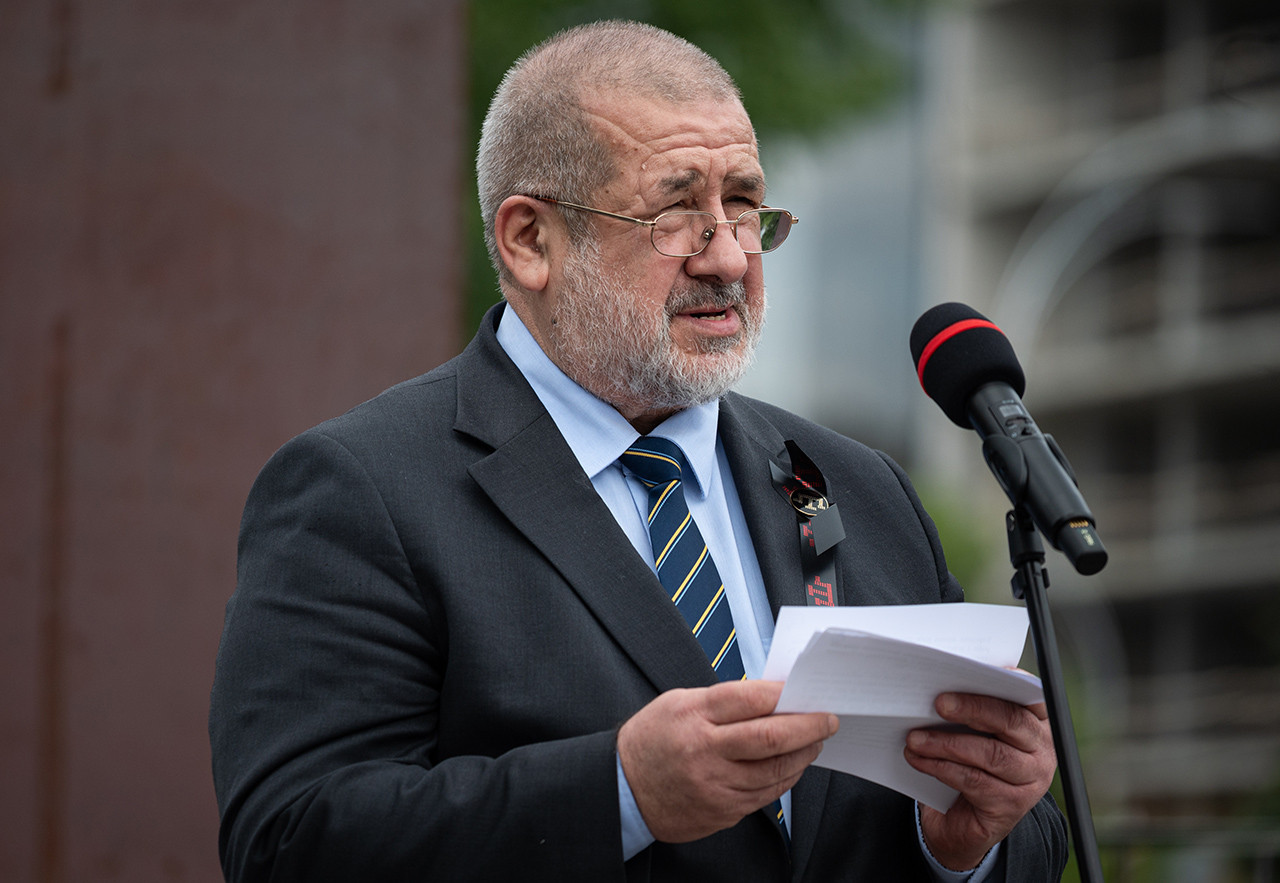
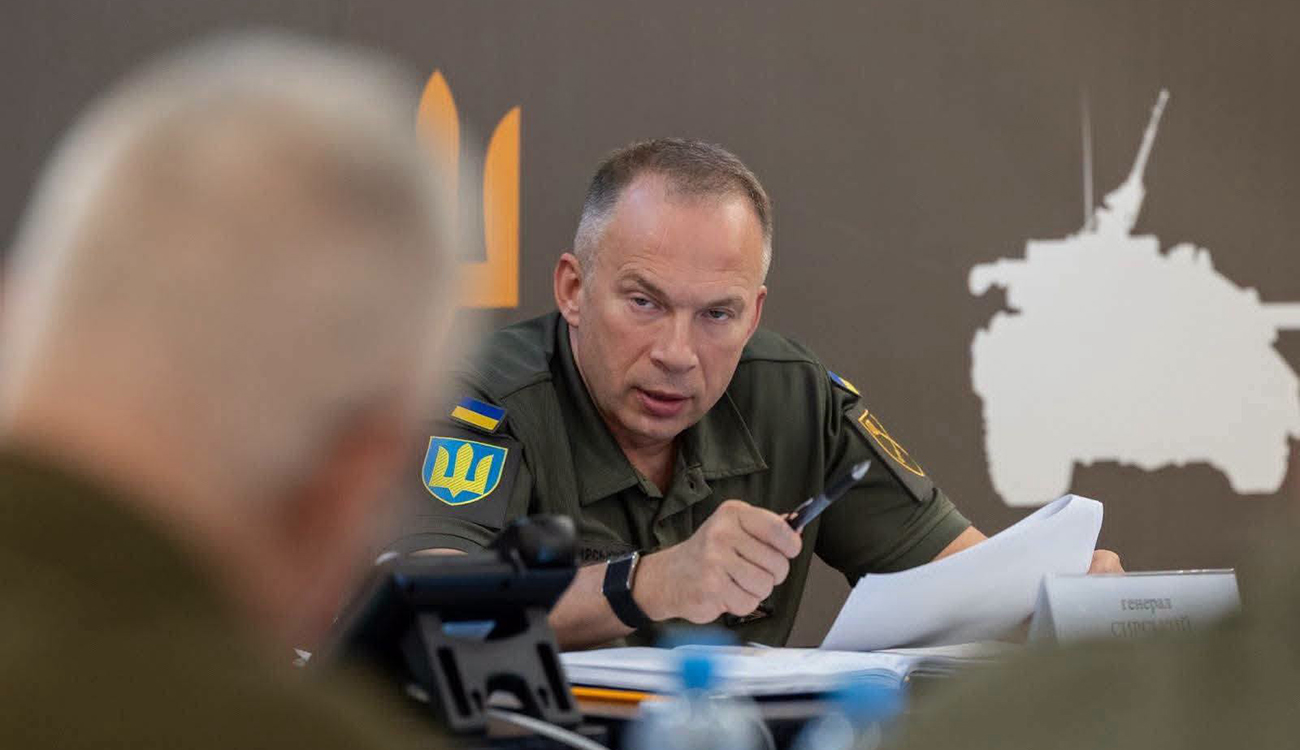
According to TSN.ua: Roman Istomin, head of communications for the Poltava Regional Territorial Recruitment Center (TRC), has highlighted a fundamental shift in Ukraine's mobilization process. He explained that the current 2025-2026 draft is largely compulsory, a stark contrast to the predominantly voluntary mobilization at the war's outset in 2022. This change in approach coincides with a dramatic increase in complaints about the actions of recruitment centers, a trend Istomin acknowledges as a significant issue requiring attention. The shift to compulsory service reflects the prolonged demands of a full-scale war now in its fourth year.

In 2022, when the war began, a significant portion of military personnel were volunteers. That year, the Ombudsman's Office received only 18 complaints. The situation changed drastically in subsequent years, with complaints rising to 514 in 2023 and then soaring to 3,312 in 2024. The number of complaints reached 6,127 in 2025, indicating a massive surge in public dissatisfaction with the TRCs' operations.

Challenges and Issues in the Draft Process

Roman Istomin stressed that the mobilizations of these different periods are two entirely distinct processes, a fact he believes is crucial to understand. He also noted that, despite the high number of complaints, not every case represents a widespread pattern:

“This is an isolated incident against the backdrop of hundreds of thousands of other cases.” – Roman Istomin

Specifically, 34 criminal proceedings were initiated against TRC representatives in 2025, alongside 60 internal service investigations. Furthermore, over 1,700 appeals were recorded regarding violations during military medical commission examinations.

A key concern is that not all mobilization notification groups are equipped with body cameras, raising additional questions about the transparency and oversight of the draft process. Istomin noted that the situation is not always critical, but problems need solving. He used an analogy with lawyers to emphasize his point:

“You talk about a lawyer whose leg was broken, but that does not mean that in all TRCs they are breaking lawyers' legs.” – Roman Istomin

Thus, the sharp rise in complaints against Territorial Recruitment Centers under the compulsory mobilization model is a cause for concern and demands proper attention from responsible authorities.

The escalating number of grievances reflects a shift in public attitude toward the mobilization process, particularly within the context of a forced draft that has become the norm under wartime conditions. This data underscores the urgent need for systemic reforms to ensure transparency and efficiency in the TRCs' work, as well as to improve communication with the public. It is vital for responsible bodies to address this situation and implement measures to resolve issues arising during mobilization, which is essential for maintaining trust in military institutions.


Read also

Advertising