Main News









Advertising
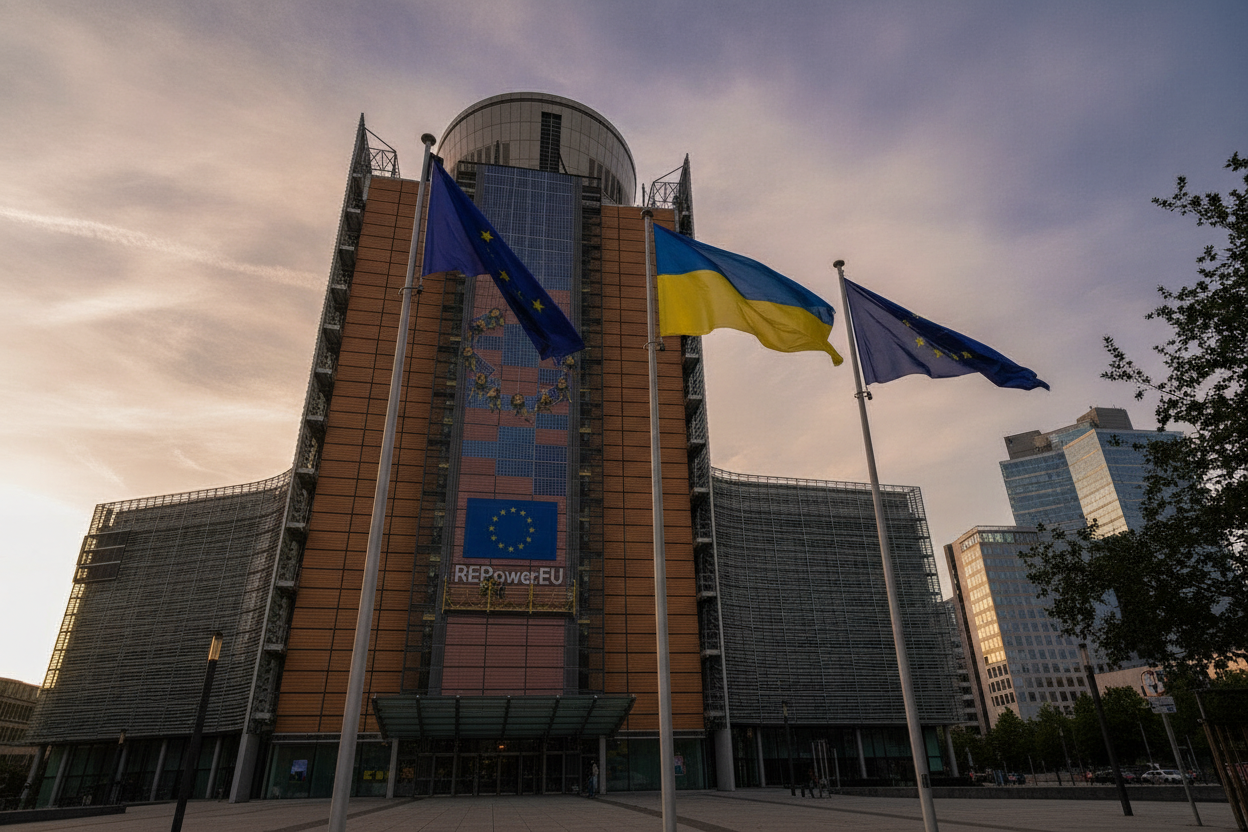
EU Labor Market Now Open to Ukrainians: What This Means for Workers
today, 08:00
203
Advertising

Prisoner Swap Expected Within Days, Says Ukrainian Official Budanov
today, 06:30
280
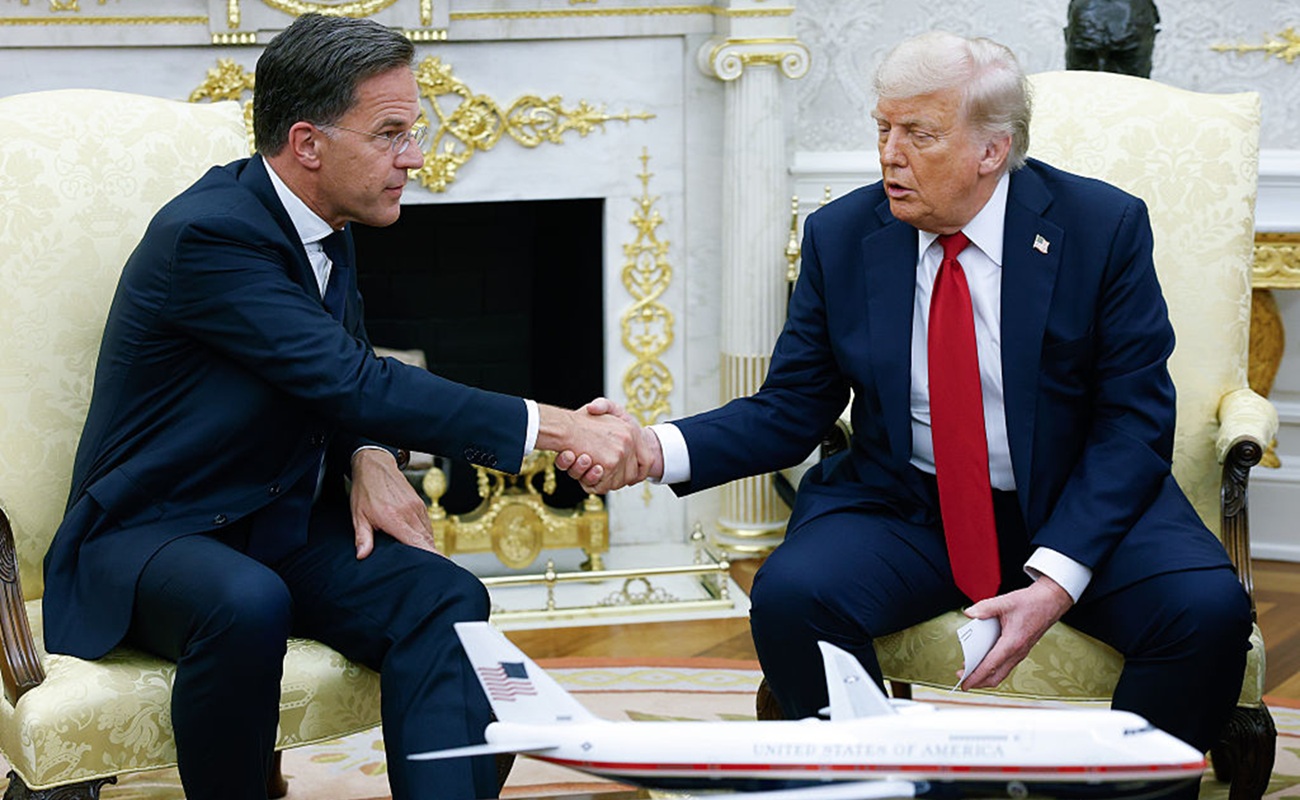
Rutte Presses Trump at the White House: Is NATO’s Unity at Risk?
today, 05:48
345



Why Ukraine Cannot Rely Solely on Foreign Aid for Post-War Recovery, According to an Economist
Economist's Perspective on Ukraine's Post-War Reconstruction Ukraine will require massive reconstruction and economic growth after the war ends, but this must be driven primarily by domestic resources. Financial analyst and economist Oleksiy Kushch argues that depending exclusively on external fund...
today, 06:54
277

Horoscope
LIFESTYLE


Tourism




A Cake Without an Oven: Celebrating Vera’s Name Day on June 27
today, 04:18
317
How to Make Quick Apricot Jam in Just 5 Minutes
today, 02:12
314
Tech

The Hidden Store Mode That Makes TVs Look Brighter Than at Home
today, 07:18
239
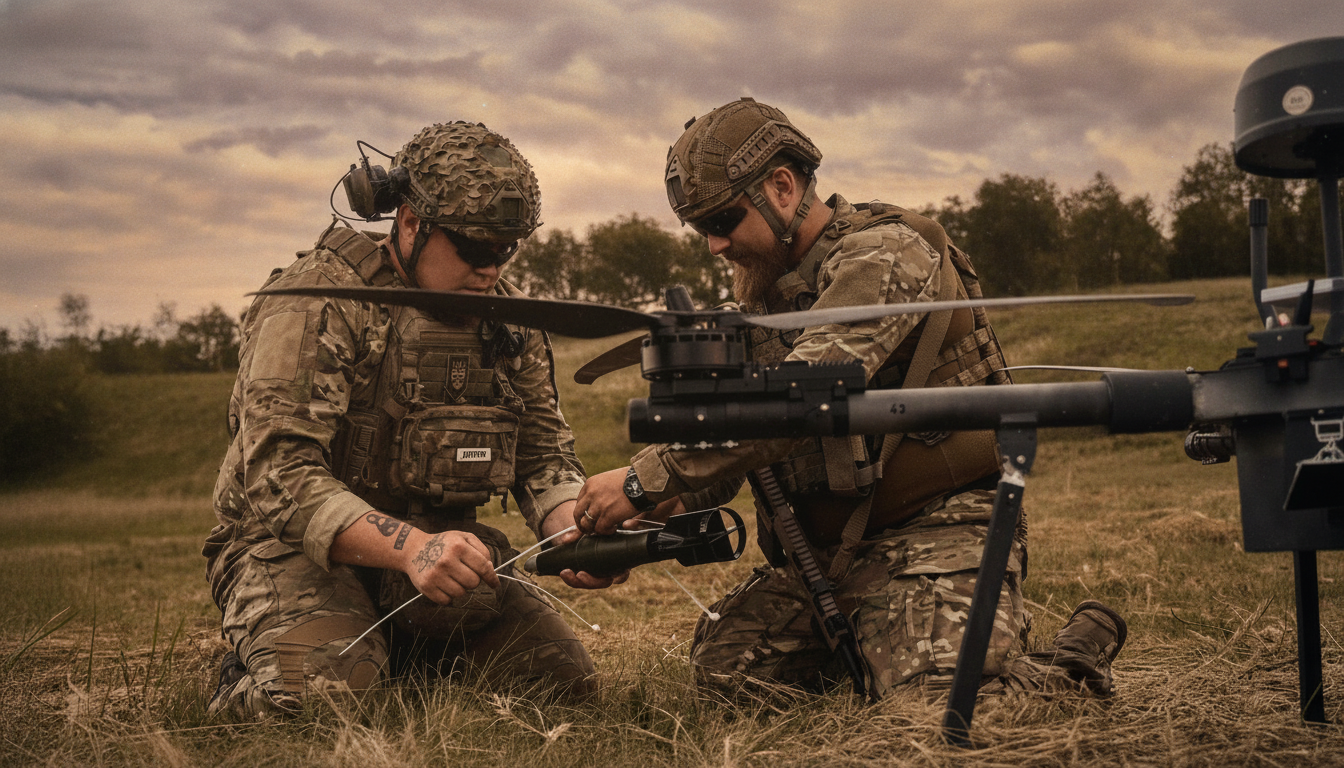
How Ukraine’s FPV Drones Are Taking Down Russian UAVs in Combat
today, 05:24
324
Society
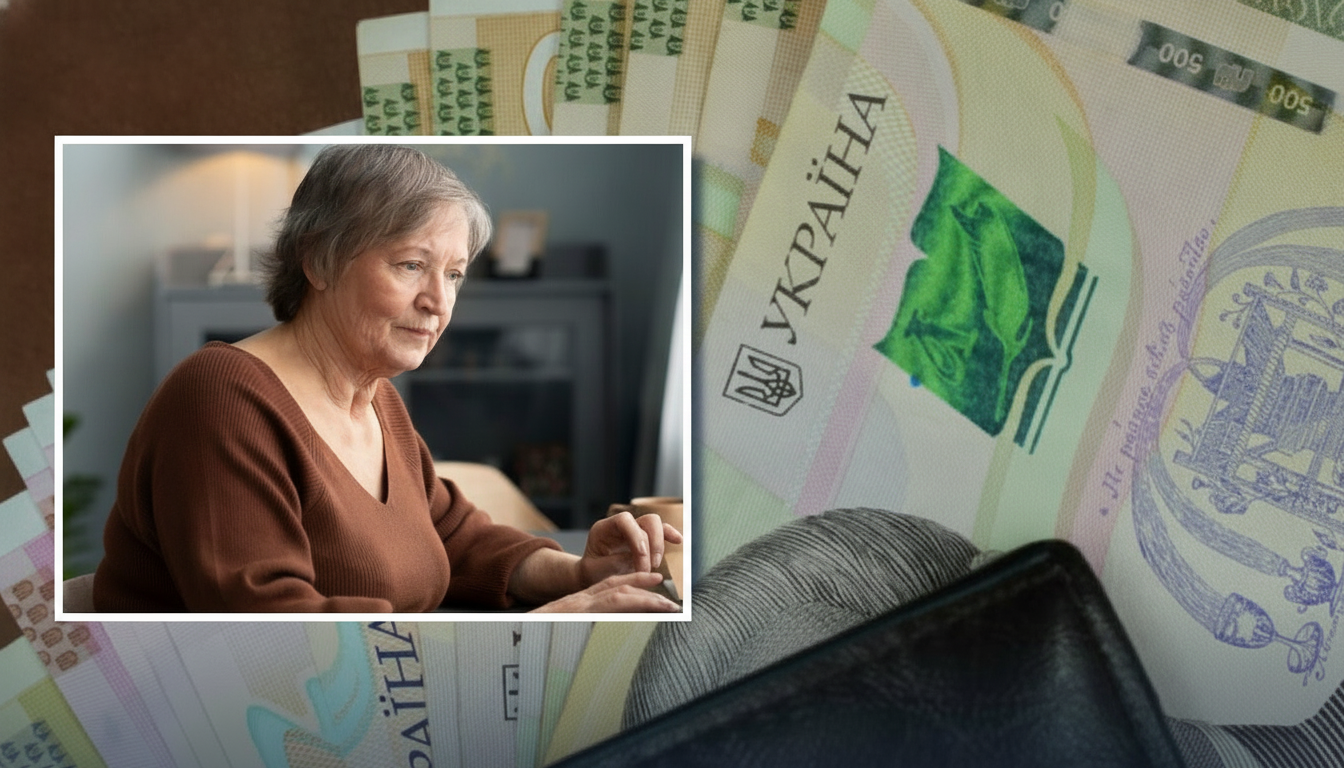


Pensions for Families of Fallen Soldiers to Rise to 12,810 Hryvnias
today, 07:30
231

Showbiz



Sports
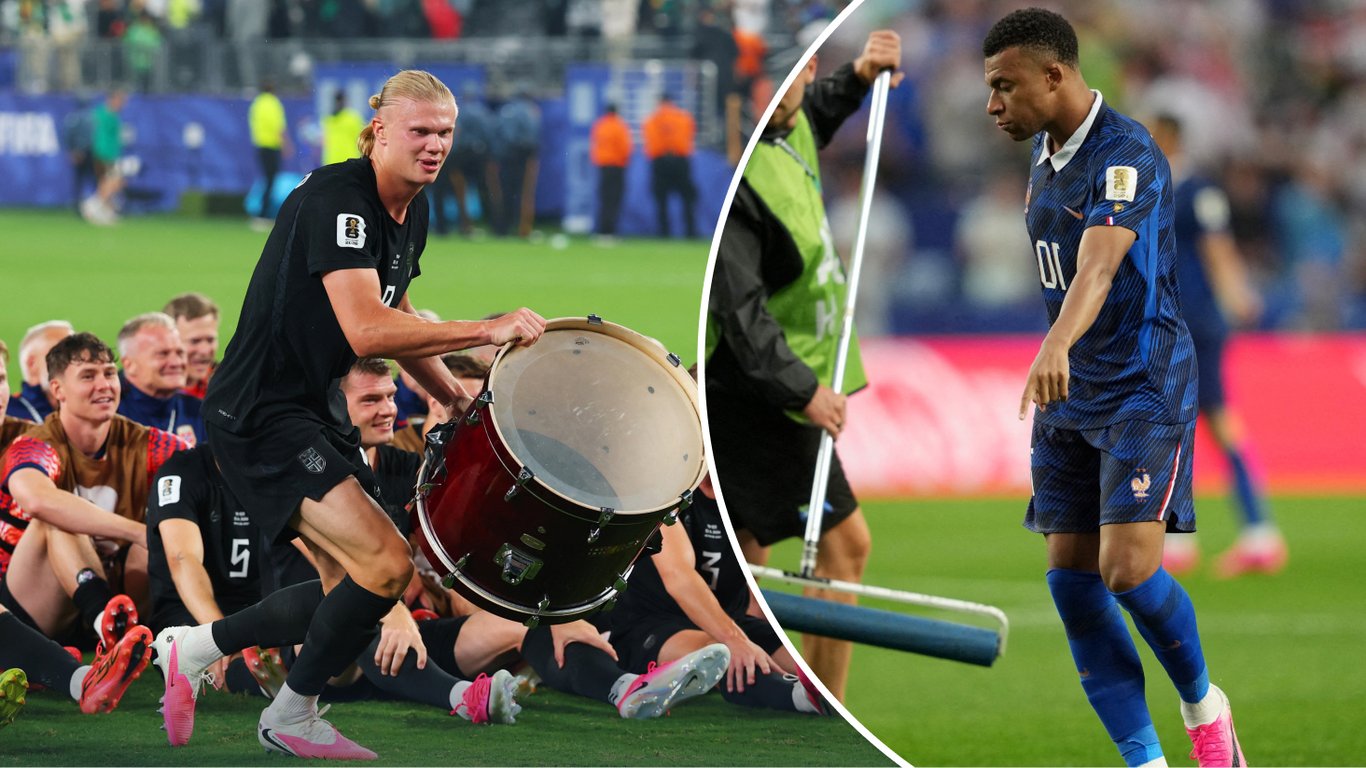

Group I Decider: Norway vs. France at the 2026 World Cup
today, 05:54
284
Affordable Summer 2026: Bulgaria and Turkey Reveal Vacation Costs for Ukrainians
yesterday, 13:42
414