








Ukraine’s Interior Ministry Admits Faulty DNA Test Declared Soldier Dead: What Happens Now After His Return from Captivity.
Official Findings on the Forensic Examination
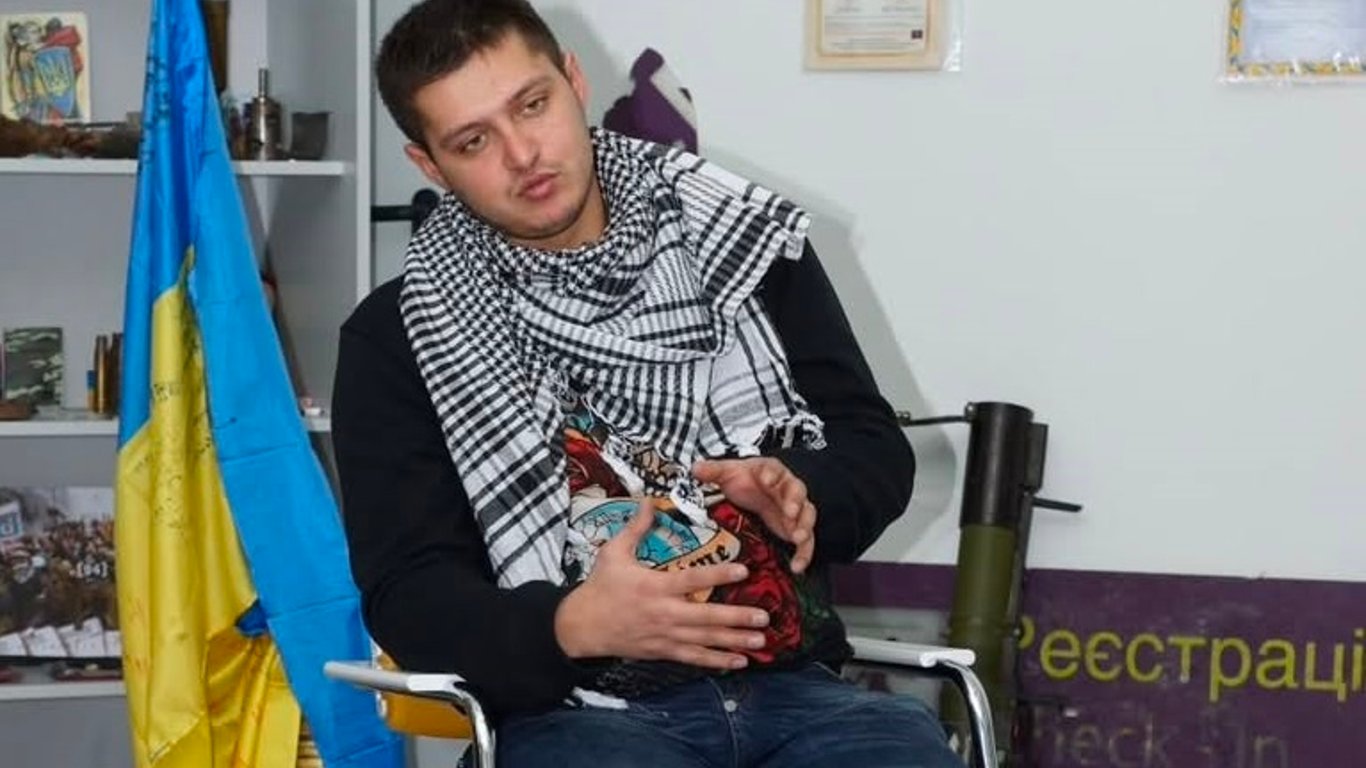
According to TSN.ua: Ukraine’s Ministry of Internal Affairs has confirmed that the molecular genetic analysis which mistakenly identified Nazar Daletskyi as deceased was conducted in accordance with standard procedures. Following Daletskyi’s release from captivity on February 5, 2026, an internal investigation was launched, but it found no procedural errors on the part of the forensic experts.
The DNA test, carried out by specialists at the Kharkiv Research Forensic Center of the Ministry of Internal Affairs, had indicated a 99.9% match, leading authorities to believe Daletskyi had been killed in action. As a result, he was officially listed as deceased starting in September 2022 and was buried in 2023. Officials now state that all required protocols were followed during the examination.
The Daletskyi Family’s Dilemma
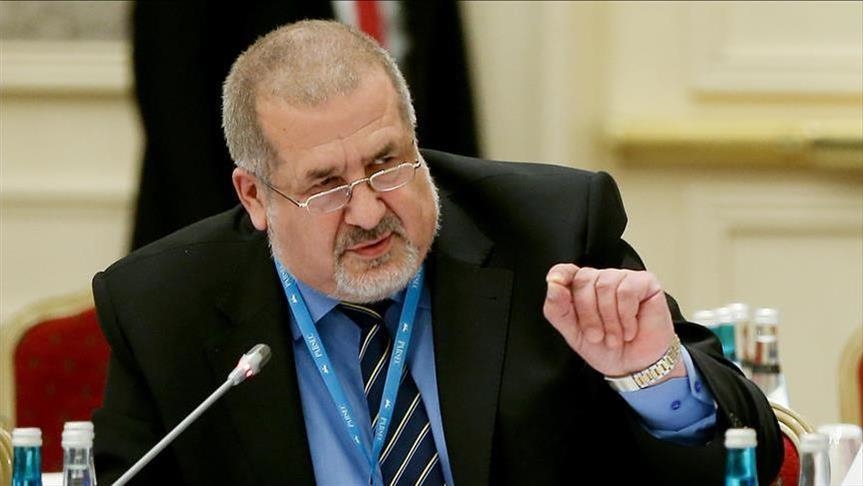
After Nazar Daletskyi came home from captivity, his family found themselves in an unusual predicament: they had already received a government compensation payout for his presumed death. According to Taras Podvirny,
“the family must return the money they received from the state in connection with this.”However, Ukraine’s Ministry of Defense has stated it does not intend to pressure the family into repaying those funds.
The DNA Research and Examination Center of the Ministry of Internal Affairs continues to oversee the proper organization and quality control of molecular genetic testing. This case highlights the immense responsibility forensic experts carry in sensitive matters like identifying fallen soldiers.
This incident underscores the complexity and emotional weight of casualty identification during wartime, as well as the critical need for accuracy in forensic analyses that can profoundly affect families. Nazar Daletskyi’s return from captivity places his family in a difficult position—they received compensation based on earlier tests, yet the Ministry of Defense’s reluctance to demand repayment reflects compassion, though it may also set a precedent for future cases.
Read also
- Push to Drop Math from Ukraine's University Entrance Exam Sparks Alarm Over National Defense
- Three Road Signs That Now Ban Tractors: Check If You’re Breaking the Law
- 17-Year-Old Girl Arrested in Ukraine for Killing an AFU Soldier: Case Details Emerge
- Tossing ATM Receipts? The Hidden Threat to Your Finances
- Ukraine Secures Release of 186 Prisoners, Including 185 Fighters and One Civilian, in Major Swap
- Why AI-Generated Children’s Books Pose a Threat to Literary Quality