Fuel Prices in Kharkiv Region Drop Sharply: Diesel and Auto Gas See Significant Decline.

Fuel Price Decrease in the Kharkiv Region
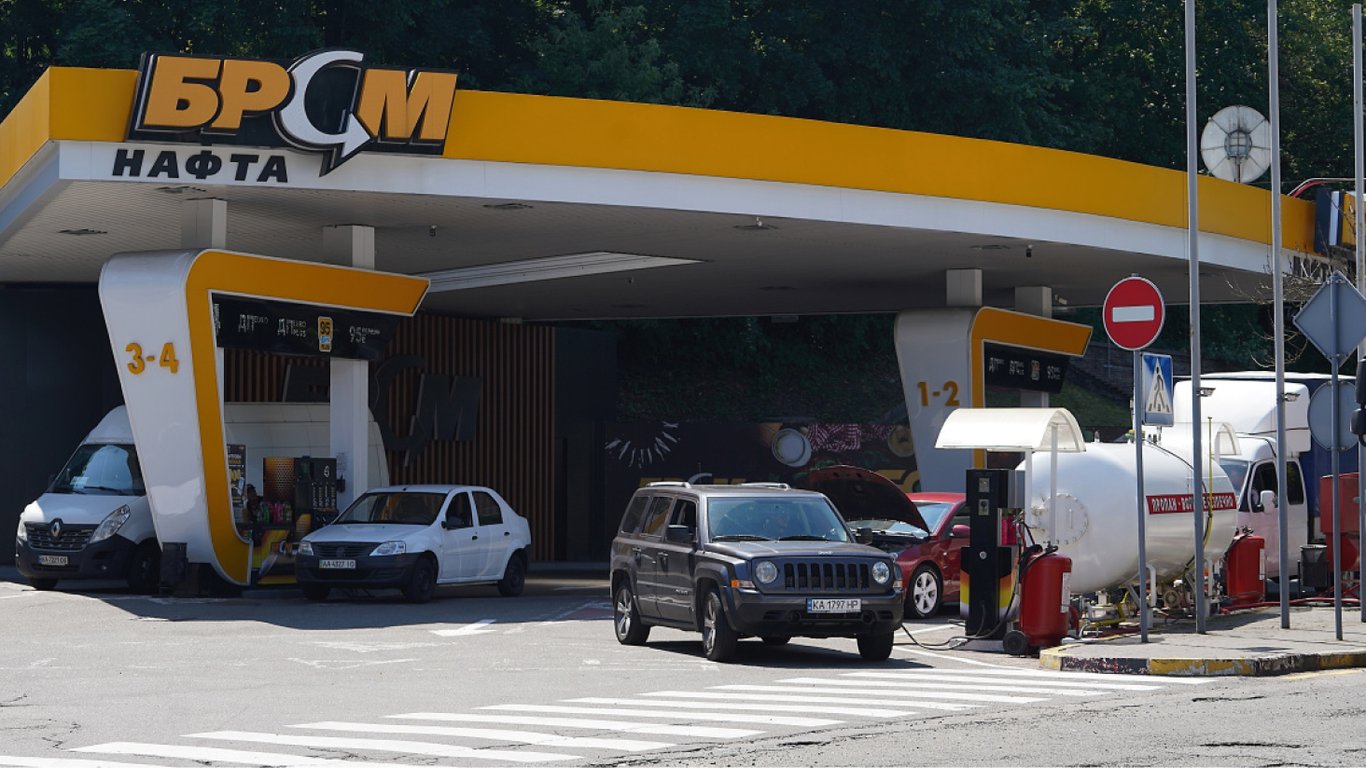
According to Novyny.live: Gas stations across the Kharkiv region are reporting a drop in average prices for petroleum products and auto gas. The most notable reductions have been recorded for diesel fuel and liquefied gas. As of June 9, 2023, the average fuel prices in the Kharkiv region are as follows:
- A-95+ – 79.48 UAH/liter
- A-95 – 74.79 UAH/liter
- A-92 – 69.91 UAH/liter
- Diesel – 84.84 UAH/liter
- Auto gas – 45.28 UAH/liter
On June 8, 2023, the average price for diesel fell by 30 kopecks, from 85.14 UAH/liter to 84.84 UAH/liter, while auto gas became 20 kopecks cheaper, dropping from 45.48 UAH/liter to 45.28 UAH/liter. This points to positive trends in the region's fuel market.
Gasoline and Auto Gas Prices
Looking at gasoline prices, the cheapest A-95 is offered by the Brent Oil chain at 69.85 UAH/liter, while the most expensive can be found at SOCAR (77.90 UAH/liter), as well as at OKKO and WOG (78.90 UAH/liter). Premium A-95+ is most affordably purchased at Marshal and UPG (76.99 UAH/liter), whereas it is priciest at OKKO and WOG (81.90 UAH/liter). Diesel fuel starts at 81.99 UAH/liter at Marshal and reaches 87.90 UAH/liter at OKKO and WOG.
As for auto gas, the cheapest options are at Marshal (43.99 UAH/liter) and Brent Oil (44.25 UAH/liter), while the most expensive gas is found at SOCAR, WOG, and OKKO (46.90 UAH/liter).
Oleh Syniehubov reported that anti-drone nets are being installed along the highway to enhance safety, with work expected to take up to 10 days.
These measures aim to improve road safety in the region amid modern challenges.
The drop in fuel prices in the Kharkiv region could have a significant impact on the financial situation of drivers and residents, as lower fuel costs may stimulate consumer demand. At the same time, safety enhancements on the roads, such as the use of anti-drone nets, show that local authorities are committed to protecting the population and reducing transportation risks in the context of wartime challenges.
Read also
- Russian Strikes Hit Six Ukrainian Regions, Leaving Dead and Dozens Wounded
- July 19 Attack on Ukraine: Over 40 Missiles and 120 Drones Launched by Russia, Casualties Reported
- July 17 Missile Attack on Kharkiv: One Dead, Nine Wounded Including Children
- Three Wounded in Russian Airstrike on Izium, Including Two Children
- A Safe Learning Hub for 260 Children Opens in Pisochyn: Inside the New Facility
- Three Injured and Five Homes Damaged in Drone Strike on Valky