Trees to Avoid in Your Garden: Species That Pose a Risk.

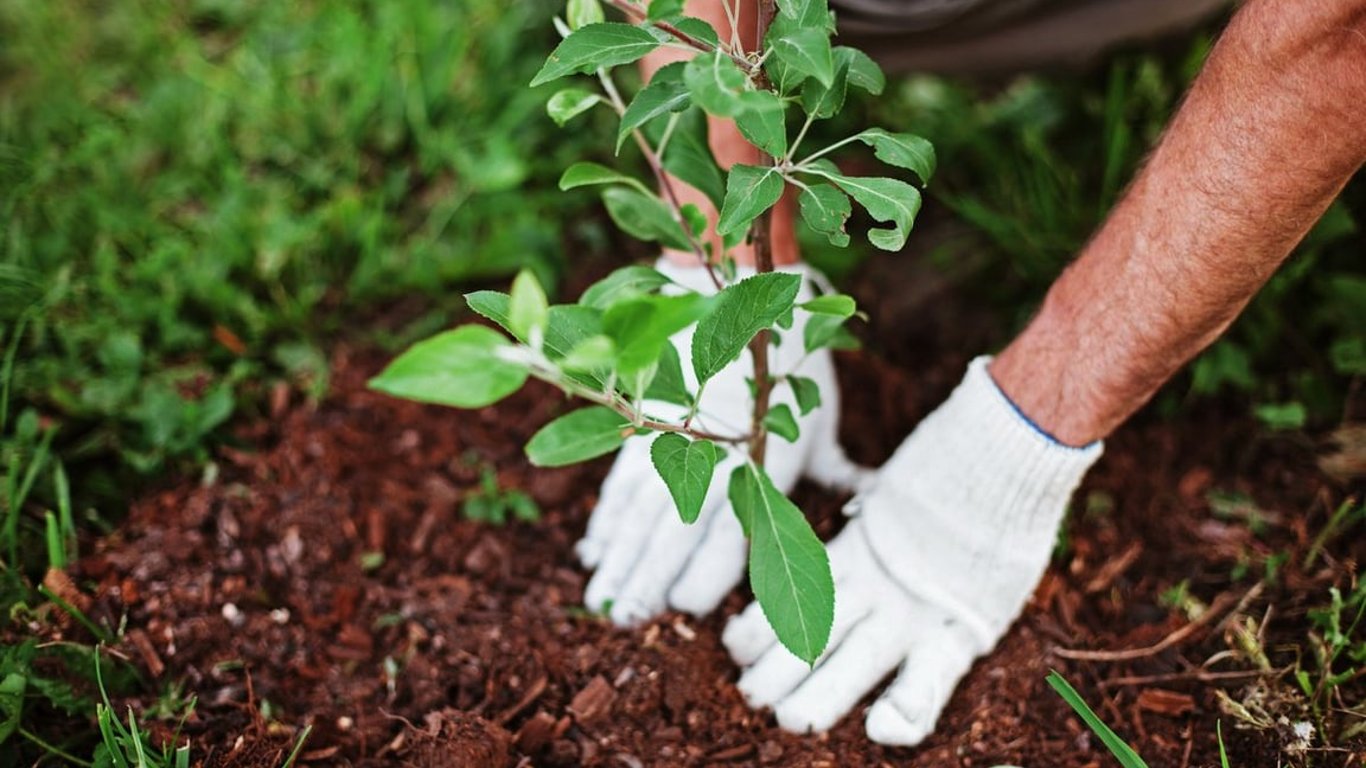
Hazardous Trees in Gardening
According to Novyny.live: Modern gardeners must be aware of tree species that can be harmful, as some can be invasive, toxic, or destructive to a landscape. Many types commonly used in landscaping can significantly damage the local ecosystem or even pose a threat to human health. This is a crucial consideration for both hobbyists and professional landscapers planning a sustainable garden.
Categories of Problematic Trees
Giant species, like the sequoia, can grow up to 90 meters tall and live for millennia. While these trees are impressive in scale, their long-term impact on a property can be problematic, especially in confined spaces. Other large flora, such as the Coulter pine, are notable for their cones, which can weigh 2-3 kilograms, presenting a potential safety hazard.
Poisonous and toxic tree species, like the manchineel, rank among the world's most dangerous. The sap of this plant causes severe burns, and its fruit is toxic, making it hazardous to people and animals. Another example is the yew tree, which contains toxic taxines in all its parts, requiring extreme caution if planted.
Furthermore, there are invasive aggressors that can overrun an area. The Australian pine, for instance, spreads rapidly and crowds out other plants, which can lead to a loss of biodiversity. The alder, which spreads by self-seeding, can occupy large territories, creating problems for native species. Chinese privet fruits prolifically and is difficult to eradicate once established, complicating population control. English holly is also invasive in many regions, demanding attention from gardeners.
Issues with disease and problematic behavior also affect popular trees. The Leyland cypress, frequently used for hedging, is vulnerable to various diseases. All these factors underscore the importance of understanding risky trees and their impact on a garden's ecosystem. Gardeners should select species carefully to avoid potential dangers to their property and well-being.
Awareness of hazardous tree species is critically important for ensuring garden health and preserving biodiversity.
Gardeners who consider these factors can avoid numerous problems associated with poor plant selection. Given the growing challenges linked to environmental change and urbanization, it is vital to continue research and share knowledge about safe and sustainable gardening practices. Making an informed choice can save years of maintenance headaches and ecological damage.
Read also
- Poetry, Music, and Remembrance: Honoring Olena Teliha at Babyn Yar
- Population of Donbas Drops by One-Third Over a Decade: Russia's Demographic Devastation
- Two Men Arrested in Poland for Beating a Local Who Defended a Ukrainian Teen
- Teacher Fined in Ukraine for Using Russian in Classroom: Here’s What Happened
- Ukraine's Security Service Dismantles Fake Job Scheme for Draft Dodgers: Hundreds of Exemptions Sold for $5,000 Each
- Volunteer Threatened and Robbed of $11,000: Inside the Attack