Night Shifts Could Resume in 2026: Eligibility and Premium Pay Explained.

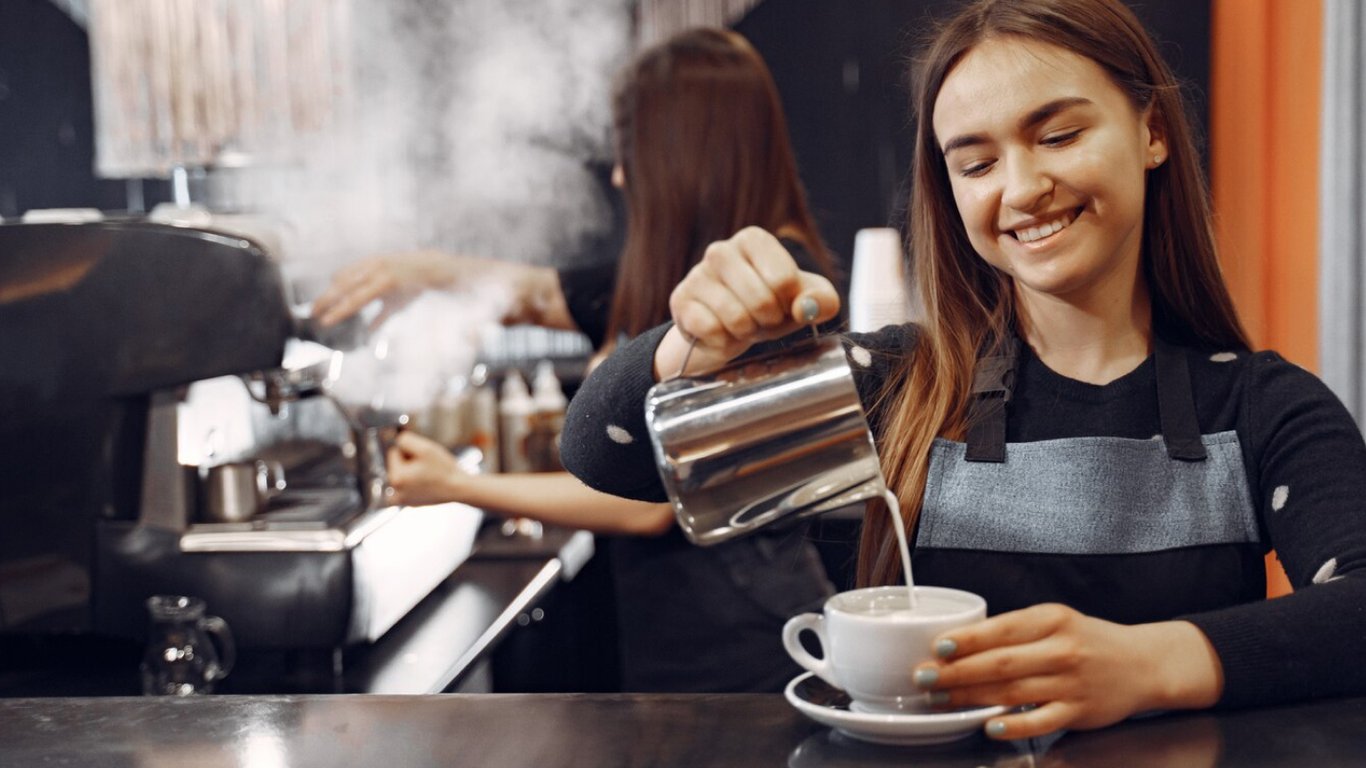
Night Shift Work to Potentially Resume in Ukraine
According to Novyny.live: Starting in January 2026, certain Ukrainian businesses operating under martial law may be permitted to reintroduce night shifts. This measure, aimed at pharmacies, shops, and other essential establishments, requires that night work be compensated at a higher rate as stipulated by the Labor Code. This policy shift addresses the economic strain caused by wartime curfews, which have severely disrupted normal business operations.
The return of night work would apply to the following types of establishments:
- Pharmacies
- Retail stores
- Gas stations
- Service sector businesses
- Shopping and entertainment centers
The decision has gained urgency due to the operational limitations imposed by curfews, which have negatively impacted these enterprises.
Critically, Article 108 of the Labor Code mandates that night work must be paid at a rate no less than 20% above the standard tariff. Employers who violate these minimum labor guarantees face a fine of two minimum wages for each individual working nights. Furthermore, the General Agreement provides for a 20% premium for evening work and a 35% premium for night work based on the hourly tariff rate.
Requirements for Operating at Night
Businesses wishing to operate at night must comply with a specific set of conditions to ensure worker safety and comfort. These mandatory provisions include:
- An autonomous power supply
- Heating
- Stable communication lines
- The ability to charge devices
- Free hot tea
- Registration as an "Invincibility Point" (a designated resilience hub)
These requirements are designed to enhance the safety and well-being of employees performing their duties overnight.
The potential reinstatement of night shifts represents a significant step in maintaining the continuity of critical services during wartime. This move seeks to balance economic needs with the welfare of workers operating in high-risk conditions. The introduction of specific safety and comfort standards underscores the government's focus on labor protections even during a national crisis, a consideration that resonates in many countries adapting to emergency situations.
Read also
- Three Ukrainians Without Documents Rescued from Occupied Territories Under Bring Kids Back UA Initiative
- Ukraine’s first underground kindergarten opens in Kharkiv, accommodating 260 children
- Ukraine's ports crippled by Russian strikes: 28 vessels hit, 21 killed
- 24 Children Rescued from Occupied Territories by Save Ukraine, Including Injured 13-Year-Old Anhelina
- Woman Faces Up to 7.5 Years in Prison After Attacking Children for Speaking Ukrainian in Poland
- One of the Most Recognizable Voices on Ukrainian Radio, Journalist Oleksandr, Has Passed Away