









Advertising


Advertising




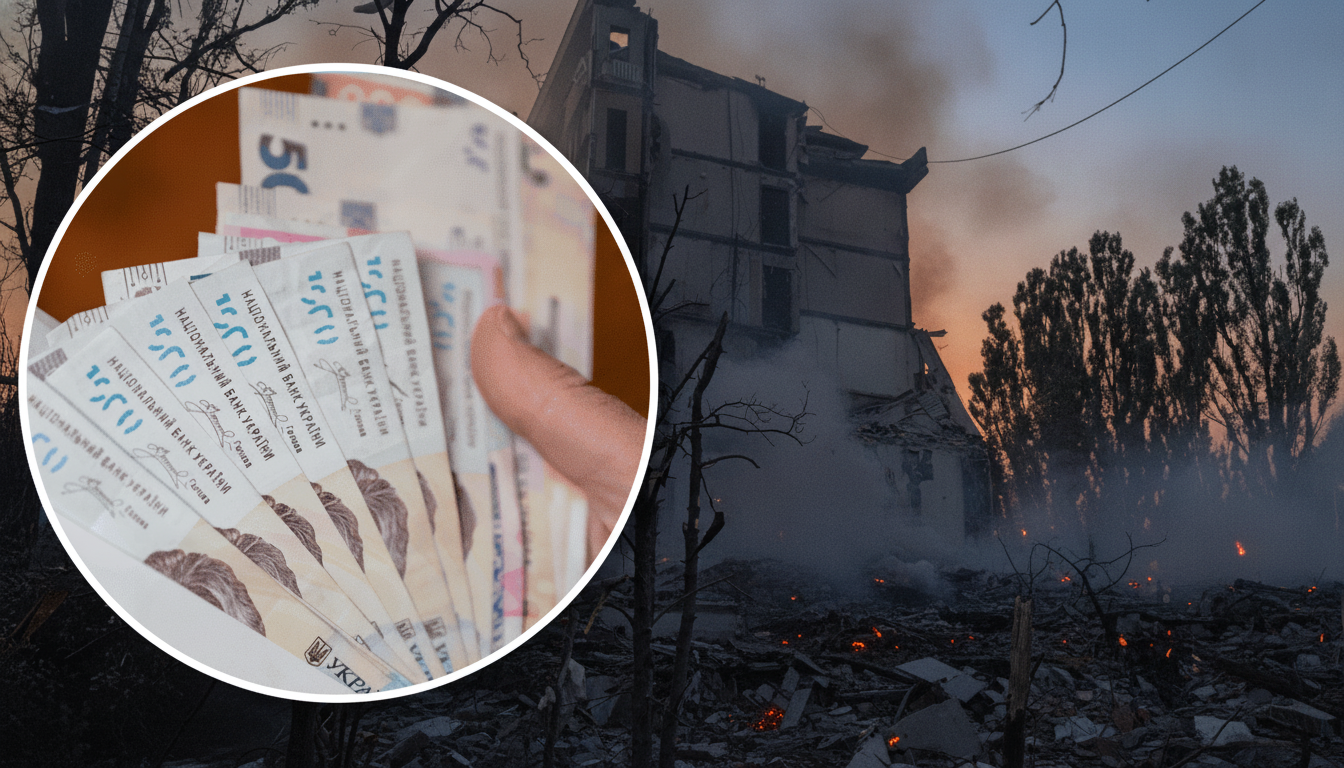

Fuel Crisis Grips Russia as 2026 Refinery Attacks Surge 11-Fold
Strikes on Russian Oil Refineries Since the beginning of 2026, Russian oil refineries have been targeted at least 194 times, severely disrupting the country's fuel market. Compared to the same period last year, the frequency of these attacks has multiplied by 11, sparking widespread concern among bo...
today, 05:42
294
Horoscope
LIFESTYLE

Tourism








Best Haircuts for Thick Hair: Styles That Enhance Your Natural Beauty
yesterday, 16:30
367

Tech
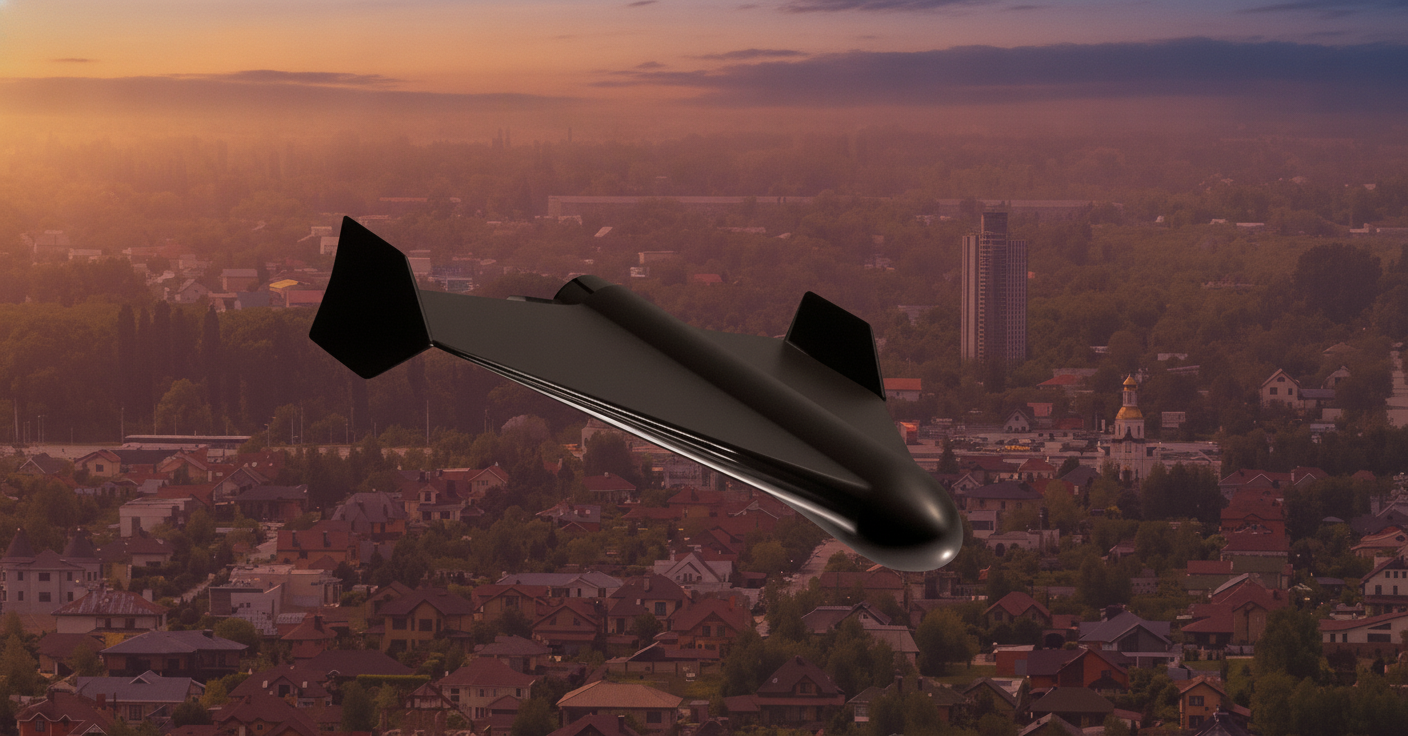

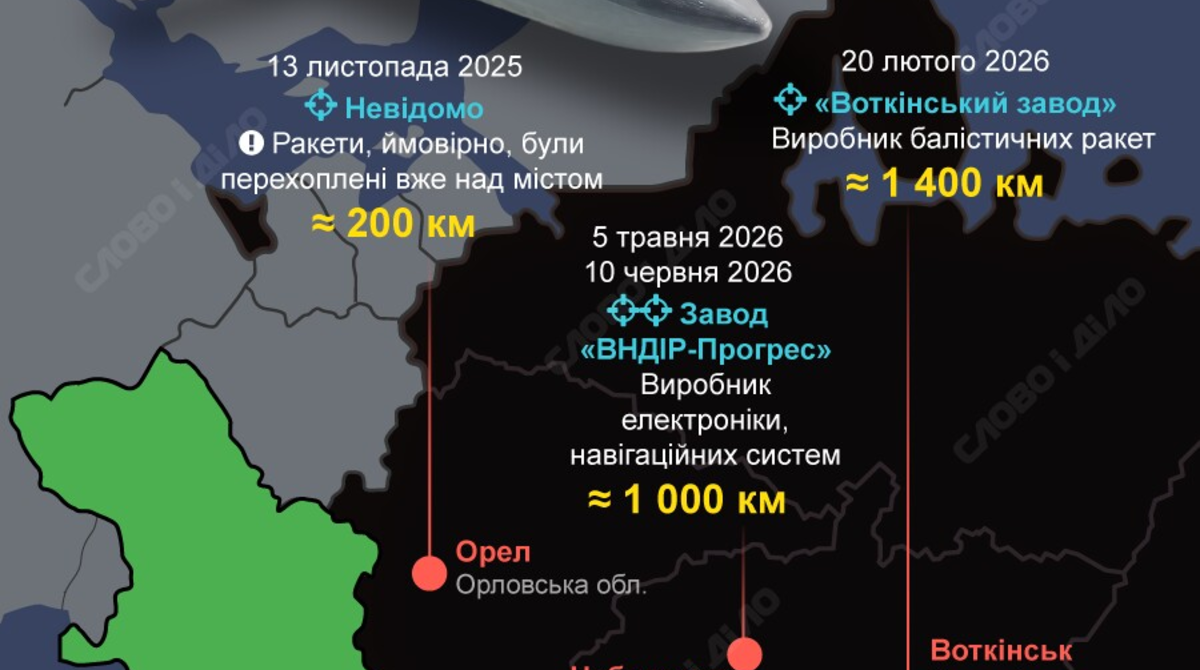
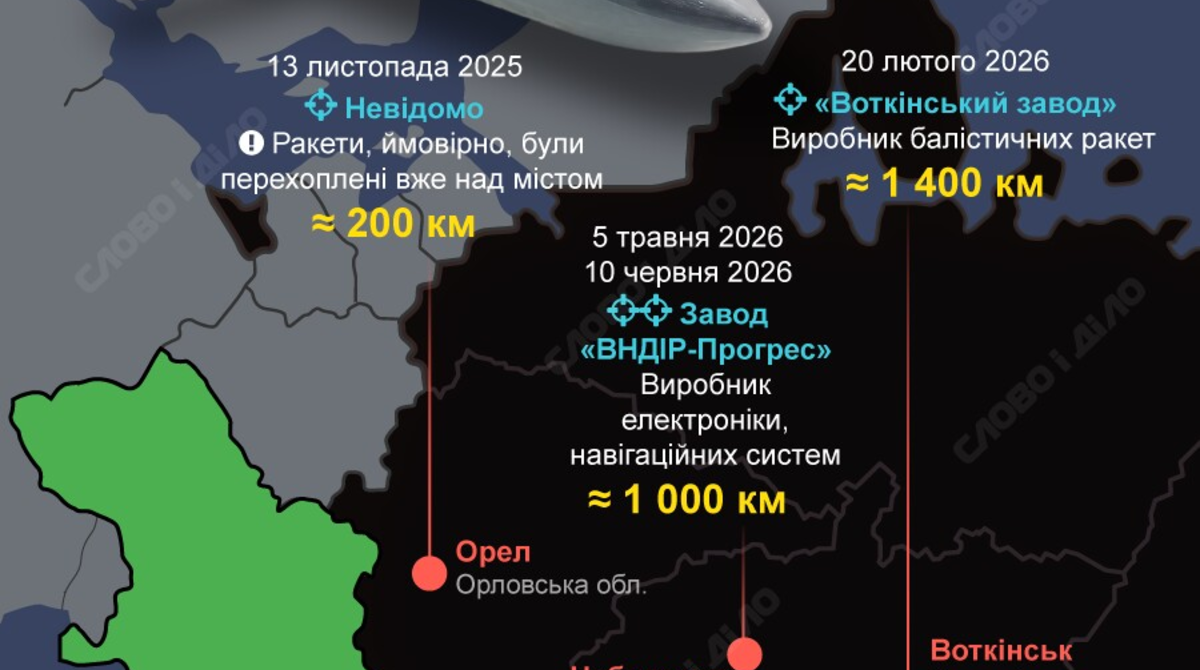
Why Ukraine’s Air Defense Is Struggling Against Russia’s New Jet-Powered Drones
yesterday, 21:24
369
Top Score from Consumer Reports: What the Asus Gaming Router Brings to the Table
yesterday, 17:48
409
Society




Showbiz




Osadcha and Horbunov’s Son Stunned by a Question About His Father’s On-Screen Kiss
yesterday, 22:48
384
Sports




Europe’s Smallest Airport: Just 3 Flights a Day and a $12 Million Price Tag
yesterday, 23:54
354
Virtual Reality Tour Set to Launch in the Verkhovyna Region
yesterday, 20:36
375
Odessa Reopens 35 of Its 48 Beaches Following Safety Incidents
yesterday, 18:00
380
Wizz Air Updates Check-In Rules: Key Details Travelers Need Before Departure
yesterday, 15:06
384