














Why OPEC+'s Modest Oil Production Hike Won't Prevent a Surge to $100 a Barrel.

Why OPEC+'s Modest Oil Production Hike Won't Prevent a Surge to $100 a Barrel

OPEC+ Agrees to a Modest Output Increase

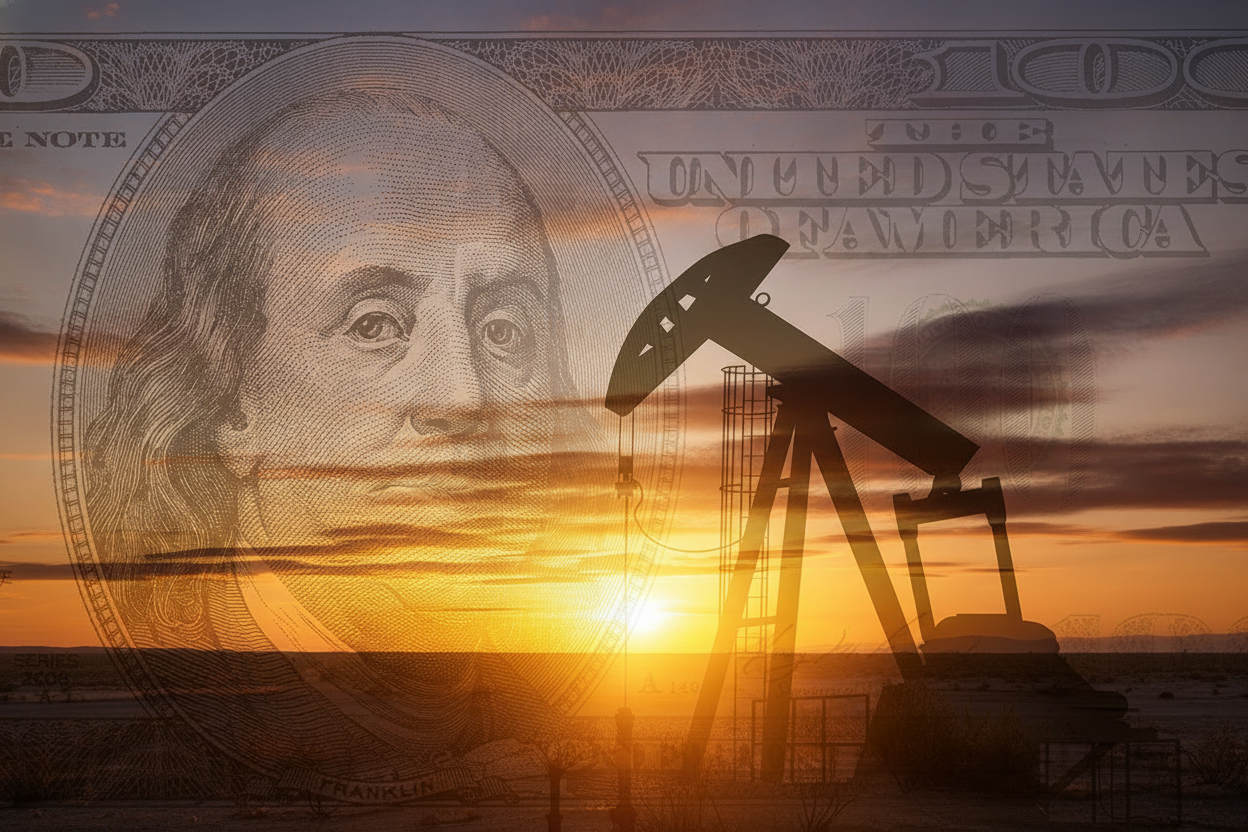
According to TSN.ua: On March 1, the OPEC+ alliance announced a decision to incrementally raise its collective oil output by 206,000 barrels per day starting in April. This move comes amid heightened concerns over potential supply disruptions from Iran, fueling fears that crude prices could still climb toward $100 per barrel. The decision reflects the group's cautious approach to managing a volatile global market.

The agreed-upon increase of 206,000 barrels per day represents less than 0.2% of the world's total oil supply. The decision was finalized during a meeting attended by eight key OPEC+ members:

  • Saudi Arabia
  • Russia
  • United Arab Emirates
  • Kazakhstan
  • Kuwait
  • Iraq
  • Algeria
  • Oman

Current Market Conditions

While the situation in the Strait of Hormuz—a vital maritime chokepoint for roughly 20% of globally traded oil—remains under control for now, market pressures are evident elsewhere. In Ukraine, wholesale prices for light oil products reached a historic peak at the end of February, signaling broader inflationary pressures within regional energy markets.

During their deliberations, OPEC+ members considered a range of potential production increases, from 137,000 to 548,000 barrels per day, before settling on the lower figure. This conservative hike is likely to influence future price volatility, given the ongoing market uncertainties and supply risks. The alliance's actions are closely watched by traders and governments worldwide for their impact on energy costs and economic stability.

The OPEC+ decision to raise oil output is a direct response to mounting risks linked to Iranian supplies and indicates a prudent strategy for navigating the complexities of the global oil and gas markets.

Although the production boost is relatively minor, it could still play a crucial role in maintaining price stability by addressing heightened demand and potential supply shortfalls. Given the record-high prices for oil products recently observed in Ukraine, this decision may also have significant repercussions for domestic energy markets in the region.


Read also

Advertising