








Advertising








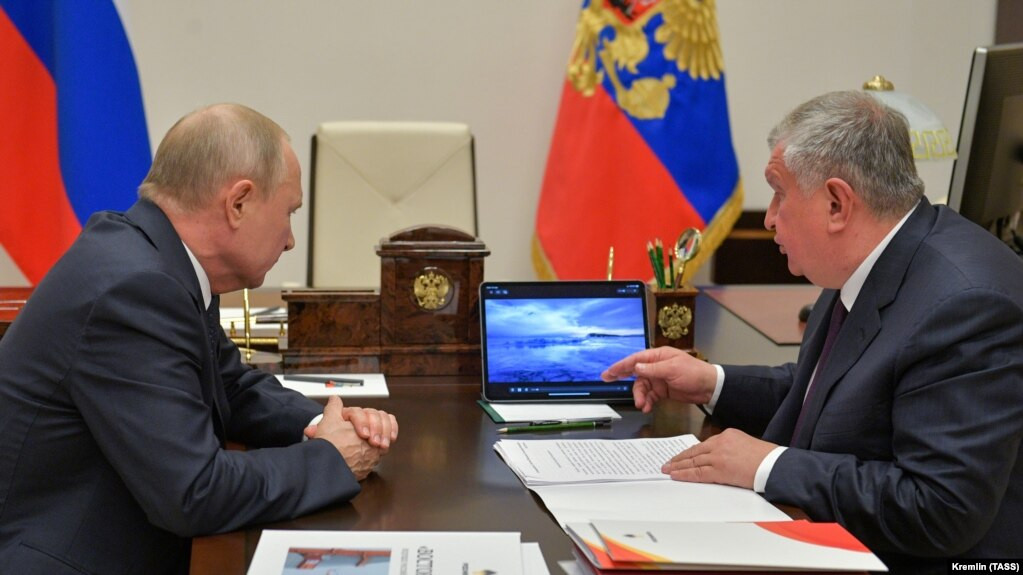
Russia’s Oil Exports Hit Record Highs, but Revenues Shrink as Urals Prices Plummet
Oil Exports and Financial Struggles Russia is shipping more crude oil than ever before, yet earnings from these sales are declining due to a sharp drop in the price of its flagship Urals grade. In early July, Urals crude was trading at $40–$41.5 per barrel—well below the $59 per barrel benchmark tha...
yesterday, 23:42
451


Strike on Russia’s Largest Oil Refinery Raises Fears of Fuel Shortages
yesterday, 20:54
616
Horoscope
LIFESTYLE

Tourism




A Simple Recipe for Tomato Fertilizer Made from Yeast and Banana Peels
yesterday, 07:18
472











Showbiz


Birthday Summit: Marichka Padalko and Friends Conquer Hoverla
today, 16:42
73

Movies about Aliens: Top Best Films about Encounters with Outsiders
today, 15:38
200

Sports



2026 World Cup Round of 16: Argentina vs. Egypt – Match Preview and Viewing Guide
yesterday, 22:01
488

Tourists Amazed: The KonMari Method Saves Luggage Space
today, 16:48
24


Malta Sets Record for Tourist Overload: Seven Visitors for Every Local Resident
yesterday, 19:36
457