Russia Attacked Poland to Instill Fear in NATO: The Kremlin's Goal in Europe.
14.09.2025
925

Journalist
Shostal Oleksandr
14.09.2025
925
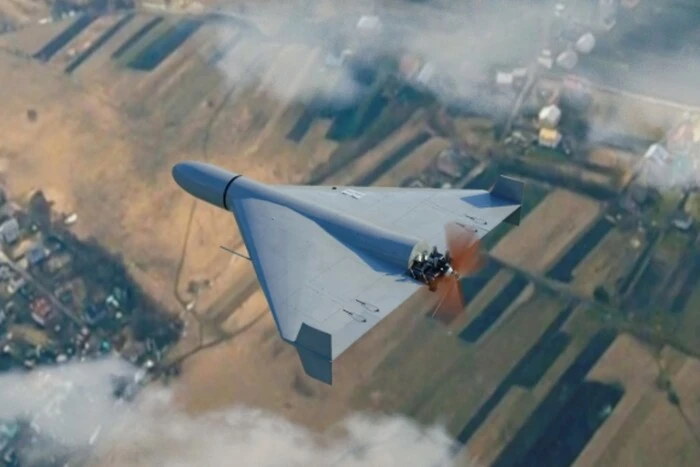
Retired British Army Colonel Richard Kemp expressed his opinion in a column for The Telegraph that the Russian drones that invaded Polish territory were not aimed at testing NATO's readiness but were part of Russia's strategy to suppress the Ukrainian conflict. The Kremlin did not expect a prolonged war but sought to destroy Western support for Ukraine through soldiers and diversions in Europe.
Kemp emphasizes that the Russians directed their attack on Poland to evoke fear among NATO member countries. This would compel them to shift defensive resources for their own security, thus depriving Ukraine of critical assistance. He advises Western leaders not to succumb to such provocations and to provide Ukraine with more air defense systems.
Analysis of the Threat of Russian Aggression
According to inkorr.com: Expert Kemp points out that Russian aggression in Europe aims to create fear among NATO member states and suppress the Ukrainian conflict. His recommendation is to strengthen air defense systems to support Ukraine's security and not to respond to provocations from the Kremlin.
This situation raises concerns not only in Poland but throughout the region, as Western countries continue to assess and respond appropriately to the growing threats. Supporting Ukraine remains one of the key elements of stability in Europe, and Kemp's efforts may push for more active measures from Western leaders.
Read also
- Three Ukrainians Without Documents Rescued from Occupied Territories Under Bring Kids Back UA Initiative
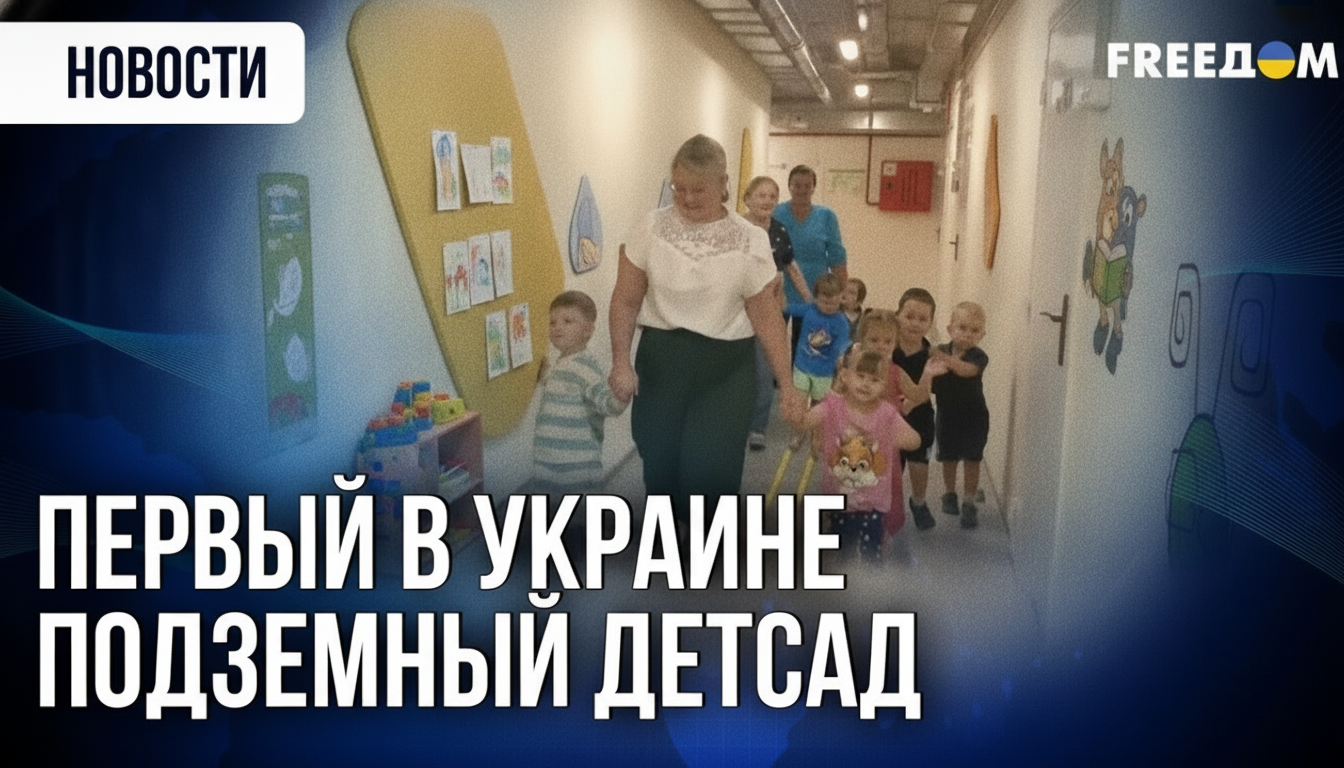
- Ukraine’s first underground kindergarten opens in Kharkiv, accommodating 260 children
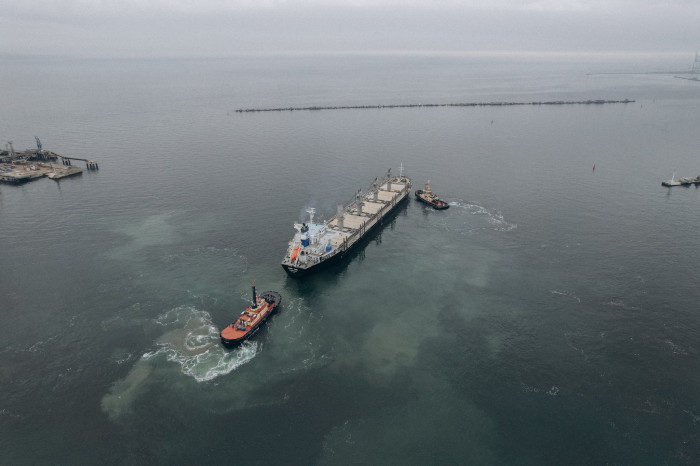
- Ukraine's ports crippled by Russian strikes: 28 vessels hit, 21 killed
- 24 Children Rescued from Occupied Territories by Save Ukraine, Including Injured 13-Year-Old Anhelina
- Woman Faces Up to 7.5 Years in Prison After Attacking Children for Speaking Ukrainian in Poland
- One of the Most Recognizable Voices on Ukrainian Radio, Journalist Oleksandr, Has Passed Away