Russia and China's Iran Talks: A Strategic Feint to Undermine the US, Not to Build a Nuclear Iran.

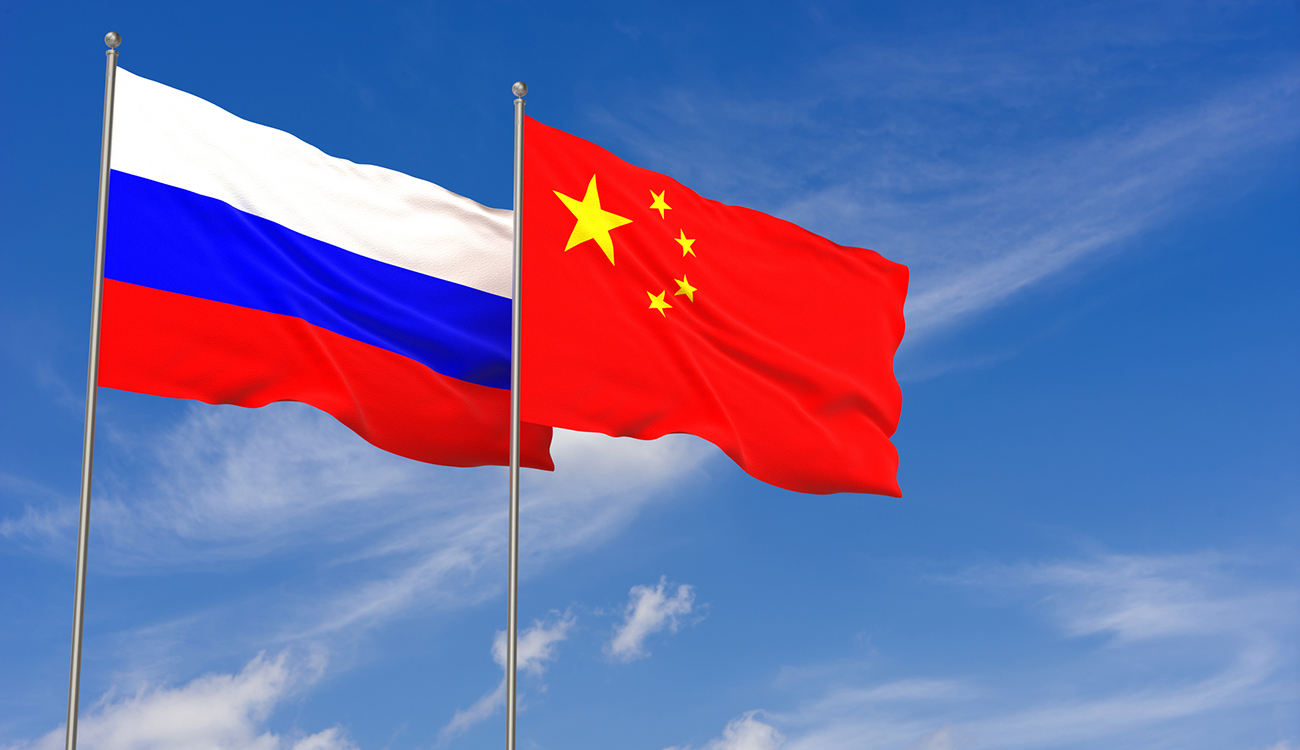
The Tripartite Talks: Russia, China, and Iran
According to UATV: According to expert Vyacheslav Likhachev, Russia and China are actively using negotiations with Iran over its nuclear program as a tool for informational pressure against the United States. While both nations publicly criticize U.S. actions, their true intention is not to support Iran's nuclear armament. This strategy is designed to discredit the United States on the global stage.
On February 8, 2023, Likhachev emphasized that recent talks between Russia, China, and Iran, as well as U.S. involvement in military events from June 2022, serve both Moscow and Beijing as a means to critique American policy. He noted that Beijing issued a particularly sharp statement at the time, asserting that U.S. actions threatened regional nuclear security. These maneuvers are a classic example of great-power politics, where diplomatic engagement serves multiple strategic purposes beyond the stated agenda.
"Russia broadly supports U.S. efforts aimed at preventing unpredictable regimes like Iran from acquiring nuclear weapons."
Vyacheslav Likhachev
Geopolitical Undercurrents of the Negotiations
Likhachev further noted that despite their rhetoric, neither Moscow nor Beijing is genuinely interested in seeing Iran become a nuclear power. Providing historical context, the expert recalled that nearly 20 years ago, Vladimir Putin and George W. Bush discussed the issue of Iran's nuclear program, indicating a long-standing, complex dynamic among major powers regarding Tehran.
Consequently, the negotiations between Russia, China, and Iran reflect not only their political strategy but also a comprehensive approach to international relations aimed at diminishing U.S. influence in the region. This situation highlights the intricate nature of geopolitical rivalries, where key players leverage existing conflicts to bolster their international standing. The talks on Iran's nuclear program thus become more than a security issue; they transform into an instrument for demonstrating power and influence within global politics, with potential serious implications for regional and worldwide stability.
Read also
- Kremlin Eyes Fresh Mobilization Drive: Up to 500,000 Troops Could Be Deployed to the Front
- Putin’s Economic Claims Exposed as Manipulation by Ukraine’s Disinformation Center
- Putin Abandons Plans to Return Occupied Lands to Ukraine: What We Know About the So-Called 'Buffer Zones'
- Russia Planning a New Fall Mobilization: When Recruits Could Reach the Front Lines
- Feigin Reveals Putin's Litmus Test: When Mobilization Plans Will Become Clear
- Putin Now Acknowledges Ukraine's Strength, Says Former Polish Defense Minister, Marking a Turning Point in the War