Experts Question Russia's Nuclear Threat: Are Its Missiles Actually Operational?.

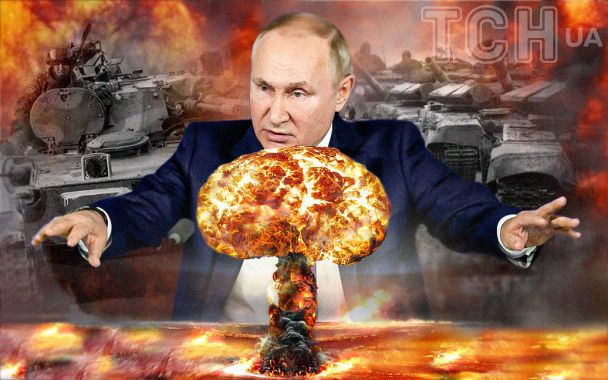
Russia's Nuclear Posturing
According to TSN.ua: Western analysts are casting doubt on the credibility of Russia's ongoing nuclear threats, pointing to severe internal issues within its military complex. According to retired British Army Colonel Glen Grant, systemic corruption, poor-quality fuel, and a lack of proper maintenance are causing the degradation of Russia's nuclear forces. He suggests that a majority of Russia's nuclear missiles may be inoperable, which calls the reality of Moscow's nuclear blackmail into question.
The State of Russia's Nuclear Arsenal
While the Russian Federation possesses over 6,000 nuclear warheads, many experts view this number as a tool for intimidation. Glen Grant emphasizes the gap between declared stockpiles and operational readiness:
'Everything the Kremlin says is a pure bluff. Certainly, out of this number of warheads, only a small portion could realistically be deployed.' Glen Grant
He further argues that, 'in my opinion, the Russians wouldn't even risk using them, because those missiles would explode right on the submarine.'
These assessments come amid heightened rhetoric from Moscow. Recently, Vladimir Putin emphasized the need to prepare for potential nuclear tests, and Russian Defense Minister Andrei Belousov presented a report on the advisability of beginning such preparations. These statements indicate Russia's continued effort to maintain international tension, despite the questionable prospects of its actual nuclear capabilities.
Consequently, despite the large declared inventory of warheads, Russia's real-world nuclear potential may be far lower than advertised. Analysts like Grant highlight serious technical and logistical problems that could prevent the effective deployment of its arsenal, underscoring the need for a measured response to threats emanating from Moscow. This situation is particularly relevant given the ongoing geopolitical tensions in Eastern Europe, where nuclear rhetoric is often used as a strategic tool.
The status of Russia's nuclear forces remains ambiguous and requires careful scrutiny by the international community. While a significant number of warheads exist, profound technical and organizational shortcomings likely diminish their operational effectiveness. This reality highlights the critical importance of sustained diplomatic dialogue and arms control efforts to reduce regional tensions and prevent conflict escalation.
Read also
- Fall of Putin's regime predicted by former CIA official: a timeline emerges
- Zelenskyy Sends Letters to the EU, US, and Putin: A Look at Goals and Outcomes
- EU Aims to Merge Ukraine’s Military into a European Defense Union, Says Kubilius
- Russian losses hit 1.3 million: General Malomuzh explains why Putin is seeking a way out of the deadlock
- Putin Faces a Tough Choice: Continue War or Preserve the Russian State, Says Ex-US Envoy Volker
- Putin Rejects Zelenskyy’s Call for a Face-to-Face Meeting