









Advertising



Advertising
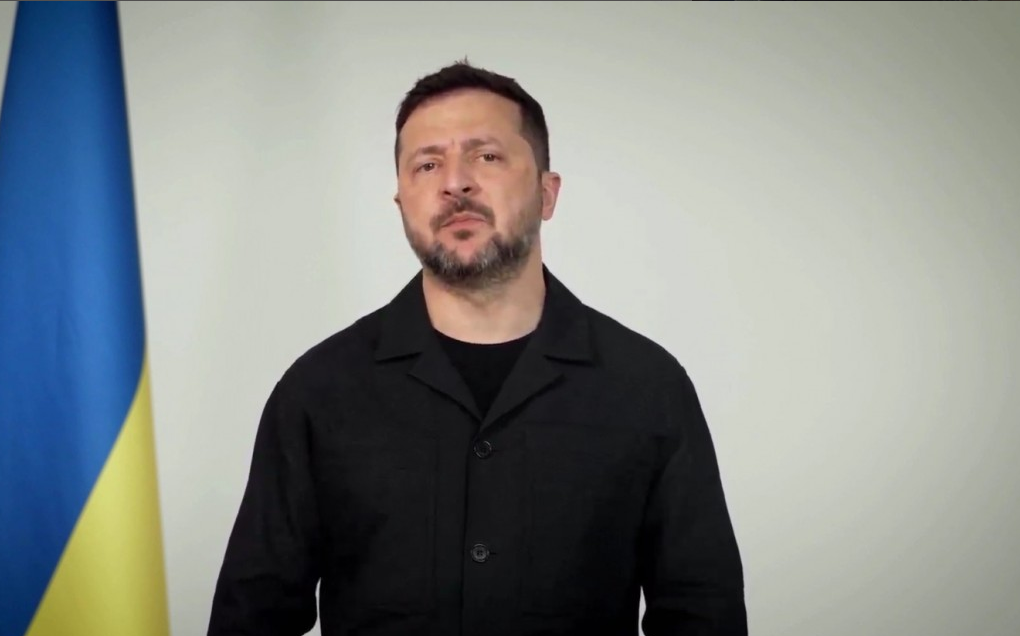

July 8 Trump-Zelensky Meeting Set for NATO Summit in Ankara
today, 12:12
158

Budanov on the Belarus Conflict and Crimea’s Return: Key Statements
today, 11:18
252

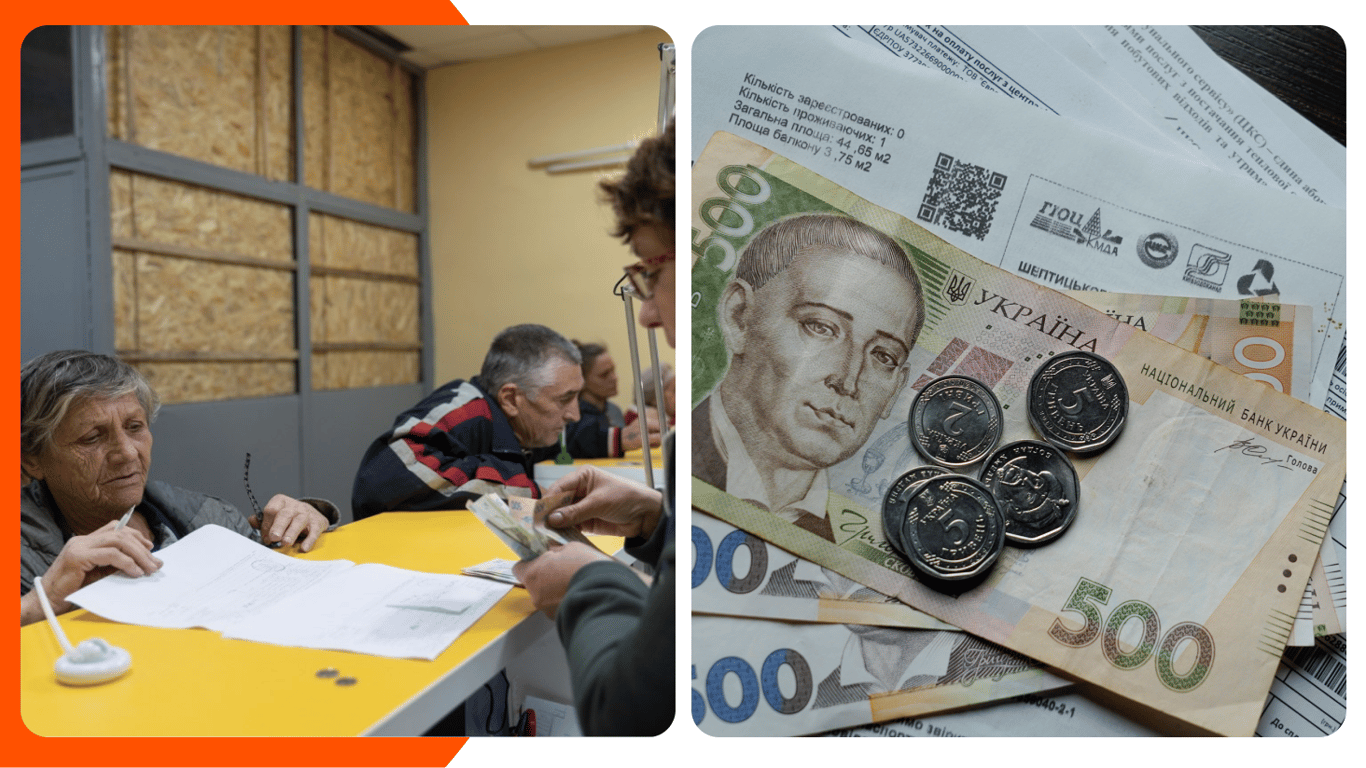
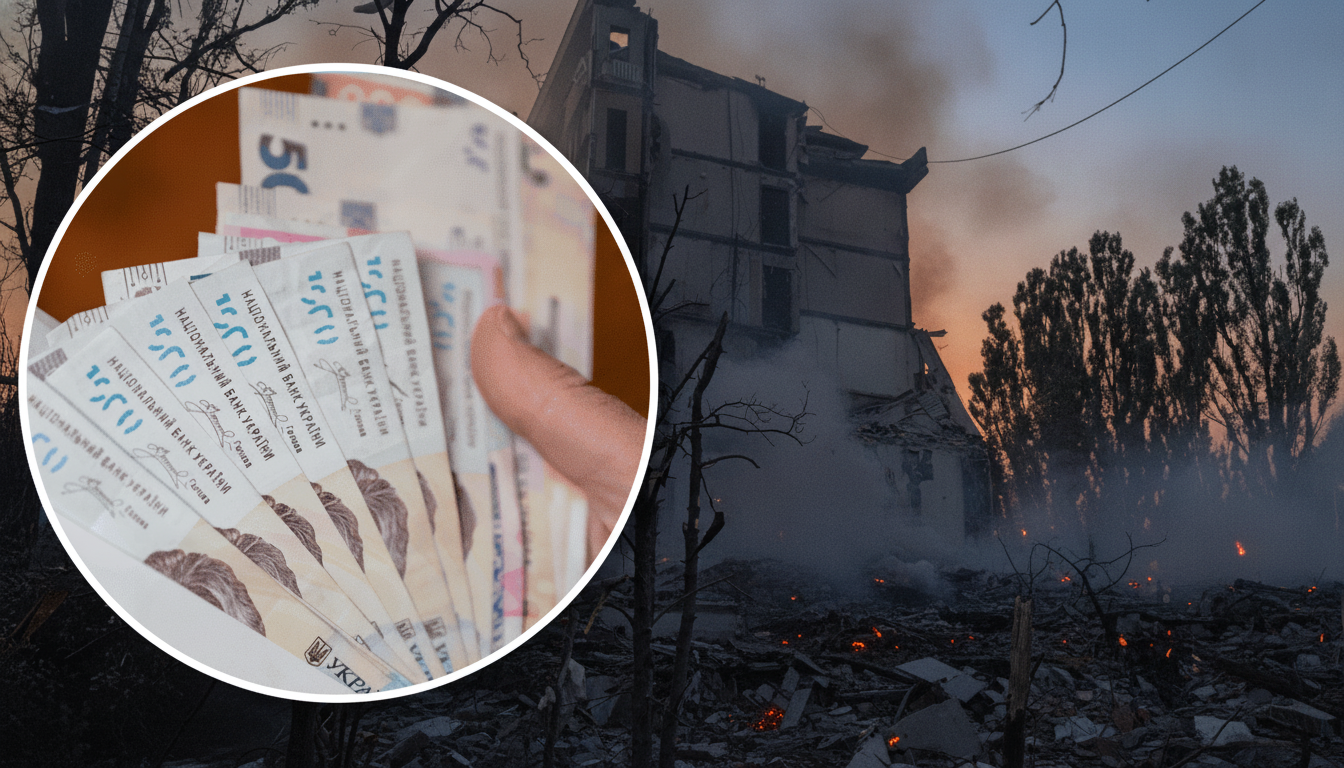
Up to 500,000 UAH in Compensation for Destroyed Homes: Inside Ukraine’s Housing Recovery Program
Compensation for Damaged Housing in Ukraine Ukrainians whose homes have been damaged or destroyed by enemy shelling can seek state compensation through the 'eRecovery' program. Launched by the Ukrainian government, this initiative outlines varying payment amounts for apartments and houses based on t...
today, 06:42
340

Fuel Crisis Grips Russia as 2026 Refinery Attacks Surge 11-Fold
today, 05:42
349

Horoscope
LIFESTYLE

Tourism







Best Haircuts for Thick Hair: Styles That Enhance Your Natural Beauty
yesterday, 16:30
380

Tech


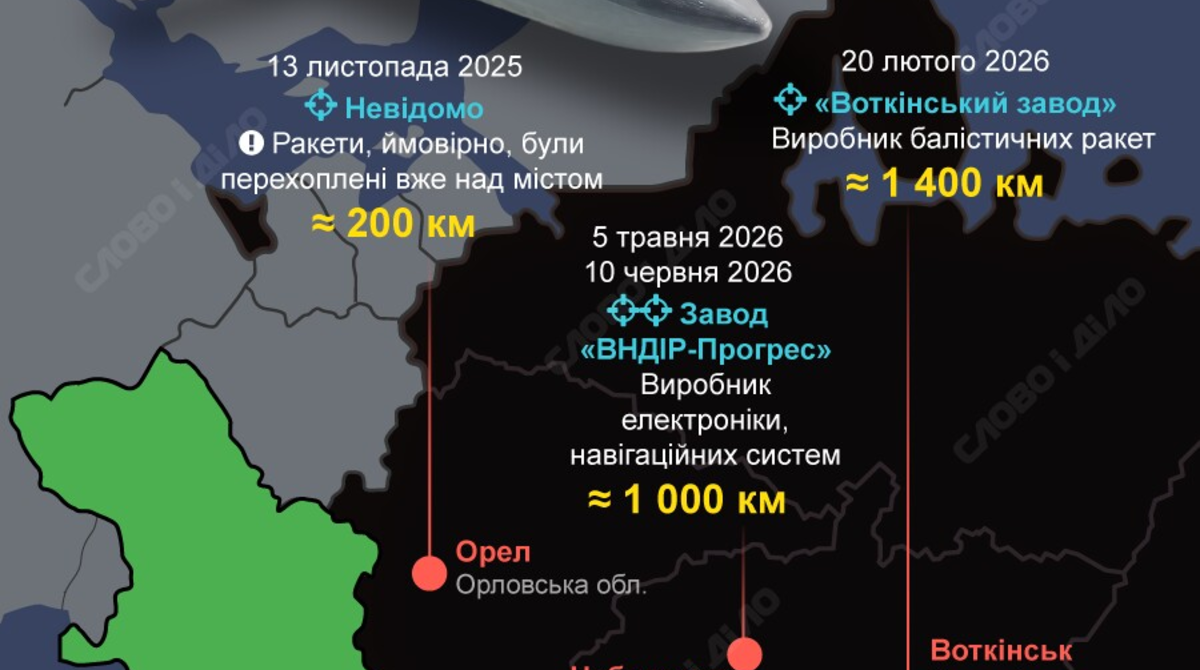
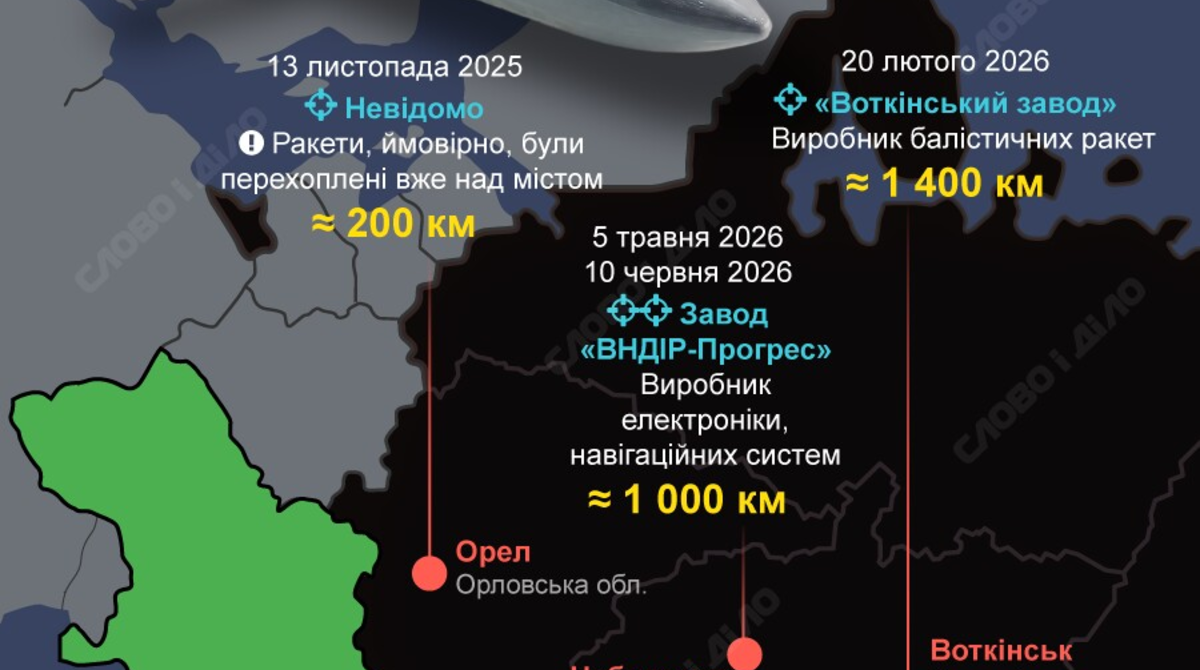
Why Ukraine’s Air Defense Is Struggling Against Russia’s New Jet-Powered Drones
yesterday, 21:24
379
Society



Showbiz




Sports





Europe’s Smallest Airport: Just 3 Flights a Day and a $12 Million Price Tag
yesterday, 23:54
374
Virtual Reality Tour Set to Launch in the Verkhovyna Region
yesterday, 20:36
391
Odessa Reopens 35 of Its 48 Beaches Following Safety Incidents
yesterday, 18:00
391