










The Experiment on the Weight of the Soul: What Dr. MacDougall Actually Discovered.

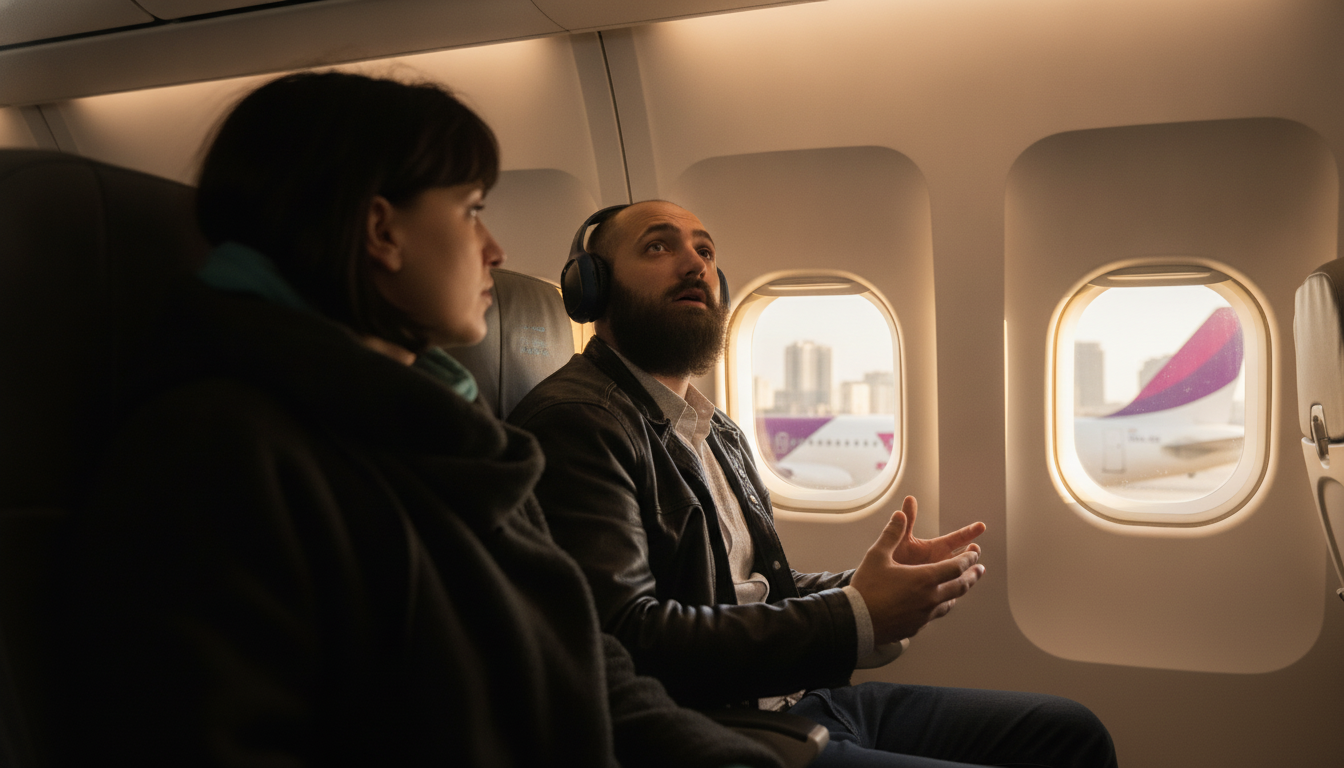
Doctor MacDougall's weight experiment setup

According to ТСН: The problem of the eternal soul is one of the key themes that holds an important place in many world religions and provides comfort during death. At the beginning of the last century, some researchers decided to go beyond purely theological beliefs and find scientific evidence of the existence of the soul through its physical characteristics. The most famous case of such an approach was the experiment by Dr. Duncan MacDougall. He suggested that if the soul is closely connected to the body and has a definite place, it should have a certain mass that can be recorded at the moment of death.

To test his theory, MacDougall constructed highly sensitive scales on which the beds of terminal tuberculosis patients were placed. He chose this disease because the patients died in a state of extreme exhaustion and immobility, allowing him to avoid fluctuations in weight. During the observation of the first patient on April 10, 1901, MacDougall recorded a sudden drop in body mass of 0.75 ounces (approximately 21.2 grams). This result gave rise to the popular myth that the soul weighs 21 grams, and this idea found its reflection in popular culture and cinema. However, in a scientific article from 1907, MacDougall presented much more controversial data: in the second patient, weight loss occurred only 15 minutes after breathing stopped, and in the third, there was a two-stage process of mass reduction.

Methodological Flaws of the Experiment

A critical analysis of MacDougall's work points to serious methodological problems. Out of six patients, results for three were rejected due to equipment failures or external factors. In addition, he conducted similar tests on 15 dogs, finding no changes in mass during their death, leading to a rather subjective conclusion about the absence of a soul in animals. Modern retests conducted in the early 2000s with sheep showed a brief weight increase at the moment of death, which quickly returned to normal levels, making MacDougall's data even less reliable from the perspective of modern biophysics.

Modern Scientific Hypotheses

Modern research attempts to relate the soul not to gravitational mass, but to the energy equivalent of information or consciousness. Using Einstein's formula E = mc2, scientists suggest that the energy of consciousness could theoretically have mass. However, measuring it requires high-precision electromagnetic devices, which are currently not widely available. To date, science has no direct evidence of the existence of the soul, and the results of Duncan MacDougall’s experiments are perceived more as an interesting story rather than a scientific fact. The question of the nature of the soul and its physical properties remains in the realm of faith and personal beliefs, as modern instruments are unable to weigh that which does not belong to the material world.

Previously, scientists showed a part of the body that is considered the 'seat of the soul'.

The MacDougall experiment sparked considerable debate in the scientific community and beyond. Despite numerous criticisms and inconsistencies, his research left a notable mark on popular culture and perceptions of the soul. Modern science continues to seek answers regarding the nature of consciousness but still maintains a distance from categorical claims about the existence of the soul.


Read also

Advertising