Nuclear Arms Control Lapses as New START Treaty Expires on February 5.

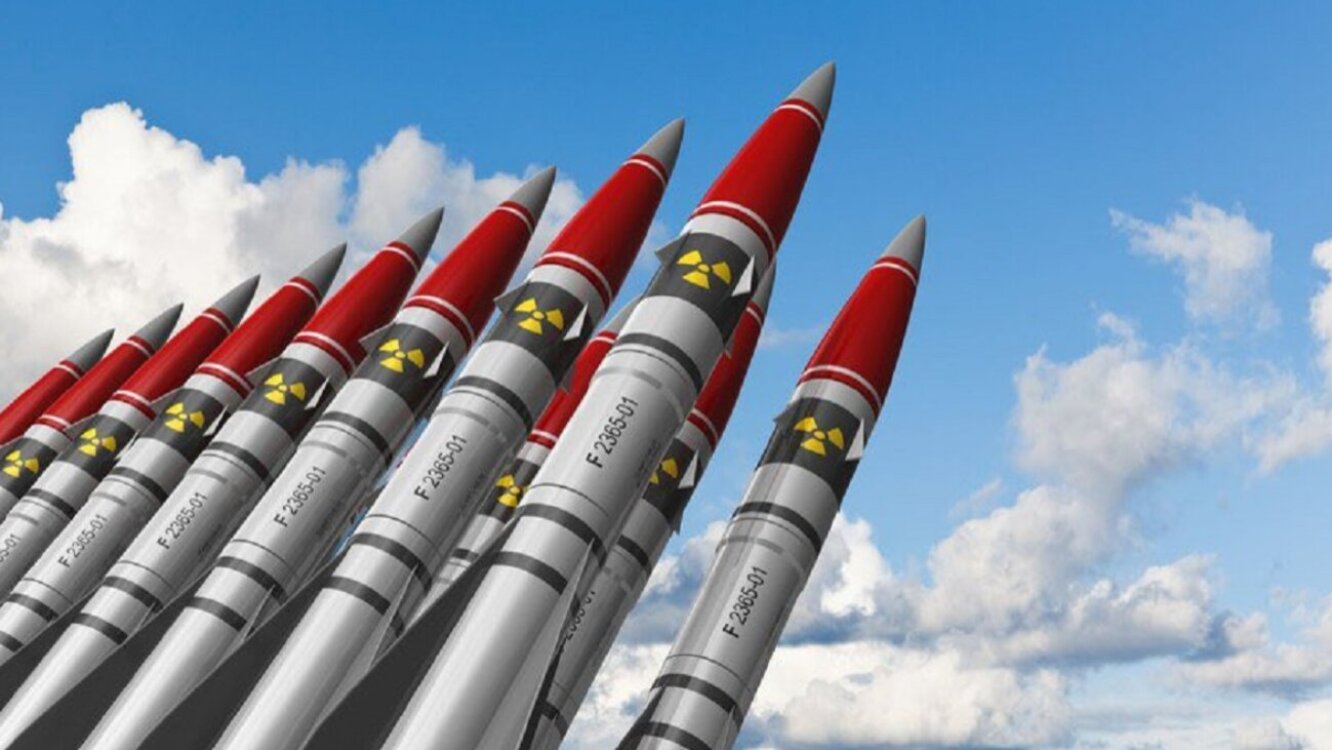
New START Treaty Reaches Its Expiration Date
According to UATV: The New Strategic Arms Reduction Treaty (New START) between the United States and Russia will expire on February 5, 2023. With no negotiations currently underway for a replacement agreement, the nuclear arsenals of both superpowers will soon operate without the bilateral verification and limits this pact provided. This development is a significant setback for global strategic stability, raising expert concerns that the loss of transparency could fuel a dangerous new arms race and increase the risk of miscalculation.
Originally signed in 2010 by then-Presidents Dmitry Medvedev and Barack Obama, the treaty was last extended in February 2021. New START caps the number of deployed strategic nuclear warheads at 1,550 for each country. However, on-site inspections of military facilities, a key mechanism for verifying compliance, were halted in 2020, which has already severely hampered the monitoring of the treaty's terms.
The Political Standoff Over the Treaty
The path to expiration has been marked by escalating accusations. On January 31, 2023, the United States formally accused Russia of violating the treaty's terms. In response, Russian President Vladimir Putin announced on February 21, 2023, that Russia was suspending its participation. Earlier, on January 26, 2023, former President Dmitry Medvedev suggested Moscow's readiness to informally agree to a one-year extension, but these statements did not lead to any concrete diplomatic progress.
Further heightening tensions, Medvedev's press service published an interview on February 2, 2023, in which he discussed the potential use of nuclear weapons. Experts warn that crafting a successor treaty to New START will be an immensely difficult task. As analyst Daria Dolzikova notes,
“Now, with the loss of the New START treaty and no negotiations on any replacement, we continue to lose the connection between the two sides on these important strategic issues.”
Simultaneously, other experts, like Jack Keane, emphasize fears that nations such as Russia and China could conduct covert nuclear warhead tests, creating additional alarm within the international community. In an environment where mutual oversight of nuclear stockpiles is vanishing, global security is becoming increasingly fragile.
The absence of a new treaty following New START's expiry is likely to increase tensions not only between the U.S. and Russia but worldwide. An escalation in nuclear threats could have severe consequences for international security, particularly against the backdrop of ongoing geopolitical conflicts. The situation urgently demands a revival of dialogue between the nations to avert potentially catastrophic outcomes.
Read also
- Kremlin Eyes Fresh Mobilization Drive: Up to 500,000 Troops Could Be Deployed to the Front
- Putin’s Economic Claims Exposed as Manipulation by Ukraine’s Disinformation Center
- Putin Abandons Plans to Return Occupied Lands to Ukraine: What We Know About the So-Called 'Buffer Zones'
- Russia Planning a New Fall Mobilization: When Recruits Could Reach the Front Lines
- Feigin Reveals Putin's Litmus Test: When Mobilization Plans Will Become Clear
- Putin Now Acknowledges Ukraine's Strength, Says Former Polish Defense Minister, Marking a Turning Point in the War