Why Iran Stands Little Chance in a Potential Conflict with a Prepared U.S.

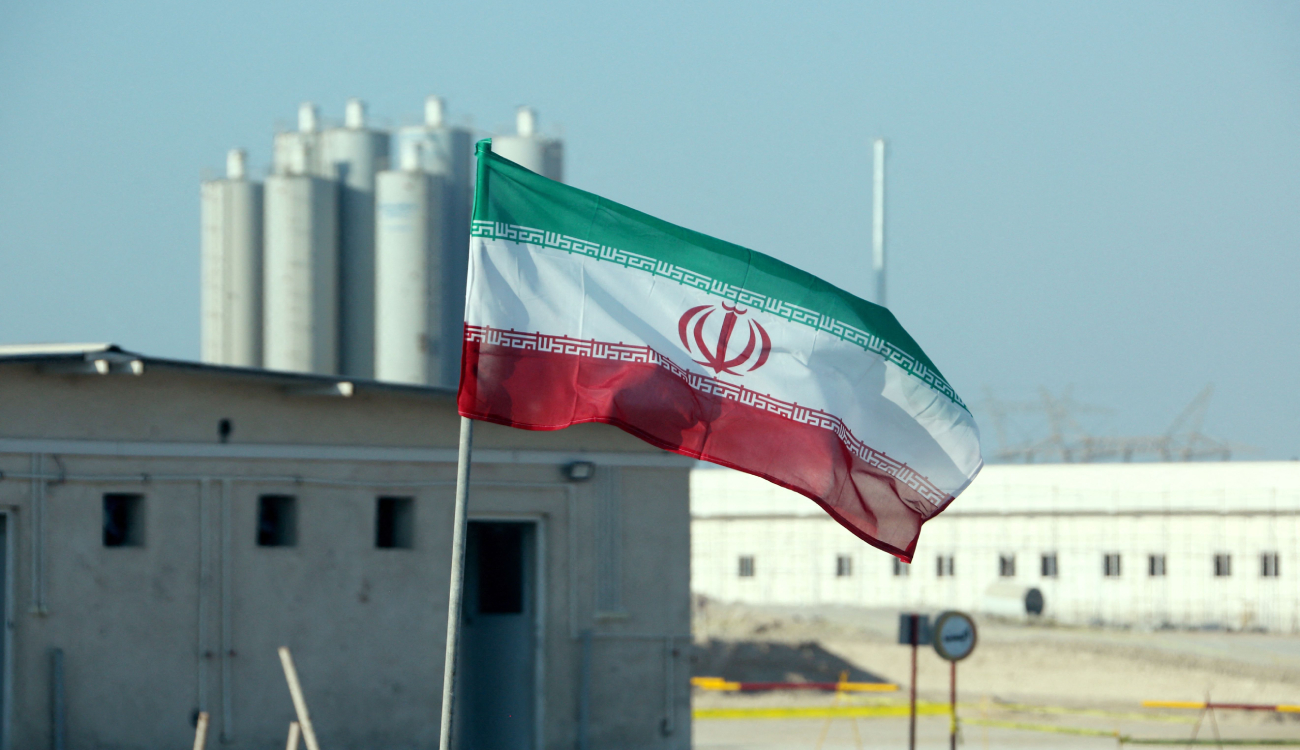
Military Analysis: Iran's Vulnerabilities in a U.S. Confrontation
According to UATV: Military expert Michael Borodkin has analyzed Iran's vulnerabilities in the event of a large-scale U.S. operation, concluding the country lacks sufficient conventional forces and cannot rely on allied support. He emphasized that Iran would find itself in a dire situation if American military actions escalate. Borodkin starkly noted,
"No forces will materialize from anywhere, and no one will come to Iran's aid."The U.S. maintains a significant and permanent military presence in the Middle East, a key factor in this strategic calculus.
While Iran's stockpile of ballistic missiles was larger as of June 12, 2025, its overall missile potential remains limited. During a recent twelve-day conflict, Iran launched roughly a thousand drones toward Israel, of which only one reached its target, highlighting the low effectiveness of its arsenal in actual conflicts. In stark contrast, a single U.S. carrier strike group fields about 100 combat aircraft, and its inventory of 'Tomahawk' cruise missiles can approach a thousand, capabilities that far surpass Iran's.
Regional Tensions and Diplomatic Maneuvers
Recent joint military exercises between Iran, Russia, and China were postponed to late February. Borodkin interprets this as an attempt to deter an American strike.
"The goal of these drills was absolutely obvious—to try to hold the Americans back from striking,"the expert stated. He further opined that
"The only thing they can really do is scare their Arab neighbors."
Amid this heightened tension, U.S. President Donald Trump issued a new ultimatum to Iran regarding its nuclear program, underscoring American military readiness.
"This fleet is prepared to swiftly and decisively carry out its mission should the use of force be necessary,"he declared. Meanwhile, Borodkin pointed to Saudi Arabia's complex position, noting,
"The Saudis find themselves in a very strange situation,"vacillating between saying an attack is unnecessary and suggesting it might be required.
Iran's military vulnerability, confirmed by its army's limited capabilities and lack of reliable allied support, casts serious doubt on Tehran's ability to withstand potential U.S. aggression. Current regional tensions remain acute, with U.S. actions signaling a readiness for active measures in response to threats. In this context, the stance of Saudi Arabia, as a key regional player, could significantly influence future developments, as its support or neutrality would be crucial for the evolving geopolitical landscape in the Middle East.
Read also
- Trump Approves Nuclear Deal with Saudi Arabia, Allowing Enrichment Without IAEA Oversight
- Pentagon Requests $67 Billion More as US War Costs Against Iran Hit $37.5 Billion
- Iran Faces Infrastructure Bombing Under New US Strategy Announced by Trump for Strait of Hormuz Attacks
- Ukraine’s Air Defense Gets a Boost: New Interceptor Missiles for Patriot Systems Discussed with NATO
- Putin Abandons Plans to Return Occupied Lands to Ukraine: What We Know About the So-Called 'Buffer Zones'
- Trump Endorses FIFA's Ban on Balogun and Backs New UN Secretary-General Pick