










Tehran Faces 48-Hour Ultimatum From Washington Over Oil Blockade: What’s at Stake.
Iran and the Regional Crisis
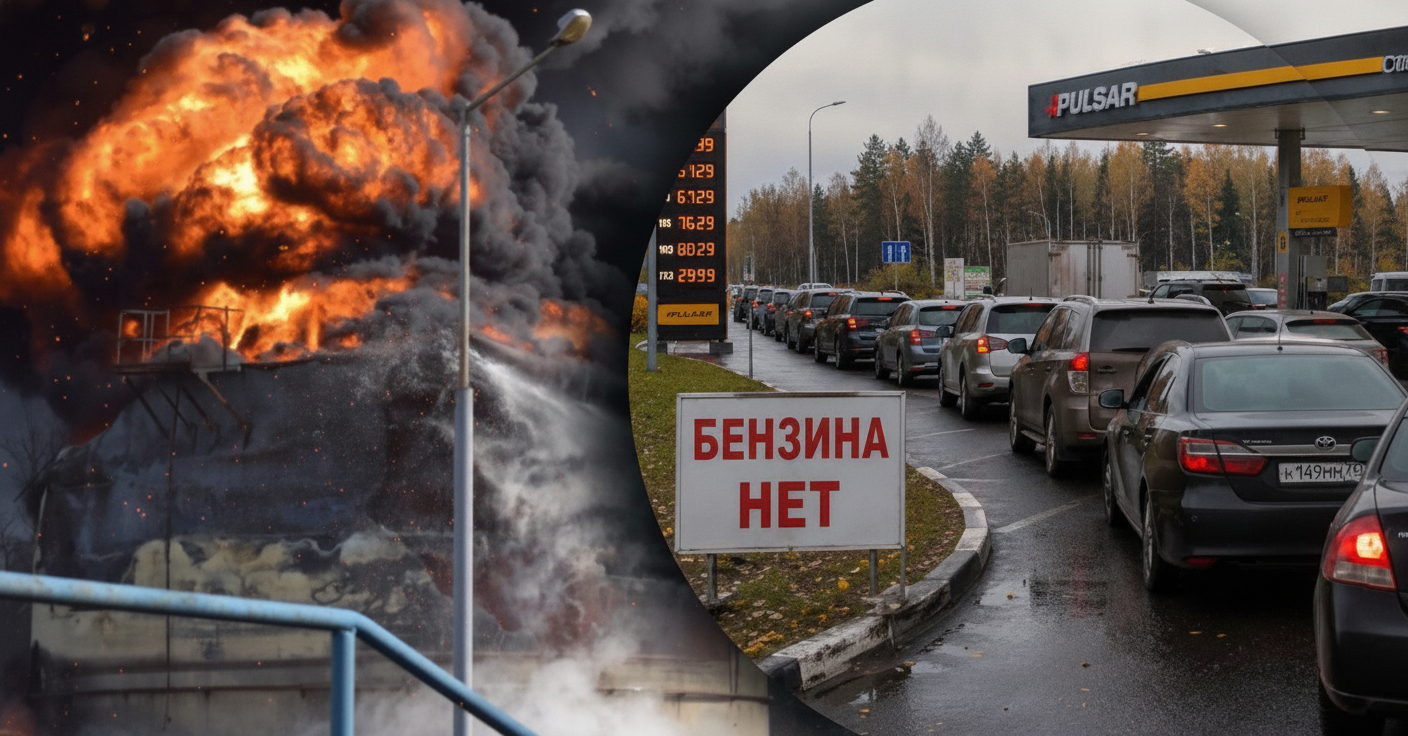
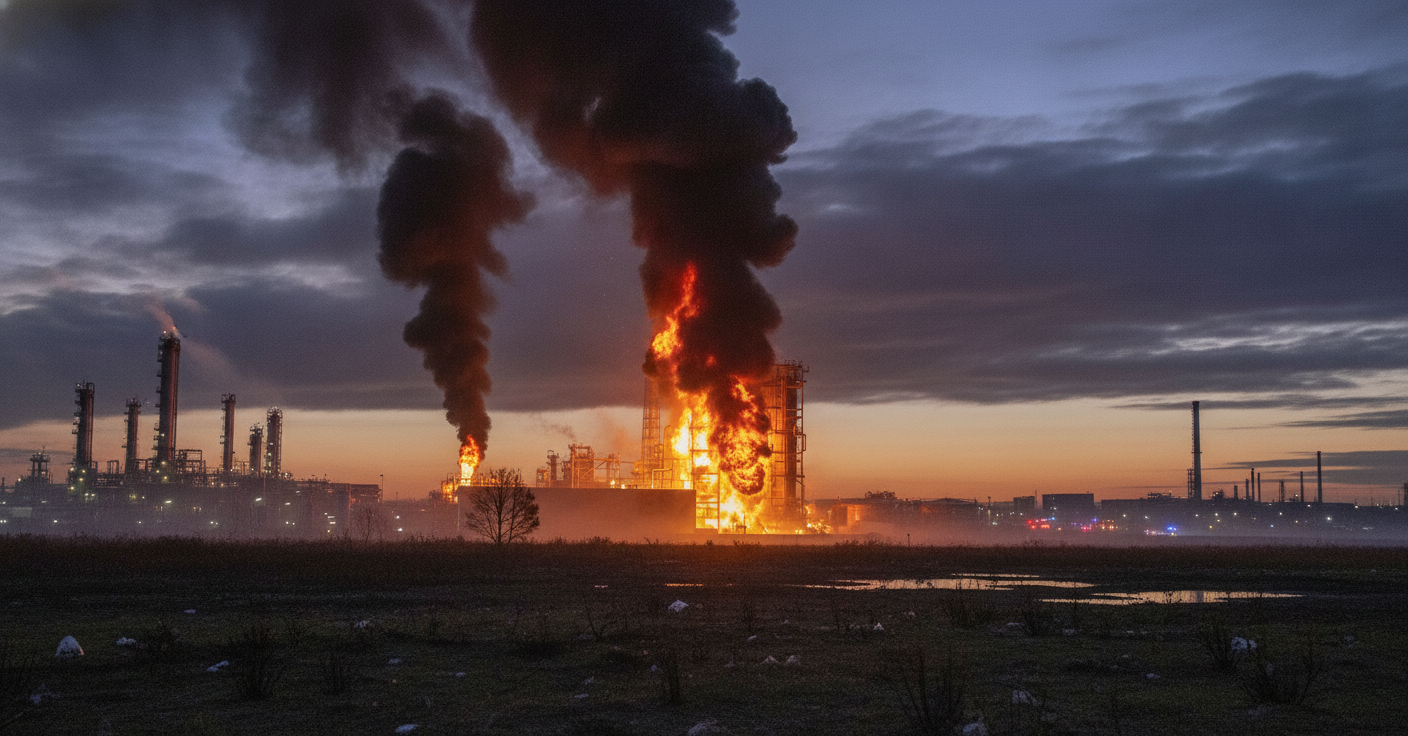
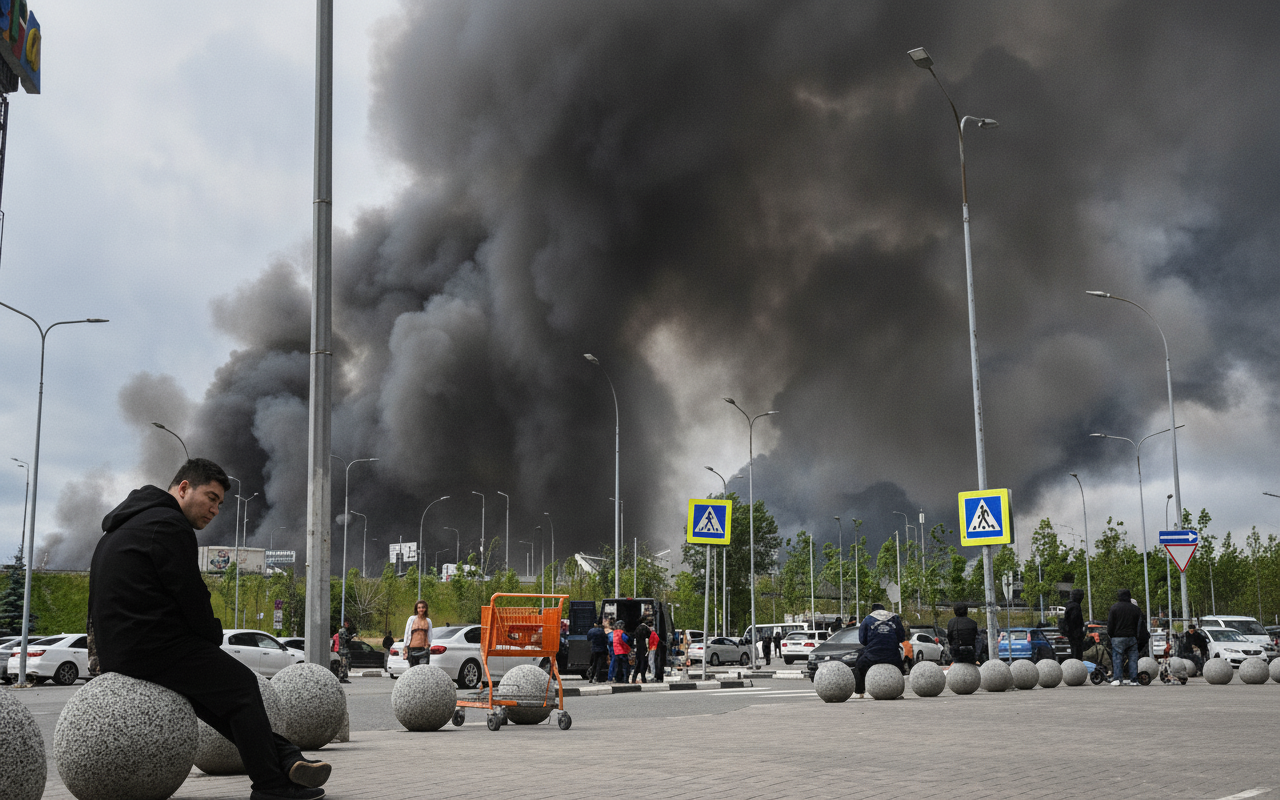
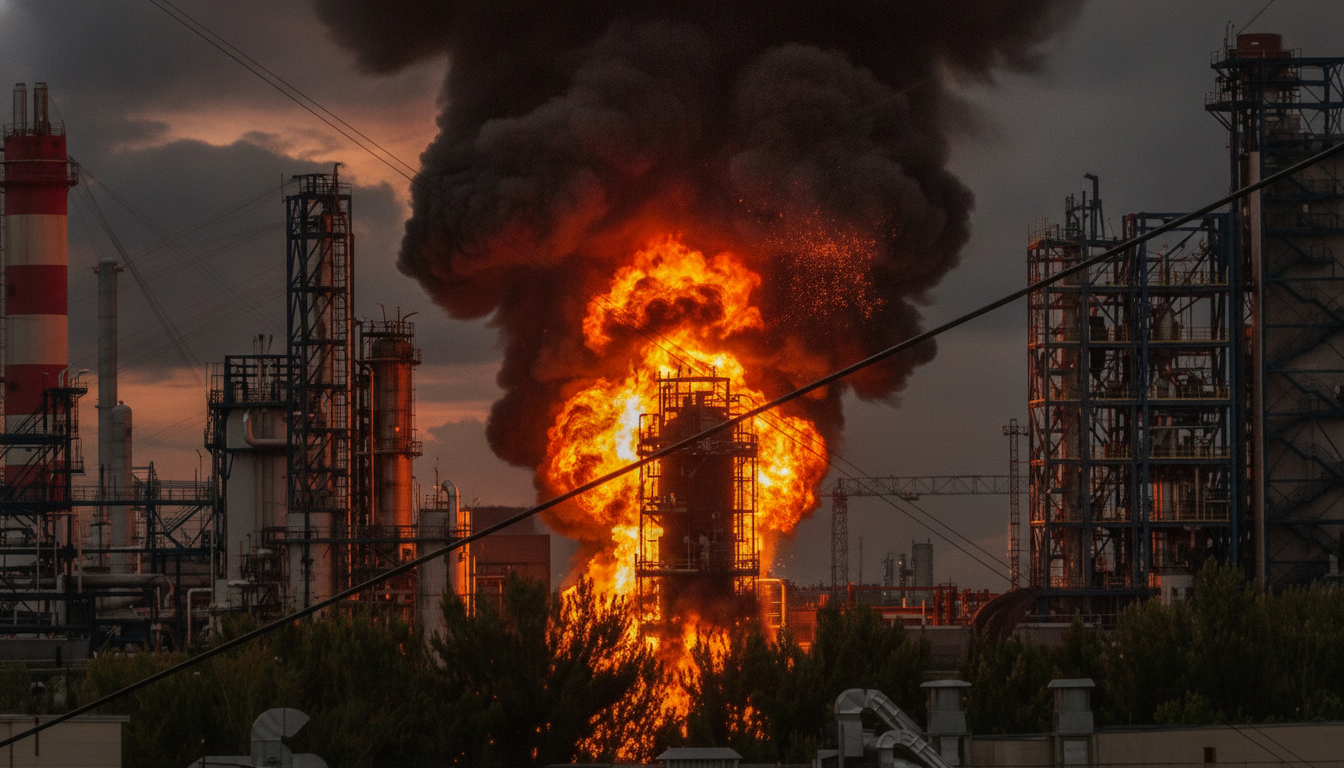
According to TSN.ua: Iran has turned away from diplomatic solutions, intensifying strikes on neighboring countries while maintaining control over the Strait of Hormuz—a chokepoint that handles roughly 20% of the world’s fuel shipments. In response to this escalation, the United States has issued a 48-hour ultimatum demanding the restoration of maritime traffic, warning it will ‘destroy’ Iran’s energy infrastructure if the blockade continues. This standoff has alarmed the international community, as the fallout could ripple across both the Middle East and global fuel markets.
Iran shows no willingness to negotiate, signaling its determination to press forward with military operations. According to Pentagon data, the U.S. and Israel have struck over 15,000 targets inside Iran, resulting in significant civilian casualties—more than 1,200 civilians killed, including over 160 children. These figures underscore the severity of the conflict and the looming humanitarian toll.
International Peace Efforts and Iran’s Response
Last week, Qatar and Oman proposed a ceasefire, but an Iranian diplomat stated that ‘Iran will not agree to a premature ceasefire.’ This indicates Tehran’s commitment to sustained military action despite global pressure. Meanwhile, other Iranian officials, such as Mohammad Bagher Ghalibaf, have declared:
“The new year will be the year of a powerful strike against Iran’s enemies.” - Mohammad Bagher Ghalibaf
Tensions across the region remain high, and international observers are closely monitoring developments, as the conflict could have severe repercussions not only for Iran but also for the global economy.
All of this points to a sharp increase in military tensions that could further destabilize the Middle East. Iran’s actions—particularly its grip on the Strait of Hormuz—pose a threat not just to neighboring states but to worldwide energy supplies. Should the confrontation escalate further, the global community may face new challenges in maintaining stability in international markets. Diplomatic efforts to resolve the crisis peacefully could encounter serious obstacles if Iran continues to reject negotiations.
Read also
- Massive Fire Erupts as Drones Strike Fuel Depot in Kuban and Naval Base in Kronstadt
- Drone Strikes Hit Oil Depots and Refineries in Russia’s Krasnodar Region and Tyumen
- Fuel Collapse and Logistics Breakdown: Russia Losing Grip on Occupied Territories
- Daily Russian Army Losses: 1,380 Troops and 96 Airstrikes – Ukraine's General Staff Report
- Ukrainian Forces Eliminate 1,380 Invaders and Set a New Daily Record with 2,046 Drones Destroyed
- Expert Reveals Production Dates for Russian Missiles: What It Signals About Moscow’s Stockpiles