








Hungary Seizes Ukrainian Bank Cashiers, Prompting Kyiv's Accusation of State Terrorism.

Hungary Seizes Ukrainian Bank Cashiers, Prompting Kyiv's Accusation of State Terrorism

Latest Developments in the Abduction of Ukrainians in Hungary

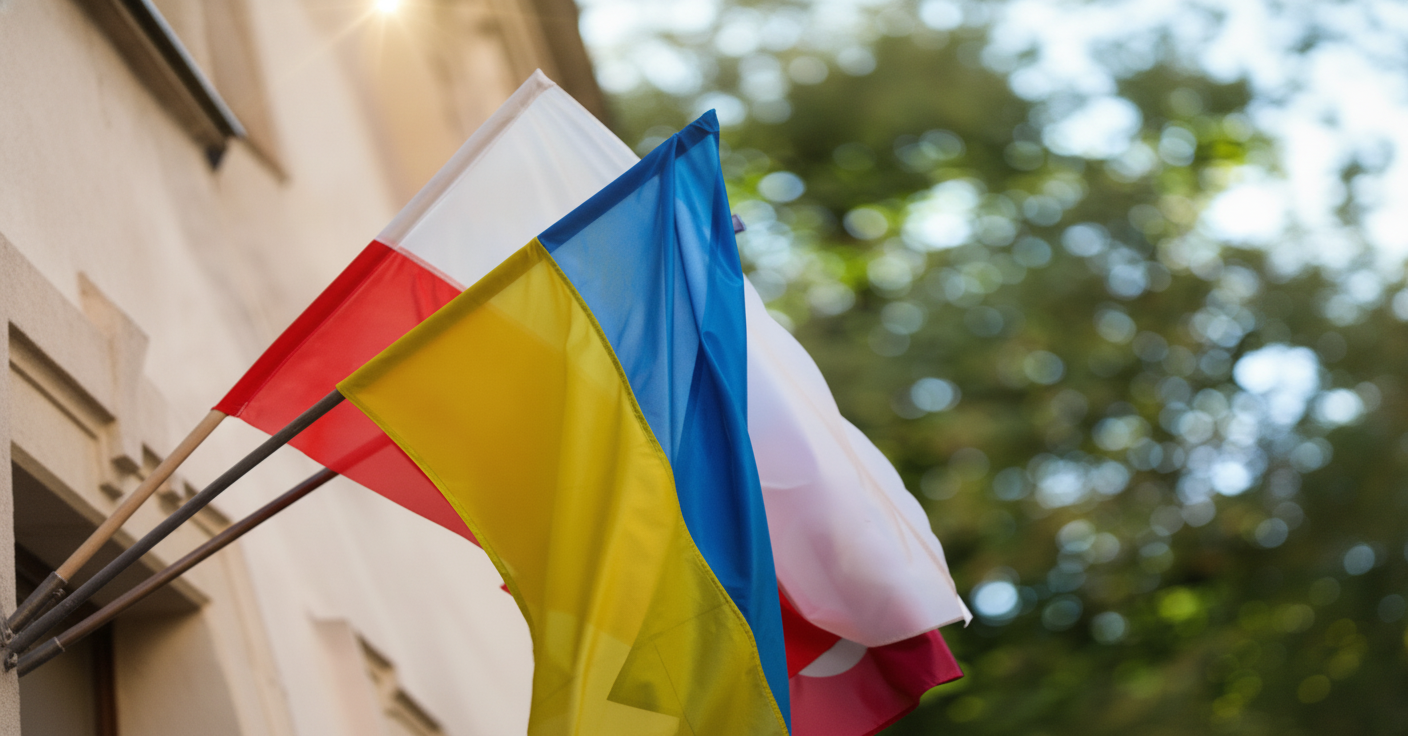
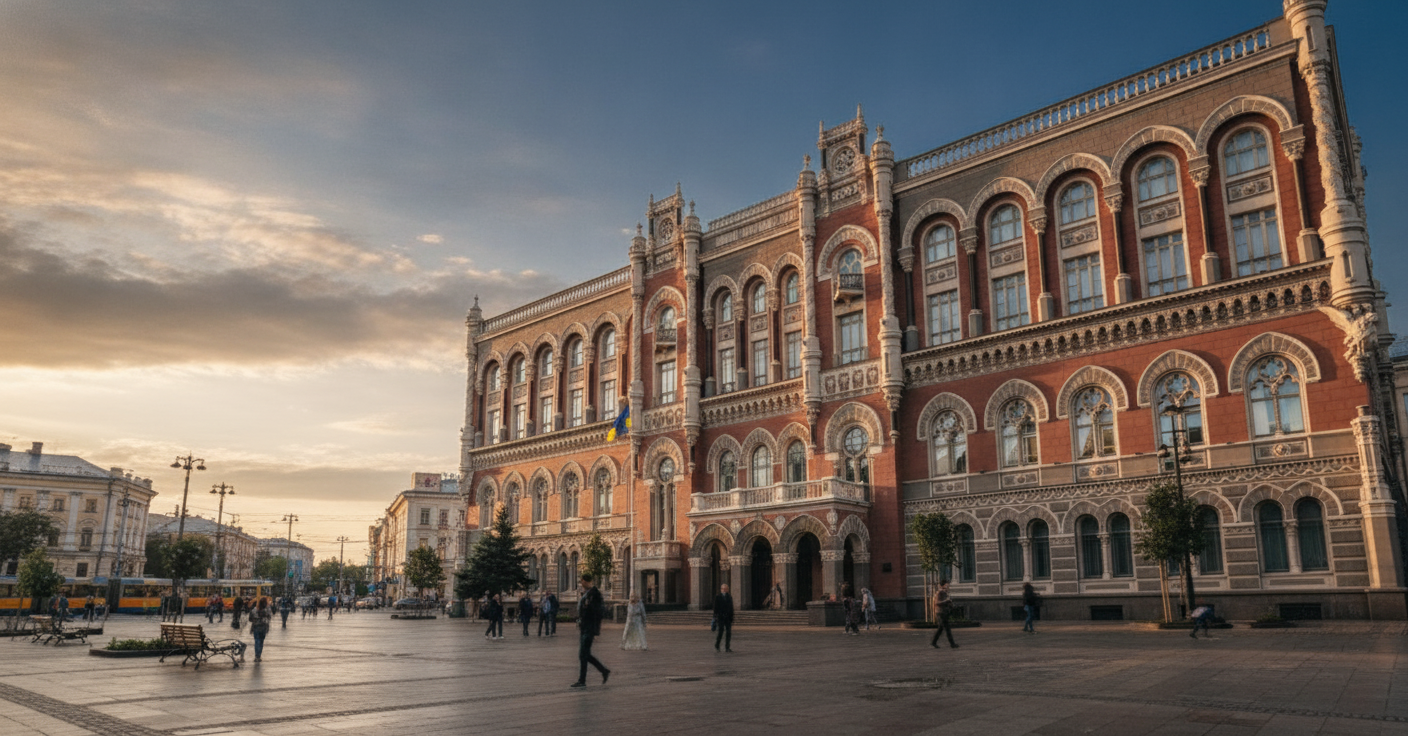
According to TSN.ua: Tensions between Hungary and Ukraine escalated sharply following the Hungarian government's detention of cash-in-transit personnel from Ukraine's Oschadbank. The incident occurred on March 6th, when Hungarian law enforcement officers apprehended the cashiers who were transporting substantial assets: $40 million, €35 million, and 9 kilograms of gold. This action by the government of Prime Minister Viktor Orbán has drawn a fierce response from Kyiv. Ukrainian Foreign Minister Andrii Sybiha has condemned the move as an act of state terrorism.

The seven Oschadbank employees involved in the incident have returned to Ukraine in a state of severe emotional distress. One required immediate medical attention at the border due to the exacerbation of a chronic health condition. These events have intensified the existing strain between the two nations, a situation already analyzed by political expert Volodymyr Fesenko.

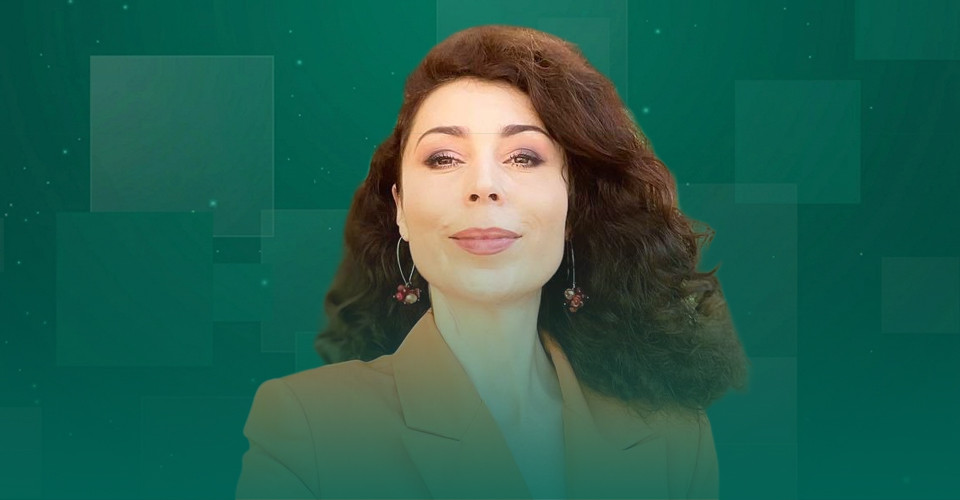
'The actions of Viktor Orbán's government appear to be a deliberate declaration of political war.' Volodymyr Fesenko

Fesenko added that while Ukraine's sharp reaction was understandable, it was strategically disadvantageous. He stated that the open emotional exchange and mutual accusations from Ukrainian leadership were a misstep, as such a response ultimately plays into Orbán's hands. This dispute occurs against a backdrop of Hungary's frequent criticism of Western support for Ukraine.

The Complex State of Ukraine-Hungary Relations

The seizure underscores the profound complexity in Ukraine-Hungary relations, which now demands careful analysis and a measured approach from Ukrainian diplomacy.

This episode marks a significant juncture in Ukrainian-Hungarian relations, which have experienced considerable friction in recent years. Given that both nations share interests within the context of European integration and regional security, it is crucial to keep diplomatic channels open to prevent further escalation. A clear understanding of the political and economic realities, coupled with a commitment to constructive dialogue, is essential for reducing tensions and improving bilateral ties.


Read also

Advertising