







Hungarian Foreign Minister Condemns Ukrainian Tennis Player's Snub at WTA Event.

Ukrainian tennis player shakes Hungarian minister's hand

Controversy Erupts at WTA 250 Tournament in Cluj-Napoca

According to TSN.ua: A handshake refusal at the WTA 250 tournament in Cluj-Napoca has sparked a diplomatic row. Ukrainian tennis player Oleksandra Oliynykova declined to shake hands with her Hungarian opponent, Anna Bondar, following their match. Oliynykova's refusal was a direct protest against Bondar's decision to participate in a tournament in Russia in December 2022, months after Russia's full-scale invasion of Ukraine.

Oleksandra Oliynykova explained her stance with a stark historical comparison:

“To travel to a tournament in Russia in December 2022 and accept payment from Gazprom funds is, from a moral point of view, the same as going to play a tournament in Nazi Germany in 1941 and receiving a reward in the form of jewelry from Jews destroyed in the Auschwitz and Treblinka death camps.”
Her comments have resonated widely, highlighting the profound ethical divisions the war has created in international sports.

Hungarian Officials Issue Sharp Rebuke

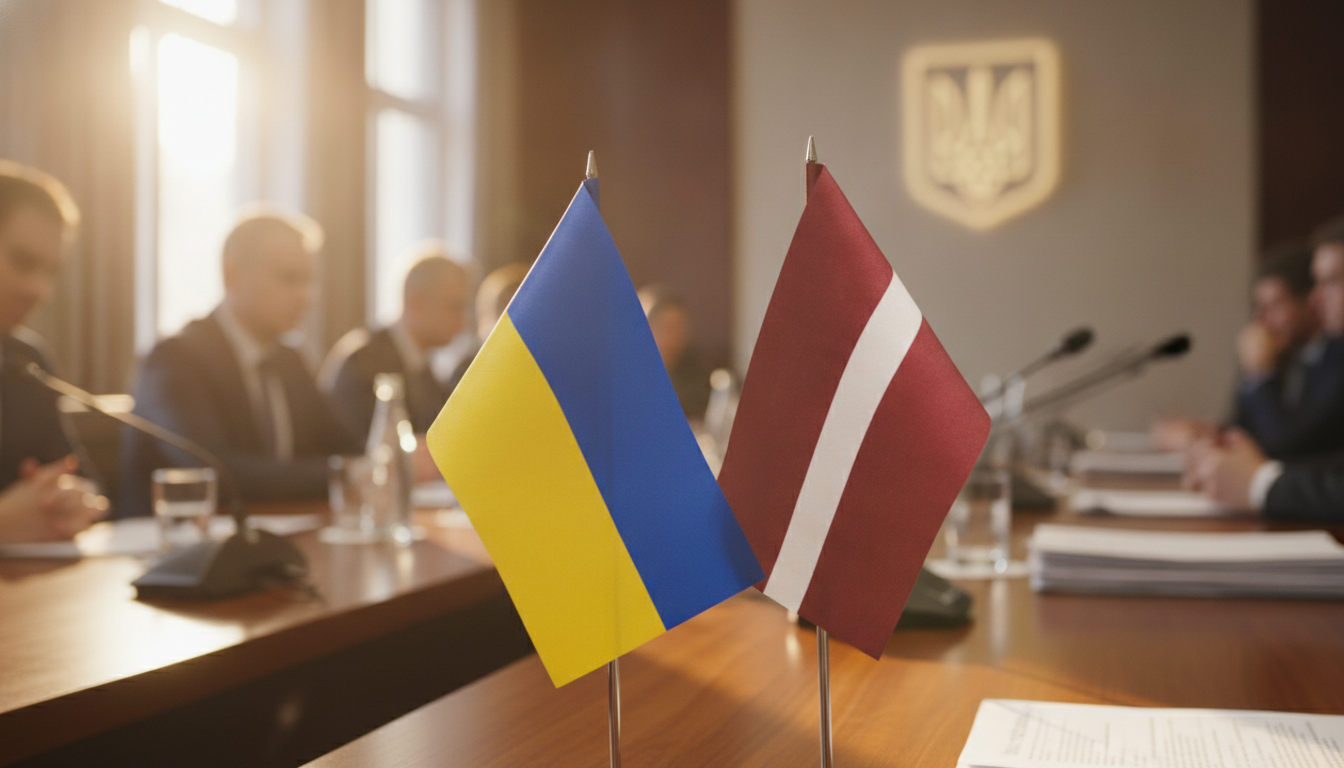
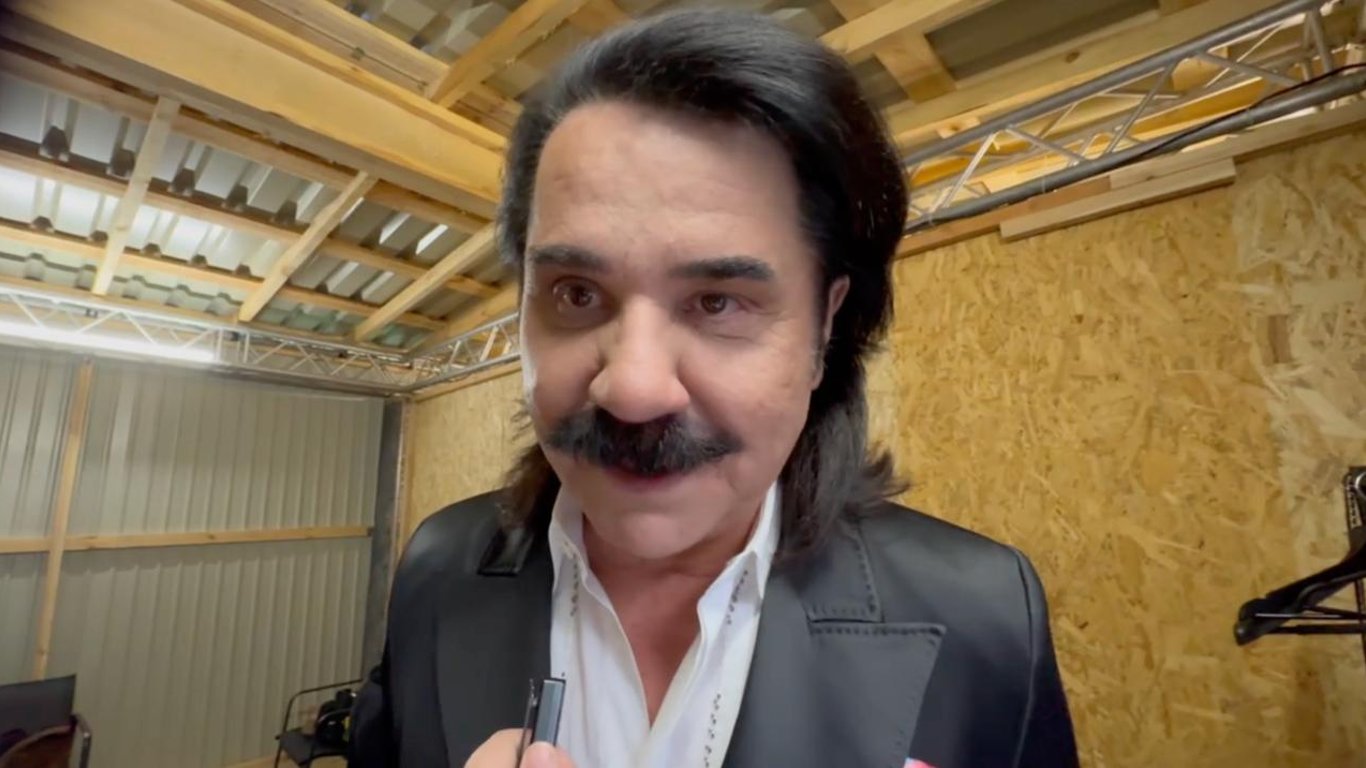
Hungarian Foreign Minister Péter Szijjártó labeled Oliynykova's statements 'outrageous and scandalous'. He further suggested that 'the attempt to discredit Anna Bondar and the reference to Nazi parallels rather characterize the Ukrainian 'athlete' herself.' In response, Ukraine's Ministry of Foreign Affairs summoned Hungarian Ambassador Antal Heizer for discussions. This incident underscores how sports can become a flashpoint for broader geopolitical tensions, especially concerning relations with Russia.

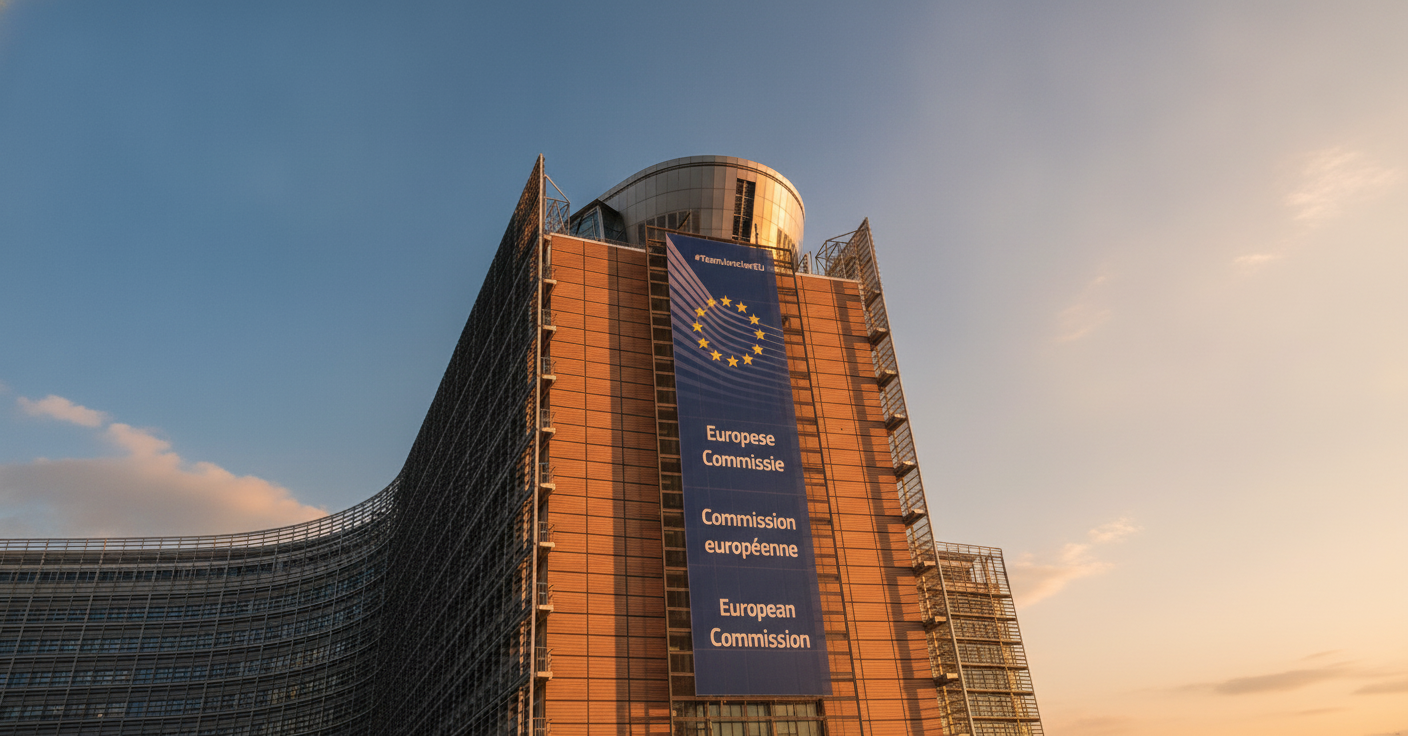
The diplomatic friction occurs against a complex political backdrop. It comes shortly after Hungarian Prime Minister Viktor Orbán stated his aim for Ukraine to join the European Union by 2027, illustrating the strained yet interdependent nature of bilateral relations.

This episode accentuates the ongoing tension between Ukraine and Hungary, which has persisted throughout Russia's war. Oliynykova's protest and the sharp Hungarian reaction demonstrate the extreme sensitivity surrounding any form of engagement with Russia. Such incidents risk impacting sports diplomacy and interstate relations, requiring careful handling to prevent further escalation.


Read also

Advertising