








Ukrainian Skeleton Athlete Barred from 2026 Olympics Over Memorial Helmet.

Ukrainian Skeleton Athlete Barred from 2026 Olympics Over Memorial Helmet

Vladyslav Heraskevych Disqualified

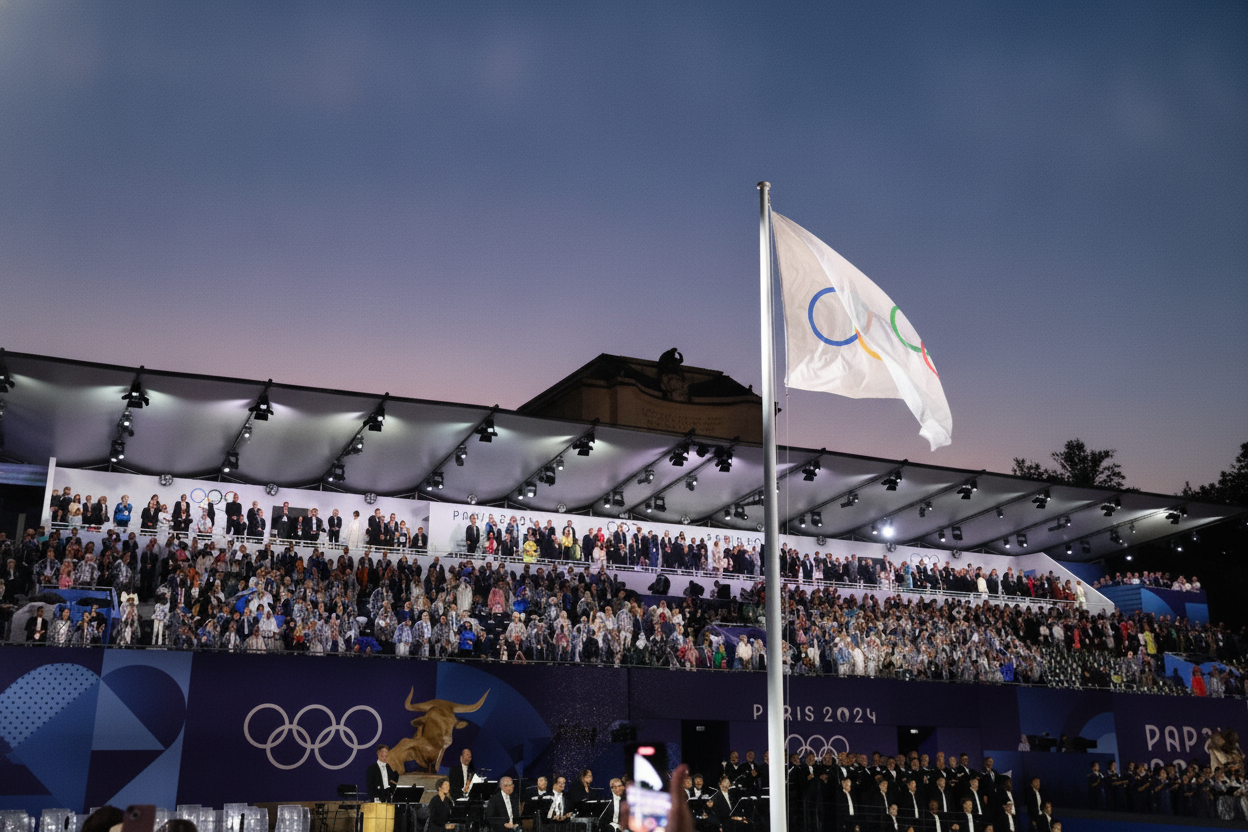
According to TSN.ua: Ukrainian skeleton racer Vladyslav Heraskevych was disqualified from the 2026 Winter Olympics just before his first run. The disqualification stemmed from his refusal to compete without a 'memorial helmet' bearing images of deceased Ukrainian athletes. This action violates International Olympic Committee (IOC) rules, which prohibit equipment featuring symbolic imagery. The IOC's strict neutrality policies often clash with athletes' personal expressions, especially in times of conflict.

Heraskevych is the first Ukrainian skeleton athlete to receive an Olympic disqualification. The case sparked widespread public debate. In response, Ukrainian President Volodymyr Zelenskyy awarded the athlete the Order of Liberty for his courageous stand.

Public and Celebrity Reaction

Prominent figures from Ukrainian show business also voiced their opinions on the situation:

  • Nadia Dorofeeva: ''Our hero!''
  • Masha Efrosinina: ''Shame on you, IOC''
  • Tina Karol: ''You are an example. We are proud and grateful''
  • Jamala noted: ''I understand completely. It's such a pity. It is always so frightening to raise your voice. Thank you for your bravery.''
  • Yuliia Bakumenko emphasized that although Heraskevych did not compete, he still 'won' by demonstrating a dignified act.
  • Slava Demin stated: ''Dignity is stronger than a medal.''
  • Anatolii Anatolych, in turn, thanked the IOC for their 'unworthy act,' referencing the disqualification of the Ukrainian athlete.

This event has become a significant moment in Ukrainian sports history, highlighting not only the athletic but also the socio-political dimension of Ukrainian athletes' participation in international competitions. The disqualification of Vladyslav Heraskevych has ignited a lively debate about values, principles, and the support of national identity within the context of global competition. It further demonstrates how sport can become an arena for expressing political and social stances, uniting people around issues that extend beyond traditional understandings of athletics. Such incidents can serve as catalysts for changing attitudes toward athletes who seek to uphold their principles on the world stage.


Read also

Advertising