







Putin's War Chest Swells as Middle East Conflict Drives Russian Oil Revenue to $500 Million Per Day.
How Escalation in the Middle East Is Reshaping Global Energy Markets
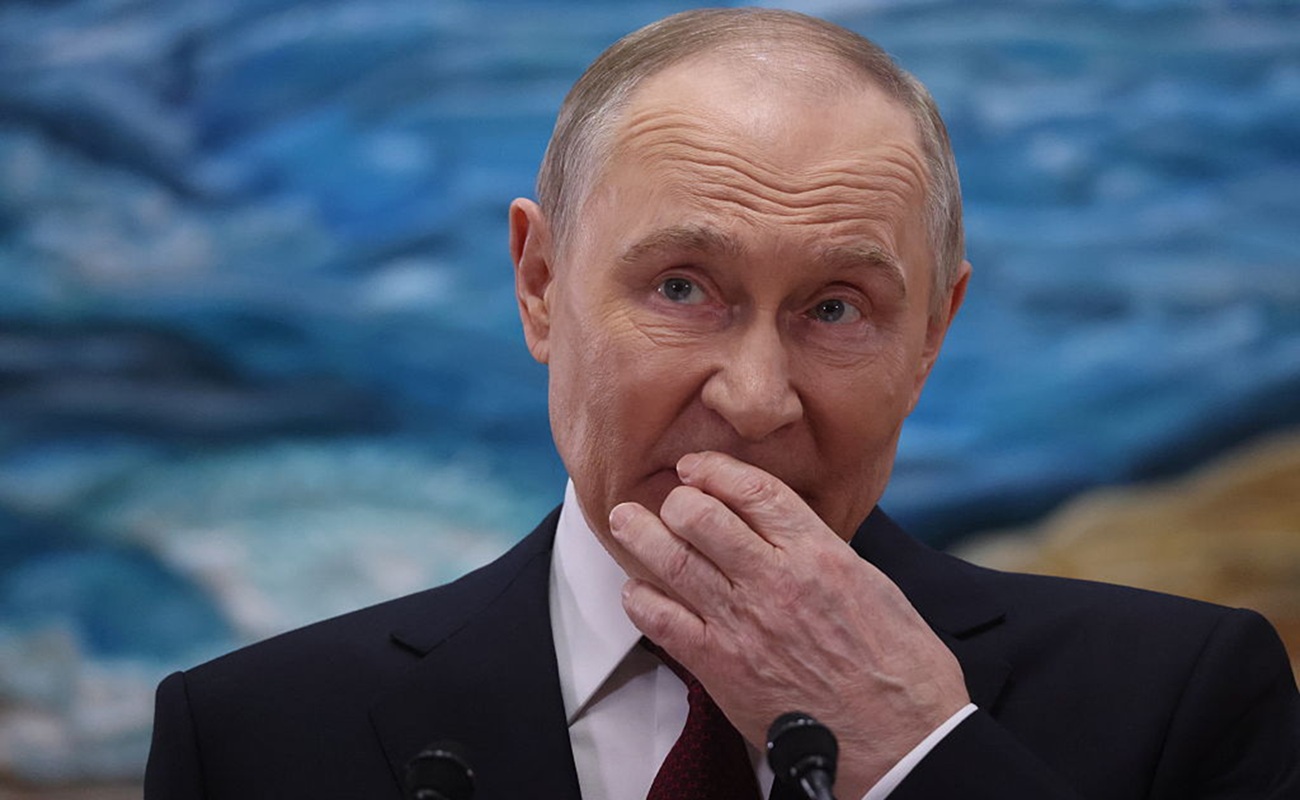
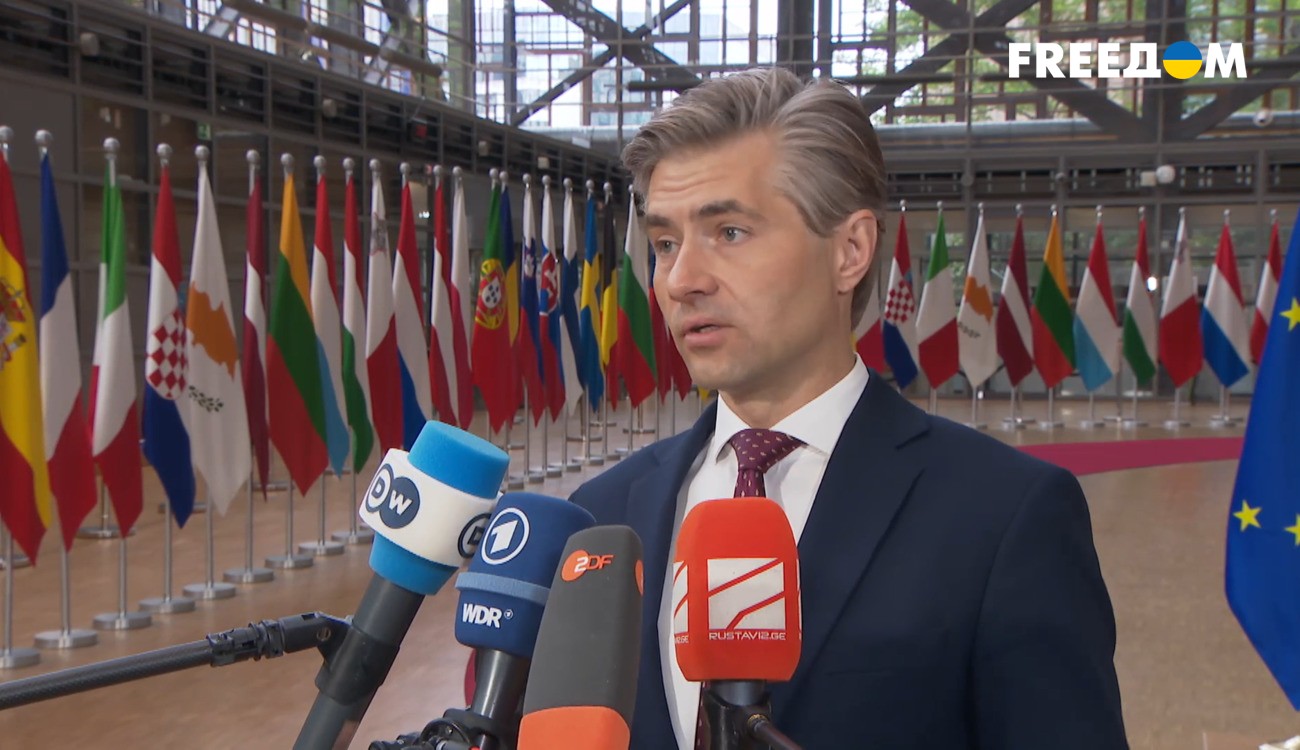
According to TSN.ua: The intensifying crisis in the Middle East is having a direct impact on worldwide energy markets, and Moscow is reaping the rewards. Surging oil and gas prices are providing Russia with a financial lifeline for its military operations, with daily revenue from energy exports now estimated at roughly $500 million. Luxembourg's Foreign Minister Xavier Bettel highlighted that the turmoil in the Middle East is playing directly into the hands of Russian President Vladimir Putin, remarking:
'There is one man sitting in the Kremlin right now, watching TV and eating popcorn.'
Western Nations Respond to Soaring Energy Prices
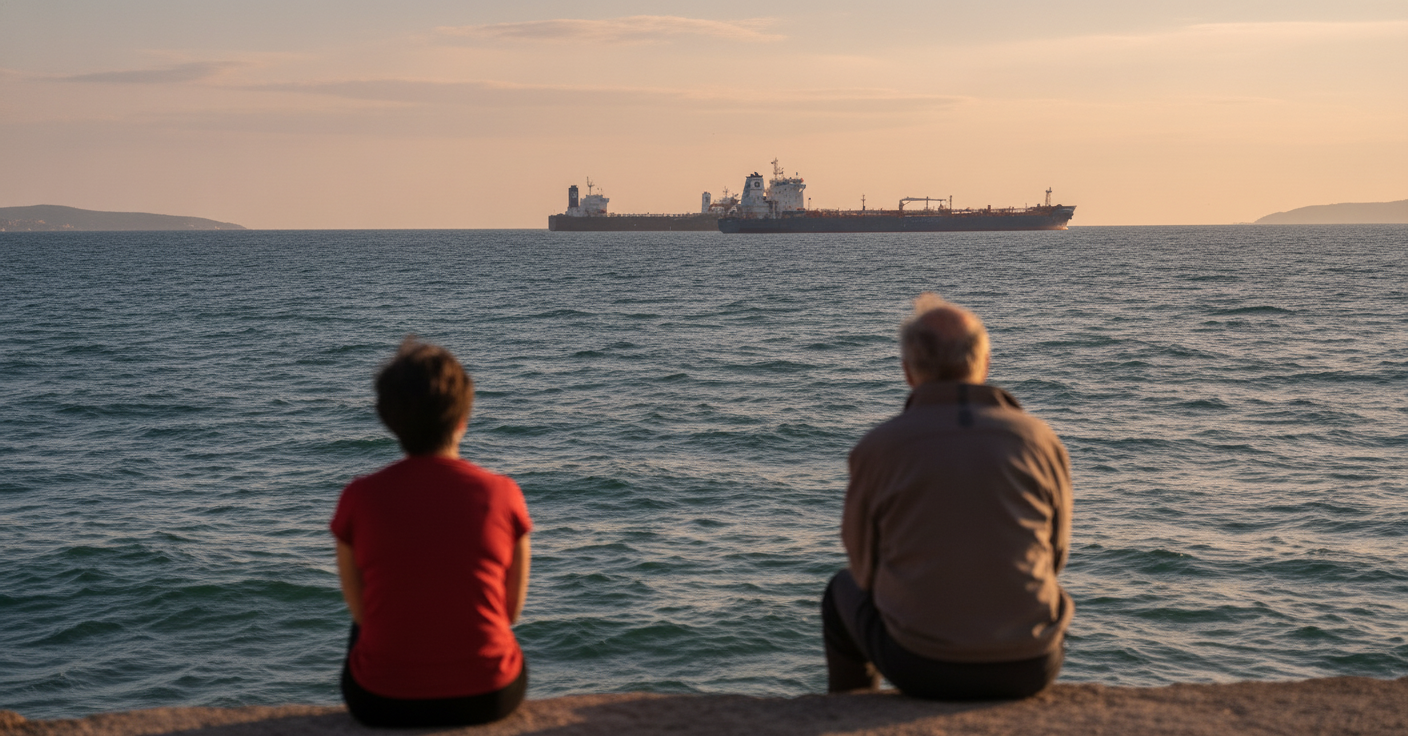
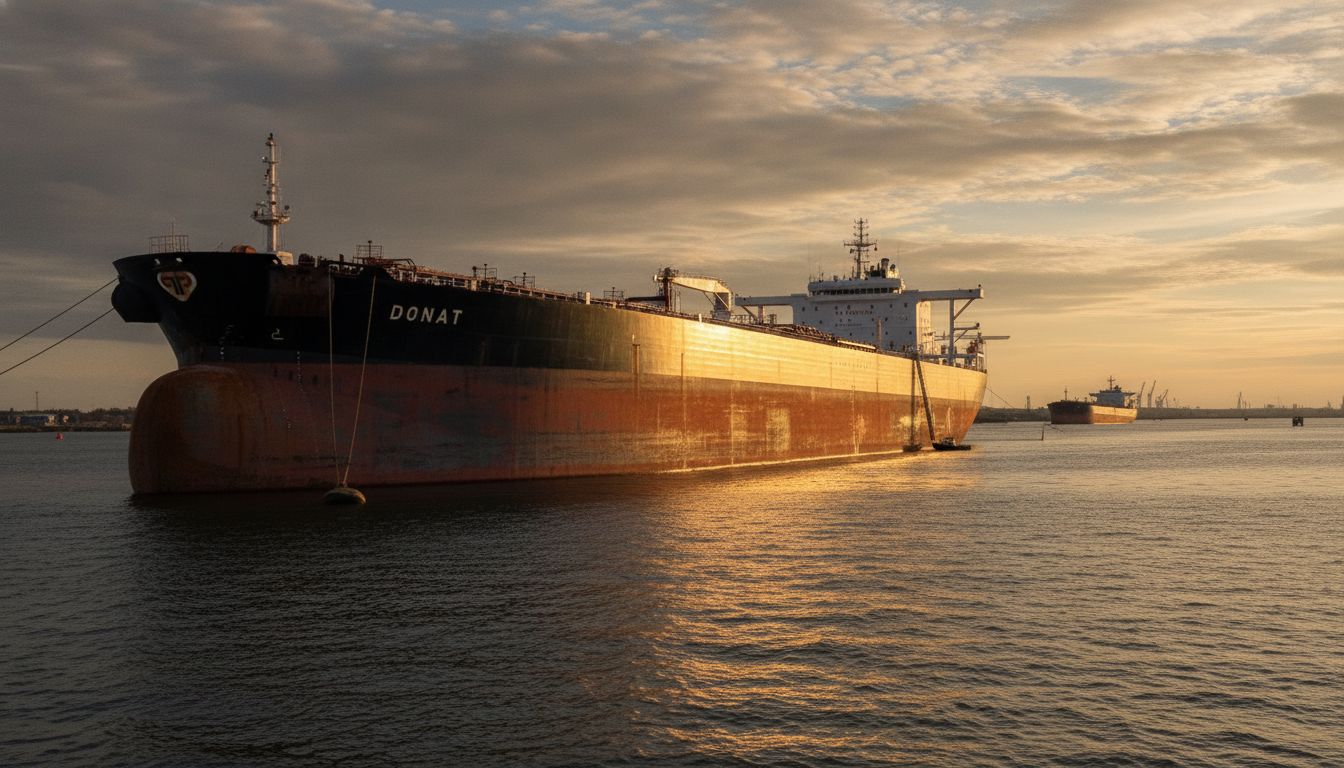
In response to skyrocketing energy costs—driven largely by threats to shipping in the Strait of Hormuz—Western countries, including the G7 and the International Energy Agency, have announced the release of hundreds of millions of barrels of oil from strategic reserves. This move is intended to stabilize markets and reduce the economic fallout from the regional instability.
Bettel also expressed his hope that the U.S. President recognizes the consequences of his actions, stating:
'Right now, he is the one filling Vladimir Putin's war chest.'He further emphasized the importance of condemning ongoing Iranian attacks, as their economic effects ultimately benefit the Kremlin. Ukrainian President Volodymyr Zelenskyy noted that since the escalation began, Russia's oil export earnings have climbed significantly, potentially reaching around $150 million per day.
Overall, any relaxation of sanctions policies could lead to even greater revenues for the Kremlin, further complicating the global energy landscape.
The situation in the Middle East continues to play a pivotal role in the world's energy balance and in Russia's geopolitical strategy. The price spikes tied to regional instability pose fresh challenges for countries seeking to reduce their reliance on Russian energy. While the release of Western oil reserves is an attempt to mitigate these pressures, its success will hinge on how events in the region unfold and how markets react.
Read also
- Kremlin Reacts After Zelensky’s Letter to Putin Reshapes His Agenda
- Zelenskyy Confirms Ukrainian Drone Strikes Hit Targets in St. Petersburg and Krasnodar
- London Summit: Zelenskyy and European Leaders Map Out Negotiation Strategy with Russia
- 37 Ukrainian Journalists Honored by President Zelenskyy: Full List of Award Recipients and Titles
- Putin Faces a Looming Crisis: Is Russia Ready for Talks, Asks Ukraine’s Foreign Minister
- Ukraine Warns of Belarus Border Provocations: Key Threat Identified by State Border Guard