Cherries and Apricots at Risk: Monilia Disease Devastates Stone Fruit Harvests.

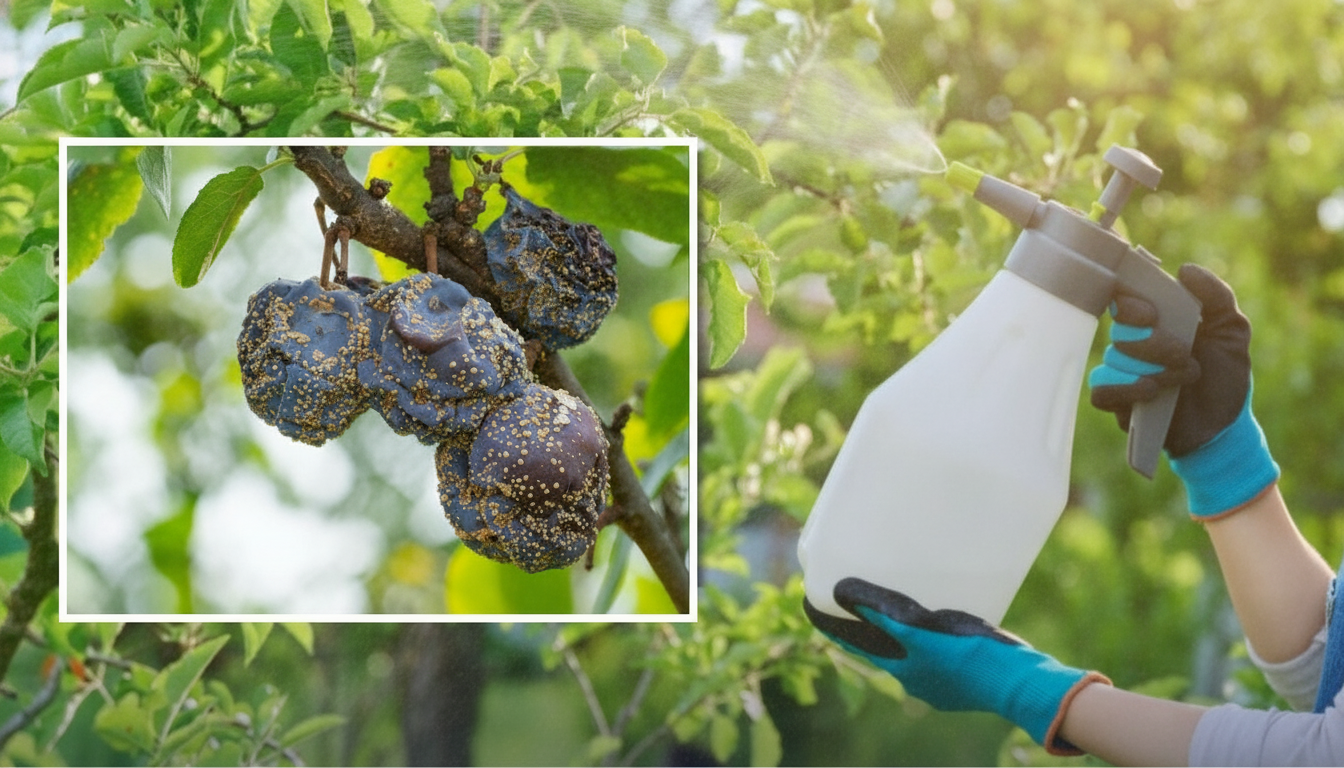
What Is Monilia Disease?
According to Novyny.live: Monilia disease—also called monilial burn or fruit rot—is a severe condition affecting stone fruit crops such as cherries, sweet cherries, plums, apricots, and peaches. Because this disease can rapidly destroy an entire harvest, understanding its symptoms, prevention strategies, and treatment options is essential for growers.
Practically all stone fruit varieties are vulnerable, with infection occurring in spring during the blooming period. The first major sign of the disease becomes visible in early summer. Key indicators of monilia include:
- brown spots appearing on the fruit;
- rapid decay of the flesh;
- a gray or light-colored coating of spores.
Infected fruits may dry out and become mummified, turning into a source of new infections the following spring.
Prevention and Treatment Methods
To halt further spread of the disease, it is recommended to remove all affected branches, cutting 5–10 cm into healthy wood. This practice reduces the risk of reinfection in the next season. Fungicides containing the following active ingredients have proven effective against fruit rot:
- difenoconazole;
- boscalid;
- pyraclostrobin.
These products deliver the best results in treating monilia disease.
The waiting period between fungicide application and harvest ranges from two to four weeks—a key factor to consider when scheduling treatments. Preventive measures include spraying trees in autumn and early spring, which helps lower the chance of infection.
Knowledge of monilia disease and its control methods is vital for anyone growing stone fruit crops. Early detection and timely action can significantly reduce harvest losses.
Monilia poses a serious threat to orchard owners, as its impact on yields can be devastating. Prompt diagnosis and preventive practices can substantially mitigate the risks associated with this disease.
The importance of training and awareness among farmers regarding symptoms and treatment methods cannot be overstated, as this can help preserve not only the harvest but also the economic stability of orchards.
Read also
- Poetry, Music, and Remembrance: Honoring Olena Teliha at Babyn Yar
- Population of Donbas Drops by One-Third Over a Decade: Russia's Demographic Devastation
- Two Men Arrested in Poland for Beating a Local Who Defended a Ukrainian Teen
- Teacher Fined in Ukraine for Using Russian in Classroom: Here’s What Happened
- Ukraine's Security Service Dismantles Fake Job Scheme for Draft Dodgers: Hundreds of Exemptions Sold for $5,000 Each
- Volunteer Threatened and Robbed of $11,000: Inside the Attack