








Advertising



Advertising






EU Gas Storage to Reach Only 76% Capacity Amid Strait of Hormuz Blockade
EU Gas Storage Fill Forecasts Financial analysts project that European Union gas storage facilities will be filled to 76% by the end of the injection season. Currently, these storages stand at 48% capacity, marking a significant improvement from the season's start when they were just 28% full. The p...
today, 02:30
316

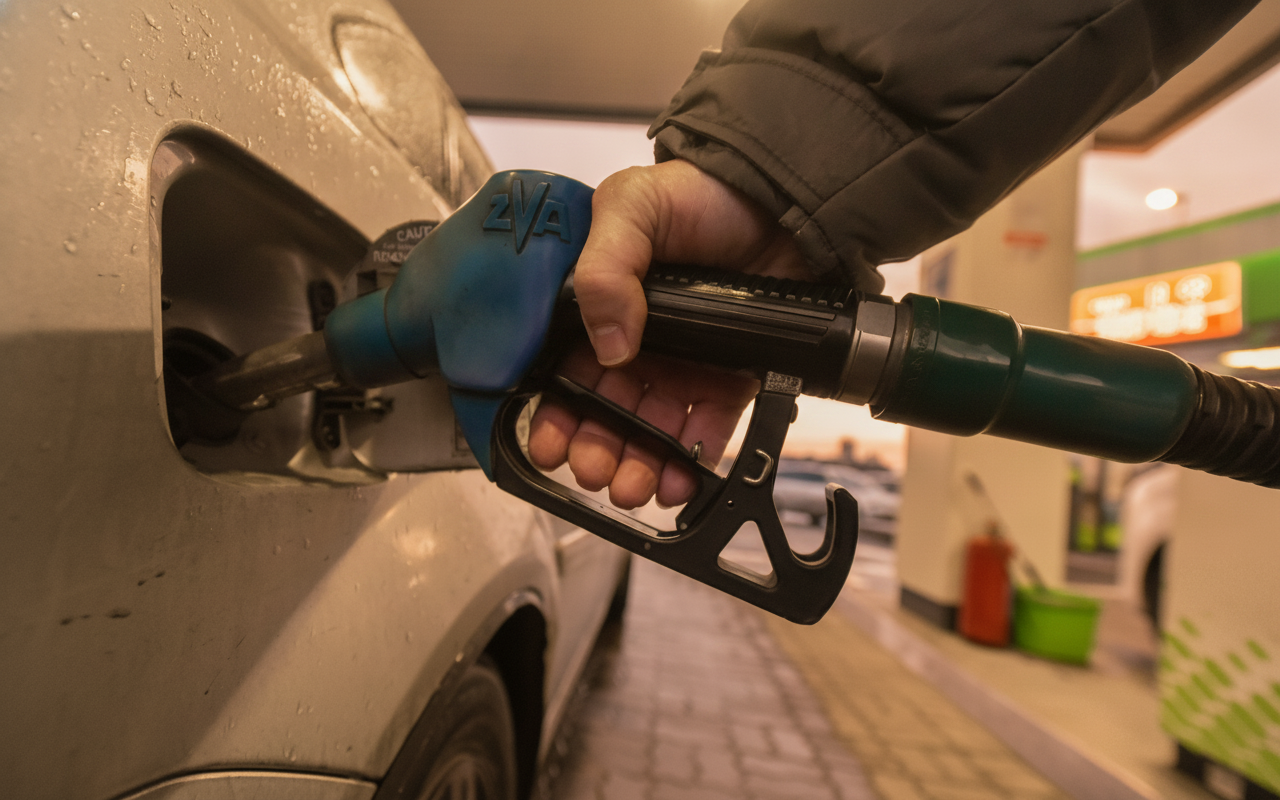
Diesel Prices in Ukraine Drop by 14.5 Hryvnias: Why Gasoline Isn’t Following Suit
yesterday, 23:24
366
Horoscope
LIFESTYLE



Tourism





A Fresh Take on Zucchini: Simple Cheese Rolls in Tomato Sauce Recipe
today, 02:12
290
Capricorn Full Moon on June 30: Who Will Feel Its Strongest Effects
yesterday, 20:24
334
10-Minute Stuffed Zucchini with Meat: A Quick and Delicious Dinner Idea
yesterday, 15:24
360
Tech
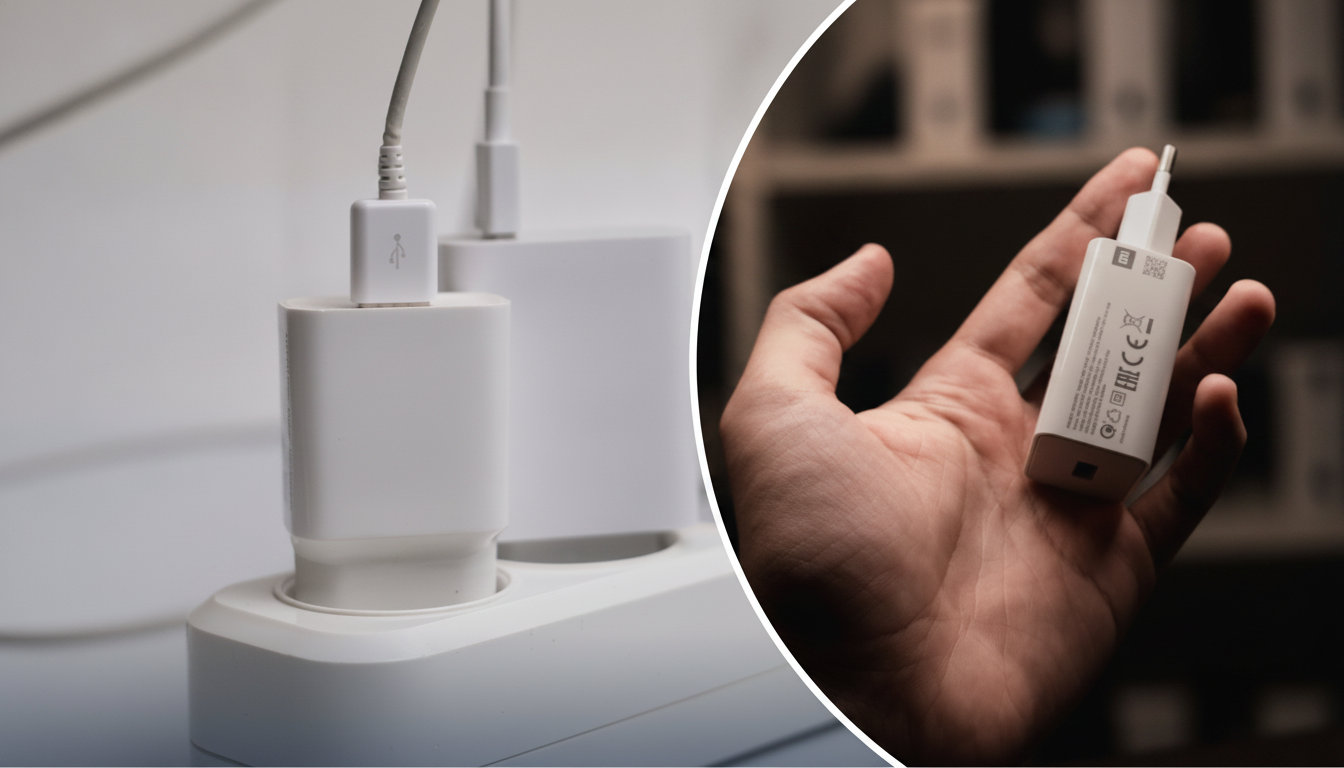

Chargers Left Plugged In Still Drain Power: How Much Extra Ukrainians Are Paying
yesterday, 18:00
351


Smartphone Battery Drain from GPS: How to Disable Location on Android and iPhone
yesterday, 12:24
395
Society




Showbiz



Sports




Brazil Snatches Last-Minute Victory Over Japan in World Cup 2026 Round of 16
yesterday, 23:12
373
2026 World Cup: Brazil Takes on Japan, Germany Faces Paraguay in Round of 32
yesterday, 17:00
401
Family Vacation in Odesa 2026: What a Trip with a Child Really Costs
today, 03:48
235
Wizz Air Launches a 24-Hour Flash Sale: European Flights Starting at €19
yesterday, 13:48
362