Ukrainian Teachers to Receive 30% Pay Raise Starting January 2026.

Minimum Salaries for Ukrainian Educators to Increase by 30% in 2026
According to Novyny.live: Starting January 1, 2026, the salaries of Ukrainian teachers will rise by 30% as part of the approved state budget. This significant increase is part of a broader effort to improve the education sector's stability and attractiveness. The Cabinet of Ministers, in its Resolution No. 1749 dated December 26, 2025, has mandated a 40% increase in the base salary rates for all pedagogical staff, aiming to enhance their social welfare and professional motivation.
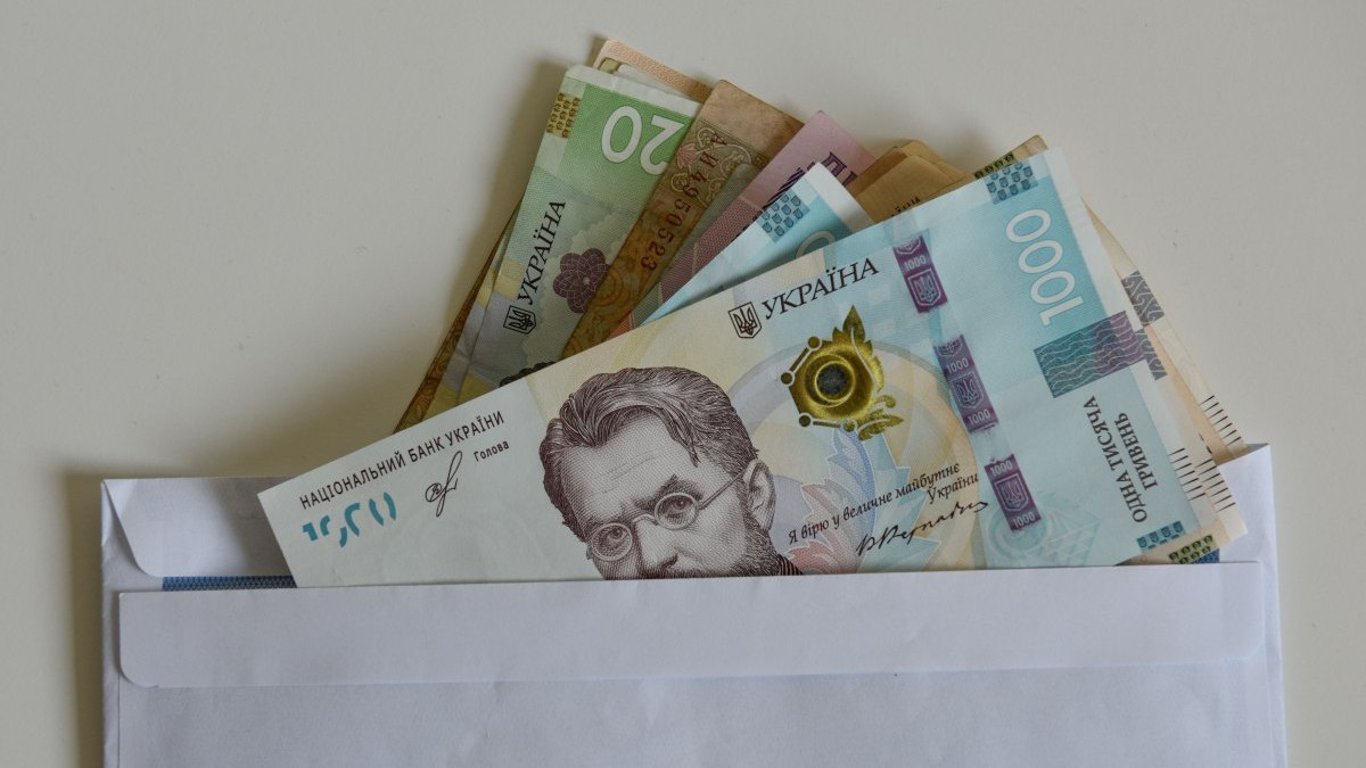
Teacher salaries are calculated using the Unified Tariff Schedule, where coefficients for teacher pay grades range from 1.73 to 3.21. For 2026, the base rate for calculating these salaries will be set at 3,470 Ukrainian hryvnias (UAH). Consequently, the minimum official salaries for teachers without a qualification category in January 2026 will be as follows:
- From 6,315 UAH for teachers without a category;
- From 8,841 UAH for teachers in pay grades 10-11;
- From 10,298.40 UAH for pay grade 12;
- No less than 11,027.80 UAH for pay grade 13;
- From 11,755.80 UAH for pay grade 14.
It is important to note that, in accordance with Cabinet Resolution No. 22 from 2018, teachers are entitled to a mandatory 10% salary supplement. Furthermore, a compulsory additional payment of 2,000 UAH per month is established for work in challenging conditions. These reforms to the teacher compensation system are designed to provide better working conditions and elevate the prestige of the teaching profession in Ukraine.
The salary increase for teachers represents a crucial step in reforming Ukraine's education system, which could positively impact the quality of instruction and encourage more young people to pursue a career in teaching.
The combination of higher base salaries and additional payments for difficult working environments is expected to alleviate staffing shortages in education and help retain qualified professionals in schools. This policy reflects a long-term commitment to strengthening the nation's human capital.
Read also
- Three Ukrainians Without Documents Rescued from Occupied Territories Under Bring Kids Back UA Initiative
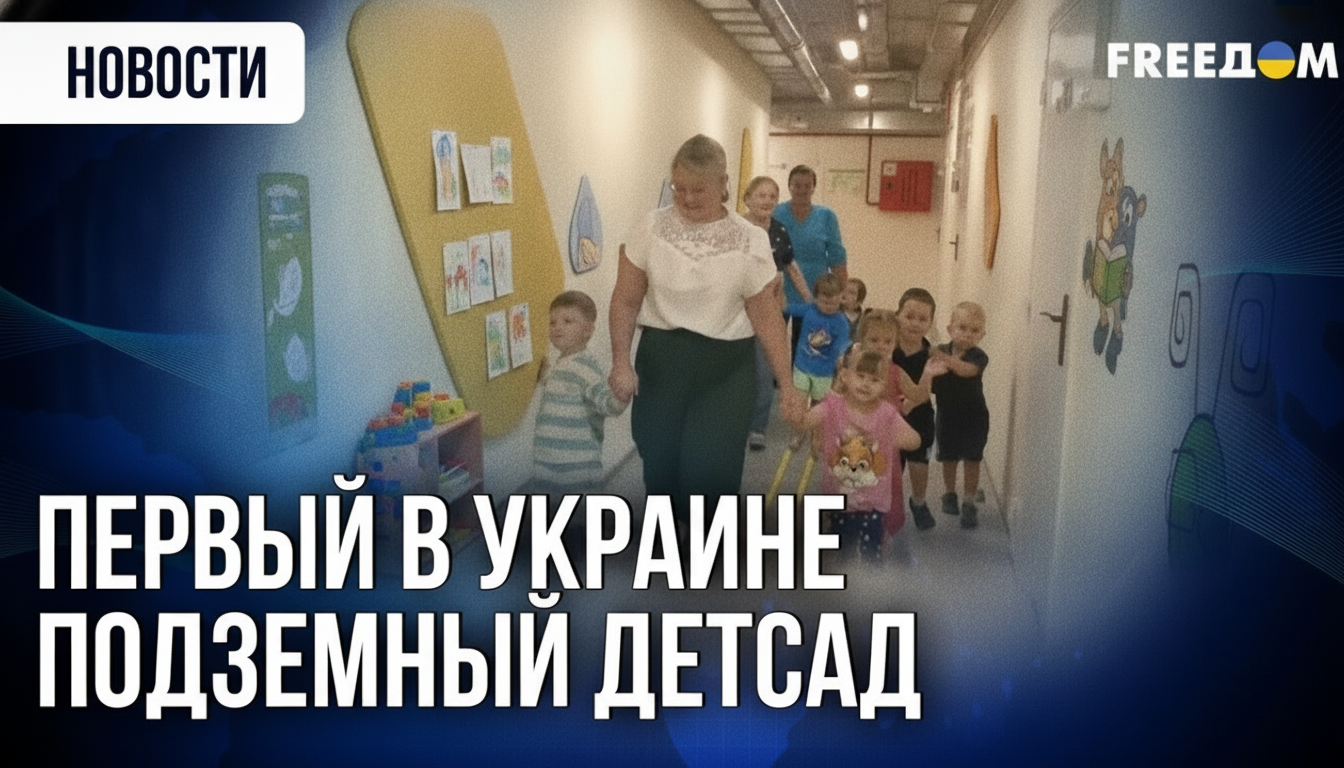
- Ukraine’s first underground kindergarten opens in Kharkiv, accommodating 260 children
- Ukraine's ports crippled by Russian strikes: 28 vessels hit, 21 killed
- 24 Children Rescued from Occupied Territories by Save Ukraine, Including Injured 13-Year-Old Anhelina
- Woman Faces Up to 7.5 Years in Prison After Attacking Children for Speaking Ukrainian in Poland
- One of the Most Recognizable Voices on Ukrainian Radio, Journalist Oleksandr, Has Passed Away