Zelensky Announces Return of 160 Prisoners of War, Including Mariupol Defenders and Azov Fighters.

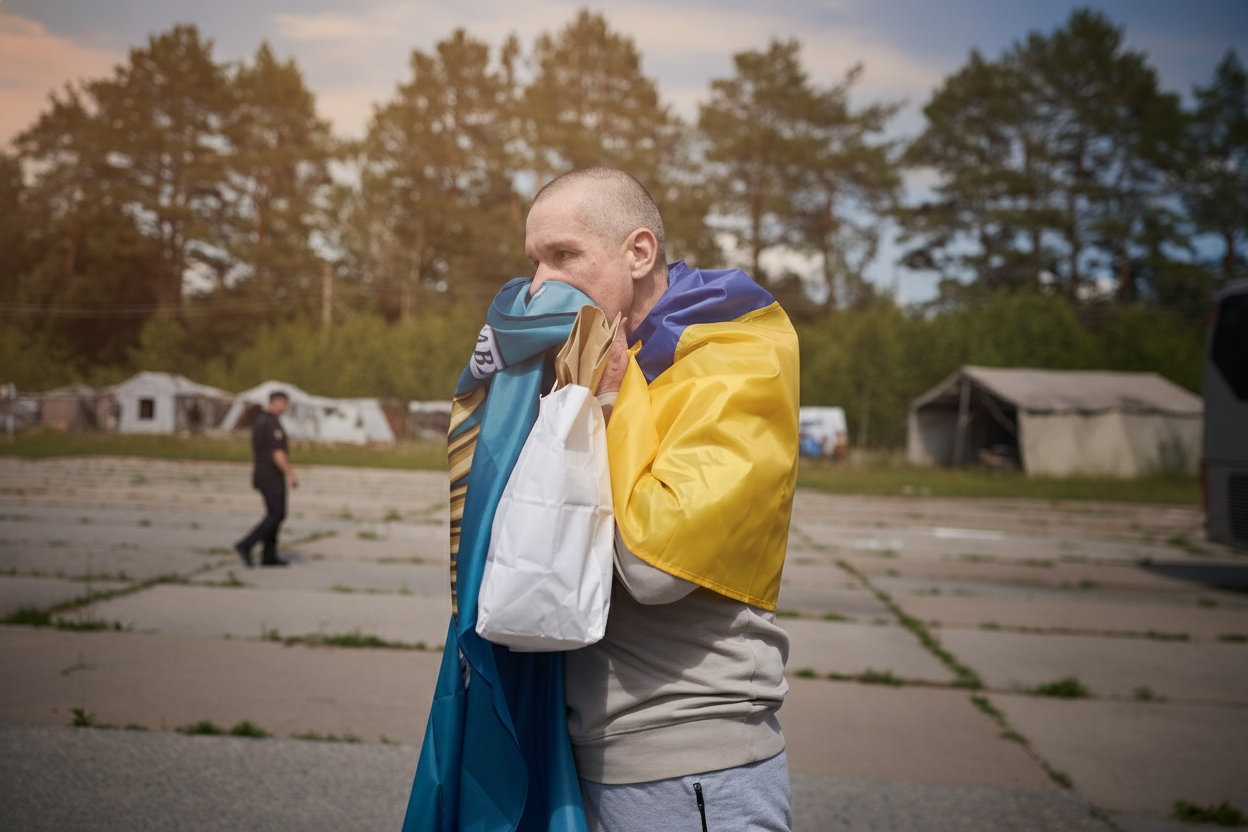
Military Personnel Released from Russian Captivity
According to Espreso.tv: Ukrainian President Volodymyr Zelensky has announced the release of 160 service members who had been held captive by Russian forces since 2022. This event marks a significant milestone for the families of the soldiers and the broader society, as the return of defenders is always a powerful moment amid the ongoing war.
Among those freed:
- 115 were involved in the defense of Mariupol;
- 58 hold officer ranks.
The youngest among them is 26 years old, while the oldest is 66. This age range highlights the diverse backgrounds of those who fought for Ukraine’s independence. The released soldiers come from various military units, including the Armed Forces of Ukraine, the State Special Transport Service, the National Guard, and the Border Guard Service.
Reintegration Process
Upon returning home, the freed service members will undergo medical examinations, receive necessary treatment, financial compensation, and official documentation. This stage is critical for their reintegration into society and recovery from the hardships they endured.
'We continue to bring Ukrainians home from Russian captivity' – Volodymyr Zelensky
Dmytro Lubinets, a representative of the Coordination Headquarters for the Treatment of Prisoners of War, noted that 'nearly 99% of those released were taken captive in 2022.' This underscores the prolonged nature of the war and the difficult circumstances faced by Ukrainian military personnel.
The group of freed soldiers also includes members of the Azov regiment, particularly officers, which adds special significance to this event for the various military units resisting aggression. The return of these troops represents an important step in the humanitarian resolution of the conflict and the restoration of justice for those who defended their country.
The release of soldiers from Russian captivity sends a strong signal to Ukrainian society, which remains committed to supporting its defenders under harsh wartime conditions. It also highlights the Ukrainian government’s efforts in conducting prisoner exchanges, a factor that could play a key role in future peace negotiations. Bringing back fighters from different military formations, including Azov, is likely to boost the morale of both the army and the public, as each return serves as a symbol of hope and belief in Ukraine’s victory.
Read also
- Zelenskyy Reports Destruction of Tu-95 Bomber and Strikes on Russian Oil Assets: Key Takeaways
- New Naftogaz CEO Appointed by Zelensky: Who Is Serhiy Fedorenko?
- Zelenskyy Offers Top Security Council Role to Ex-Interior Minister Klymenko — Will He Accept?
- Ukraine’s EU Accession Talks: New Clusters Announced by President Zelenskyy
- Zelenskyy Picks Taras Kachka to Lead Ukraine’s Mission to the EU
- Zelenskyy Responds to Massive Russian Strike: Over 130 Drones and 8 Rockets Target Ukraine