









Winter Fertilizer on Snow: What Substances Will Lay the Foundation for the Harvest.
According to ТСН: The winter season offers gardeners wonderful opportunities for a calm preparation of their plots for spring. Snow, as a natural mechanism, facilitates the gradual penetration of fertilizers into the soil along with the melting water. This provides plants with ideal conditions for the beginning of vegetation, agronomists note.
Advantages of Winter Fertilization
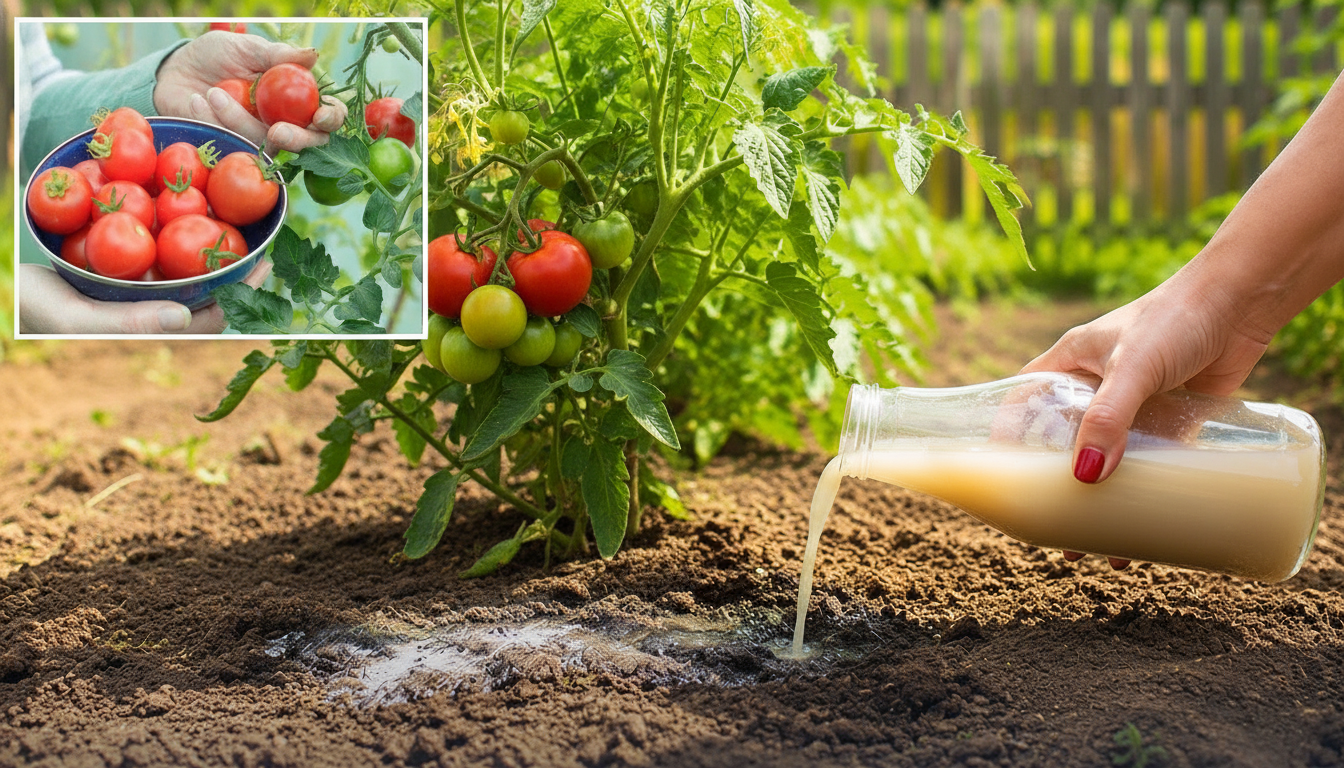
Winter fertilization of the soil has many advantages, as in warm months the earth gives most of its resources to growing the harvest. By scattering fertilizers over the snow, gardeners activate them through nature, as meltwater serves as an effective conductor for nutrients.
This approach ensures an even distribution of minerals over the area. Beneficial elements reach greater depths, where the roots are located, without the risk of being washed away during heavy spring rains.
Especially important for berry bushes, perennial flowers, and fruit trees, which need energy immediately after coming out of winter dormancy to grow actively and form the future harvest.
What Fertilizers Can Be Spread on Snow
-
Wood Ash serves not only as fertilizer but also as a natural protection for plants. It strengthens the root system, boosts immunity, and reduces the risk of fungal infections. It is best used in plots with winter onions and garlic, as well as for berry bushes and trees. The recommended dose is 1 cup per 1 m².
-
Superphosphate requires some time for activation, and winter helps it convert into a form that roots can easily absorb with the first warmth. This fertilizer is critical for forming strong roots and laying a large number of flower buds. Raspberry, strawberries, blackcurrants, and grapes will benefit the most from it. The recommended rate is 30-40 g per 1 m².
-
Potassium Fertilizers, particularly potassium sulfate, act as protectors for the garden. They help perennial crops withstand harsh frosts and adapt more easily to sharp changes in weather. Meltwater will spread the fertilizer particles across the ground, so it can simply be scattered on the snow cover. It is recommended to apply 15-25 g per 1 m².
-
The use of compost, manure, and bone meal significantly improves soil composition, providing a supply of humus. Organic materials form a fertile layer that partially mixes with the soil during winter. Bone meal is also a reliable source of phosphorus, which acts over a long time. Organic matter should be spread in a layer of 2-3 cm, and bone meal should be used at a rate of 100-200 g per 1 m².
What to Avoid Doing in Winter
Experts recommend avoiding winter application of all nutrient substances. This especially applies to nitrogen mixtures, which dissolve quickly and lose their effectiveness before the real spring warming. Therefore, they should be left until the beginning of active plant growth.
Furthermore, fertilizers should not be scattered if the ground is covered with a thick layer of ice or deep snow. In this case, fertilizers will not be able to reach the soil surface during melting or will be washed away by water into the lowlands.
Preparing the soil in winter is an important part of agronomy as it improves fertility and provides plants with all necessary trace elements for active growth. The method of winter fertilization is actively used by professional gardeners and results in more generous harvests in the future. The correct selection of fertilizers and the timing of their application can significantly impact gardening success.
Read also
- Ukrainian Military Recruitment Personnel Now Authorized to Use Force and Weapons: What You Need to Know
- Heating Bills for January to Be Revised in Kyiv: Over 720 Million UAH in Compensation Announced
- U.S. Reverses Mining Ban Near Boundary Waters Wilderness, Raising Ecological Alarm
- Starting September 2026, Ukrainian Teachers Get a Raise: A 20% Bonus for Those Working with Special Needs Students
- Ukraine’s Contract 18-24: How Young Volunteers Are Joining the Armed Forces
- Stricter E-Scooter Regulations Take Effect in Lviv Starting July 1