Airlines Deliberately Reduce Economy Seats: What's Behind the New Strategy.

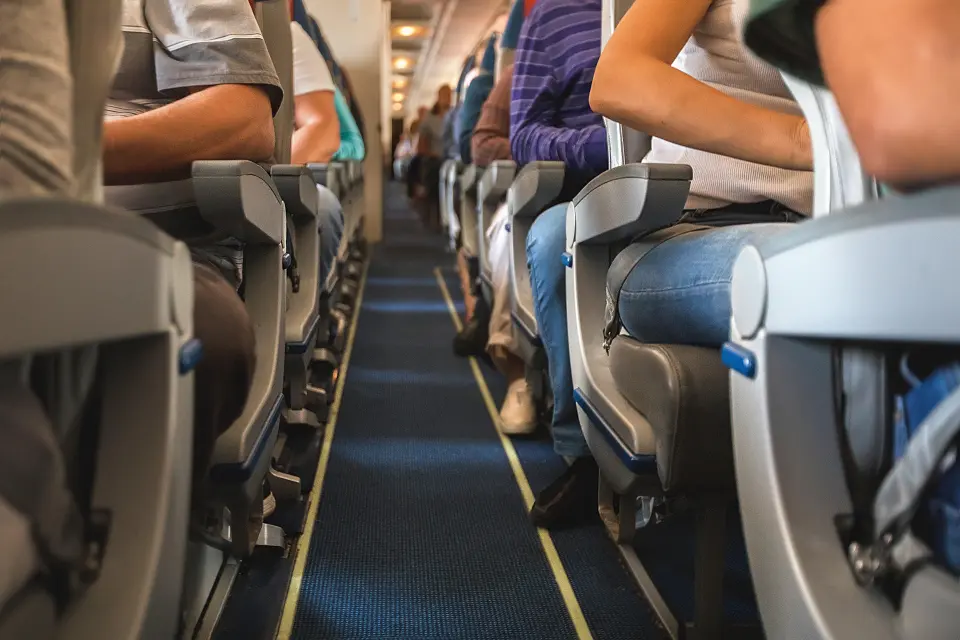
According to inkorr.com: Airlines are intentionally complicating conditions in economy class, trying to persuade passengers to buy more expensive premium tickets. Tight seating and limited legroom are not just space-saving measures, but a whole strategy for increasing profits. This is discussed in an article by The Sun.
How Airlines Create Discomfort in Economy Class
Complaints from travelers about insufficient space in economy class are becoming increasingly common: seat placements are closer than before, leaving minimal legroom. As noted by aviation portal editor Seth Miller, this is not a coincidence.
“Airlines are focused on higher revenues that they can generate from premium-class passengers, and aircraft cabins are transitioning to a higher premium composition, removing seats in economy class to achieve this,” he explained.
The main profit for carriers comes not from economy passengers, but from those who choose business class, first class, or premium economy.
What Benefits Are Offered in Business Class
To encourage passengers to switch to more expensive categories, airlines offer:
- Priority check-in and boarding.
- Additional legroom and adjustable headrests.
- Increased baggage allowance.
- Better meals and footrests.
What is 'Premium Economy' Class
For example, American company Southwest Airlines actively promotes 'premium economy' – essentially economy seats, but with greater comfort. However, these conveniences come at an extra cost: premium economy tickets are 30-100% more expensive than standard economy.
This strategy allows airlines to maximize profits, as passengers unwilling to endure discomfort are ready to pay more. At the same time, carriers do not increase the number of economy seats; on the contrary, they reduce them to expand premium zones.
Previously, we reported that Chinese China Eastern Airlines announced a record 29-hour flight from Shanghai to Buenos Aires via Auckland.
In light of these changes, it's important to understand that airlines seek to extract the maximum benefit from each flight. This could significantly influence passenger choices in the future, as they may prioritize comfort and service over ticket price. Such trends could reshape the face of air transport in the coming years.
Read also
- Three Ukrainians Without Documents Rescued from Occupied Territories Under Bring Kids Back UA Initiative
- Ukraine’s first underground kindergarten opens in Kharkiv, accommodating 260 children
- Ukraine's ports crippled by Russian strikes: 28 vessels hit, 21 killed
- 24 Children Rescued from Occupied Territories by Save Ukraine, Including Injured 13-Year-Old Anhelina
- Woman Faces Up to 7.5 Years in Prison After Attacking Children for Speaking Ukrainian in Poland
- One of the Most Recognizable Voices on Ukrainian Radio, Journalist Oleksandr, Has Passed Away