







Former British Colonel Sets the Stage for Genuine Talks with Russia.
Why Military Pressure on Russia Matters
According to TSN.ua: Retired British Army Colonel Philip Ingram has argued that sustained military pressure on Russia is essential for any meaningful negotiations to take place. He emphasized that the situation on the front lines plays a decisive role in shaping the prospects for peace talks. Specifically, Ingram stated that
“the likelihood of negotiations directly hinges on the conditions on the battlefield”.
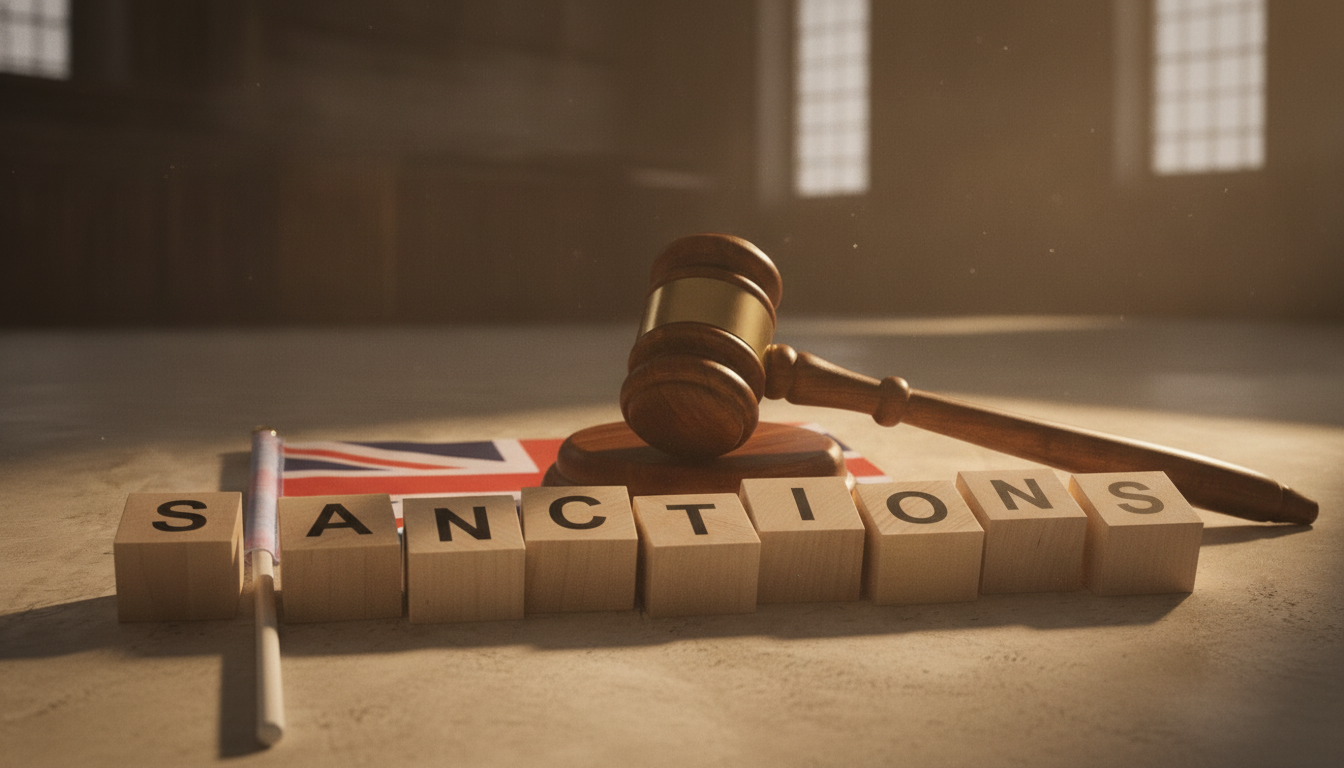
According to the expert, another critical element of this military pressure is tightening economic sanctions against Russia, which should be enforced by the United States and its allies. Philip Ingram declared:
“military pressure must be paired with stronger economic sanctions against Russia”. This combination, he believes, could significantly shift Moscow’s stance at the negotiating table.
Frontline Dynamics and External Influences
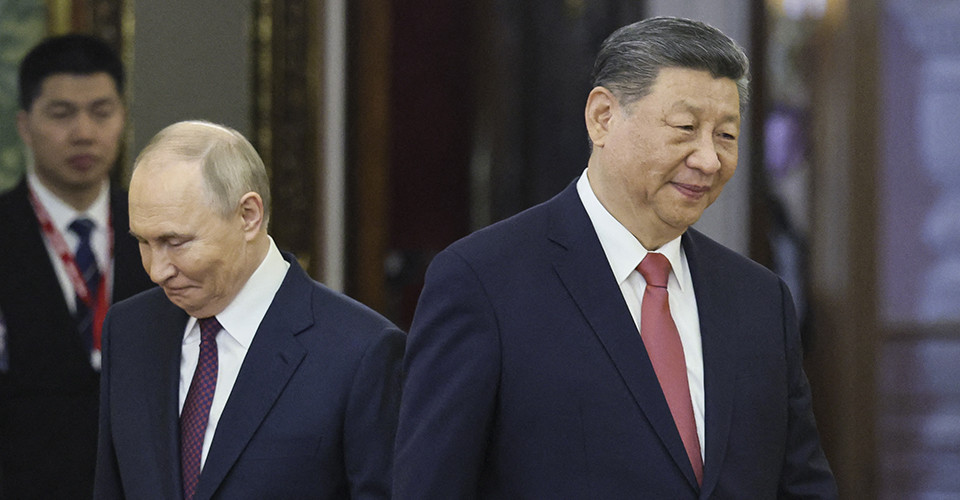
Furthermore, the evolving battlefield situation and Russia’s military cooperation with Iran and China could complicate the peace process. Ingram also suggested that “if Moscow does agree to a ceasefire, it will likely be a temporary pause.” This indicates that even if an agreement is reached, Russia might use the ceasefire as an opportunity to regroup its forces.
As a result, maintaining military pressure on Russia—alongside economic sanctions—plays a pivotal role in creating the conditions for peace negotiations. The situation on the front lines remains the decisive factor that could determine the next steps in diplomacy.
Philip Ingram’s remarks highlight the need for a comprehensive approach to resolving the conflict, one that combines both military and economic pressure on Russia. This strategy could help foster a favorable environment for talks, though the battlefield situation requires constant monitoring and analysis, as shifts in military dynamics can heavily influence diplomatic efforts. External factors, such as support from Iran and China, must also be considered, as they could alter the negotiation landscape.
Read also
- Cabinet Dismisses Deputy Defense Minister Ivan Havryliuk: Key Details
- Budanov Transforms the Presidential Office into a Governance Engine: What’s Set to Change
- Kremlin Acknowledges Receipt of Zelensky’s Letter to Putin
- Why Zelenskyy’s Letter to Putin Won’t Shift the Kremlin’s War Stance: U.S. Perspectives
- Ukraine’s Parliament Moves to Regulate E-Scooters: Proposed Speed Limits and Age Restrictions Unveiled
- Ukraine Police Uncover UAH 200 Million in Undeclared Assets from Officials: Inside Operation 'Aesculapius'