















Top Low-Maintenance Flowers for Ukrainian Cemeteries: The Best Plant Choices Revealed.

Low-maintenance flowers for Ukrainian cemeteries

Decorating Graves with Plants: A Ukrainian Tradition

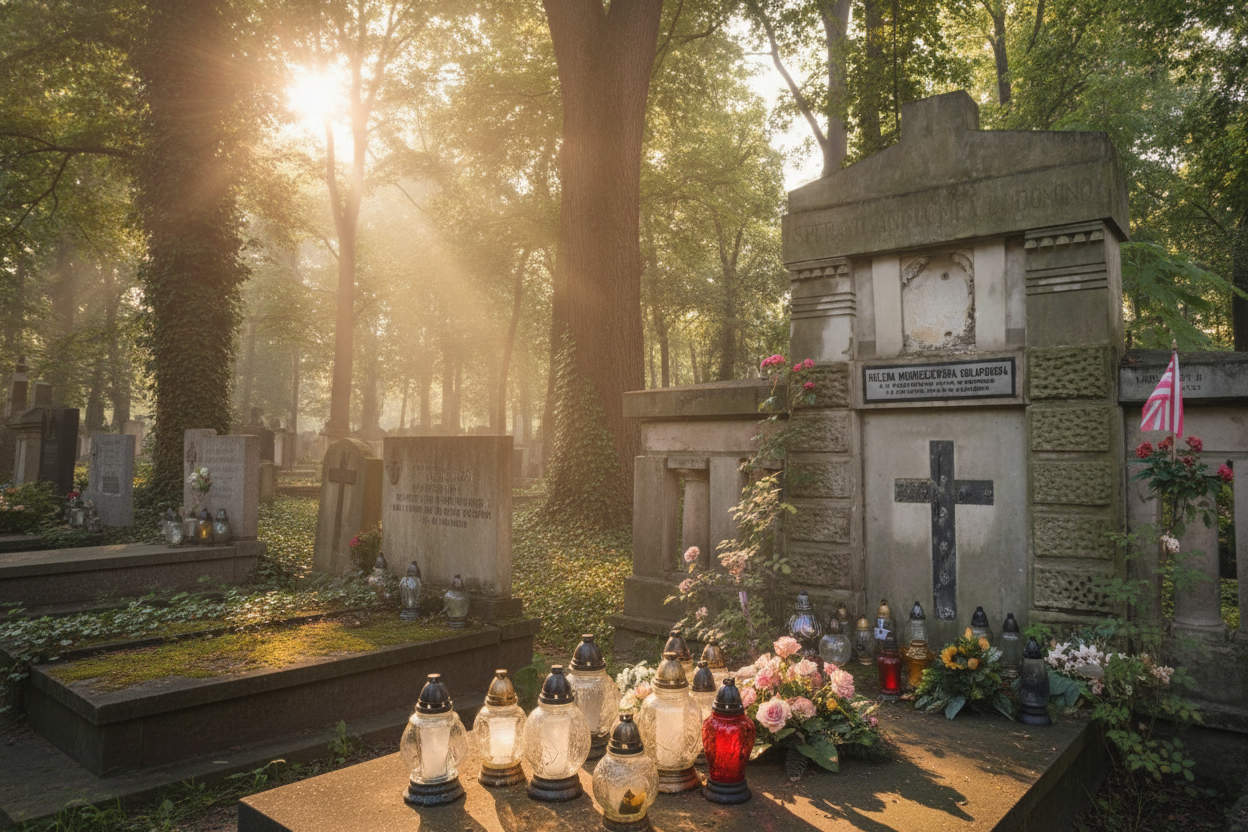
According to TSN.ua: In Ukraine, adorning graves with plants is a long-standing tradition that honors the memory of the deceased. Selecting the right flora is crucial—these plants must be hardy, adaptable to various conditions, and boast a long blooming period. This ensures graves maintain a dignified appearance for extended periods without frequent upkeep.

Choosing Plants Based on Soil Type and Sunlight

When picking plants, soil composition is a key factor. Here are recommendations:

  • For clay soil: lily of the valley, irises, and astilbe.
  • For sandy soil: hydrangea, lavender, and rosemary.
  • For loamy soil: dahlias, pansies, and peonies.

Sunlight exposure also plays a major role. In sunny spots, these thrive:

  • daisies,
  • geraniums,
  • sunflowers.

For shaded areas, consider growing:

  • violets,
  • hostas,
  • astilbe.

Ground-cover plants commonly used on graves include:

  • periwinkle,
  • sedum,
  • creeping Jenny,
  • wild strawberry.

Popular perennial choices are:

  • tulips,
  • daffodils,
  • forget-me-nots,
  • echinacea,
  • rudbeckia,
  • lily of the valley,
  • yarrow,
  • houseleek,
  • lavender,
  • hydrangea.

These plants are valued not only for their beauty but also for their durability. For those who prefer annuals, excellent options include:

  • cosmos,
  • pansies,
  • calendula,
  • garden carnation,
  • cornflower.

Ultimately, adorning graves with plants in Ukraine is more than a tribute to the departed—it offers everyone the chance to choose optimal, low-care options based on soil specifics and growing conditions. This tradition remains a vital part of the culture, helping maintain a tangible link to the past.

In Ukraine, decorating graves with plants plays a key role in preserving the memory of the deceased and shaping cultural customs. The selection of appropriate plants depends on many factors, including soil type and light exposure, allowing for aesthetically pleasing arrangements. This practice not only sustains a connection with history but also fosters local gardening traditions, highlighting nature's importance in both life and remembrance.


Read also

Advertising