








Advertising






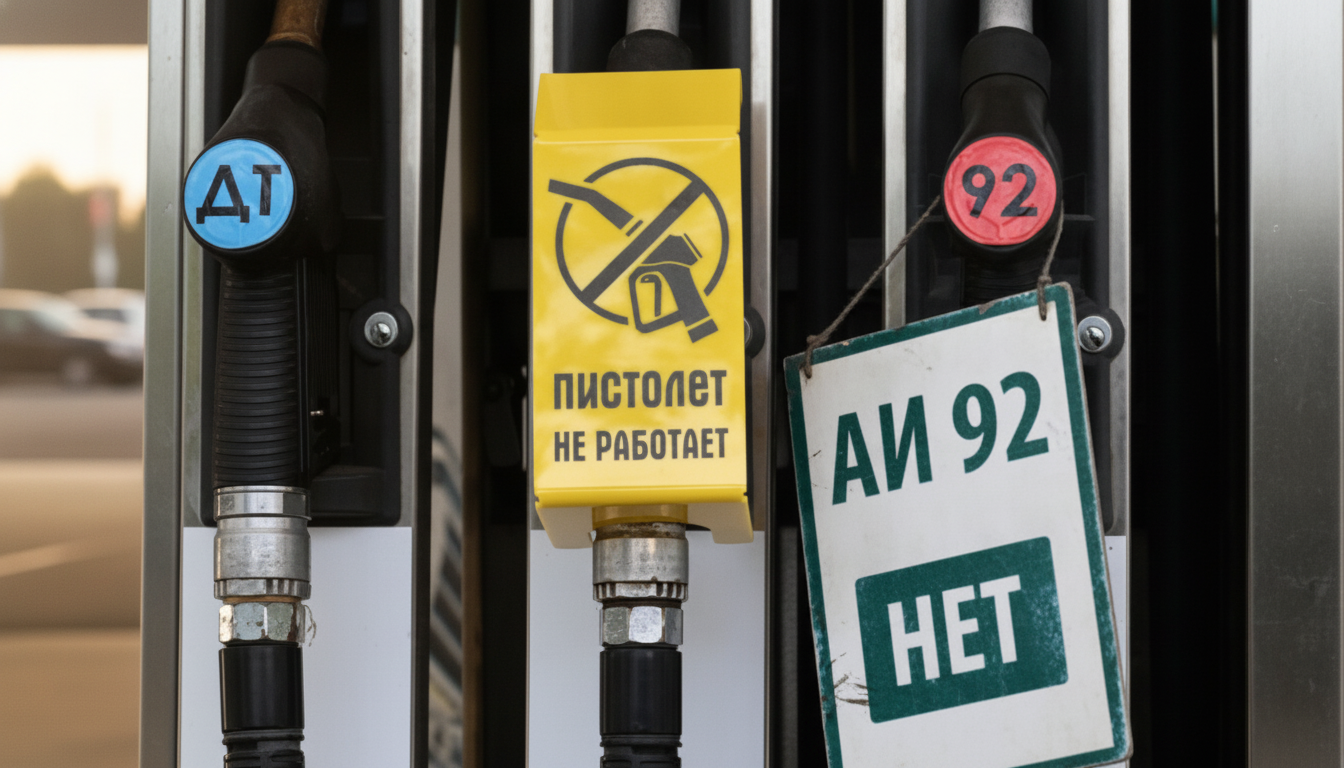
Kyrgyzstan Imposes Indefinite Ban on Gasoline and Diesel Exports: What It Means for the Region
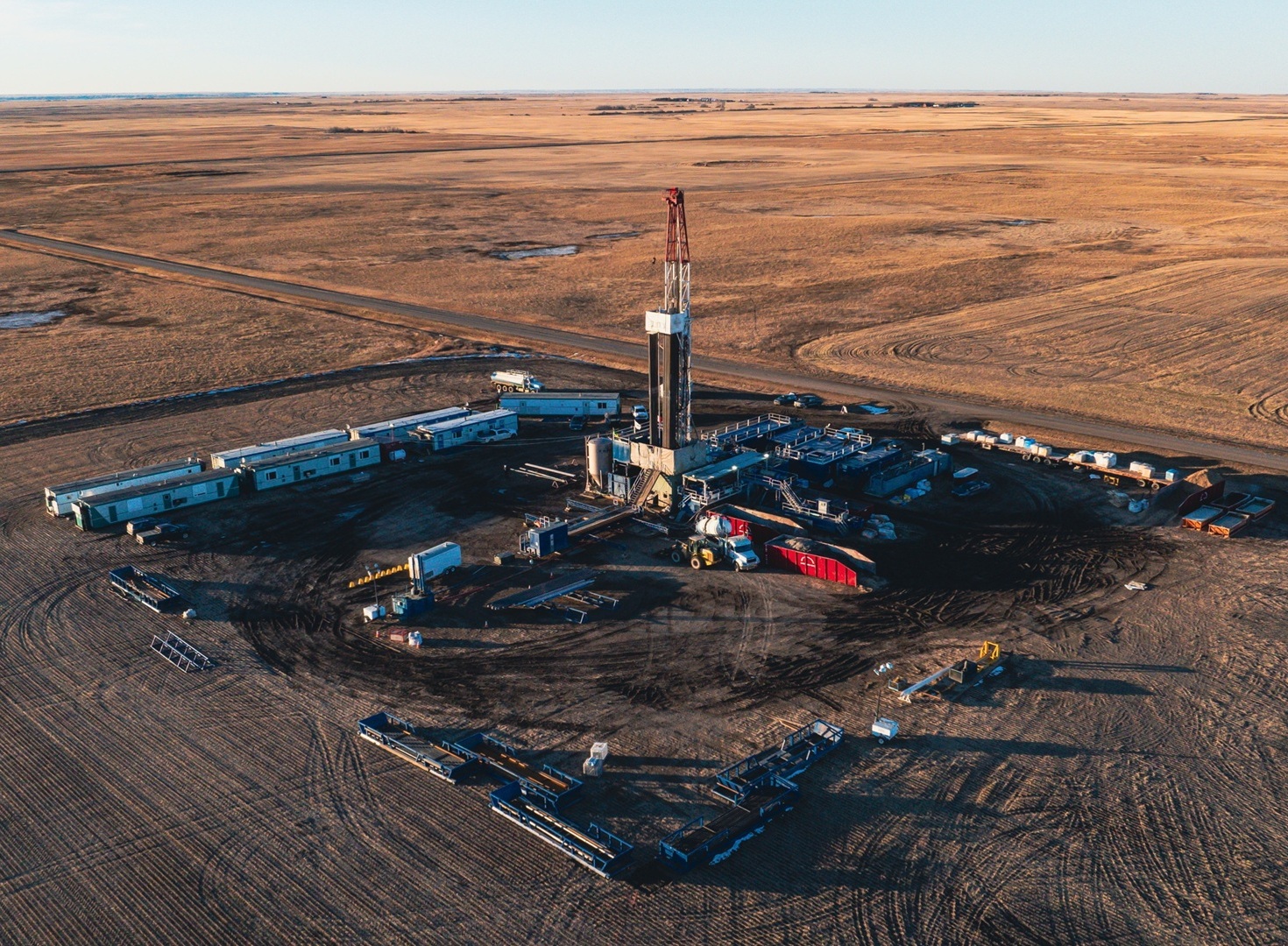
Kyrgyzstan's Fuel Export Ban The Cabinet of Ministers of Kyrgyzstan has decided to indefinitely prohibit the export of gasoline, diesel, and other petroleum products. This restriction will remain in place until domestic market needs are fully met or until the common market of the Eurasian Economic U...
today, 01:18
305
Horoscope
LIFESTYLE

Tourism


Forecaster Didenko Issues Weather Update for July 15: Where Rain Is Expected
yesterday, 13:00
378



Tech


Society


Why Many Veterans Are Rejecting Prosthetics From State-Run Clinics
yesterday, 19:48
374
Man Beaten in Łódź After Being Mistaken for Ukrainian: Police Hunt for Attacker
yesterday, 19:30
366


Showbiz

Jurassic Park Star Sam Neill Dies at 78 After Battle with Pneumonia
today, 03:00
235



Sports



France and Spain Set for Dallas Showdown in 2026 World Cup Semifinal on July 14
yesterday, 11:24
449
Russia Reinstated in Table Tennis: ITTF Lifts Suspension
13.07.2026
507