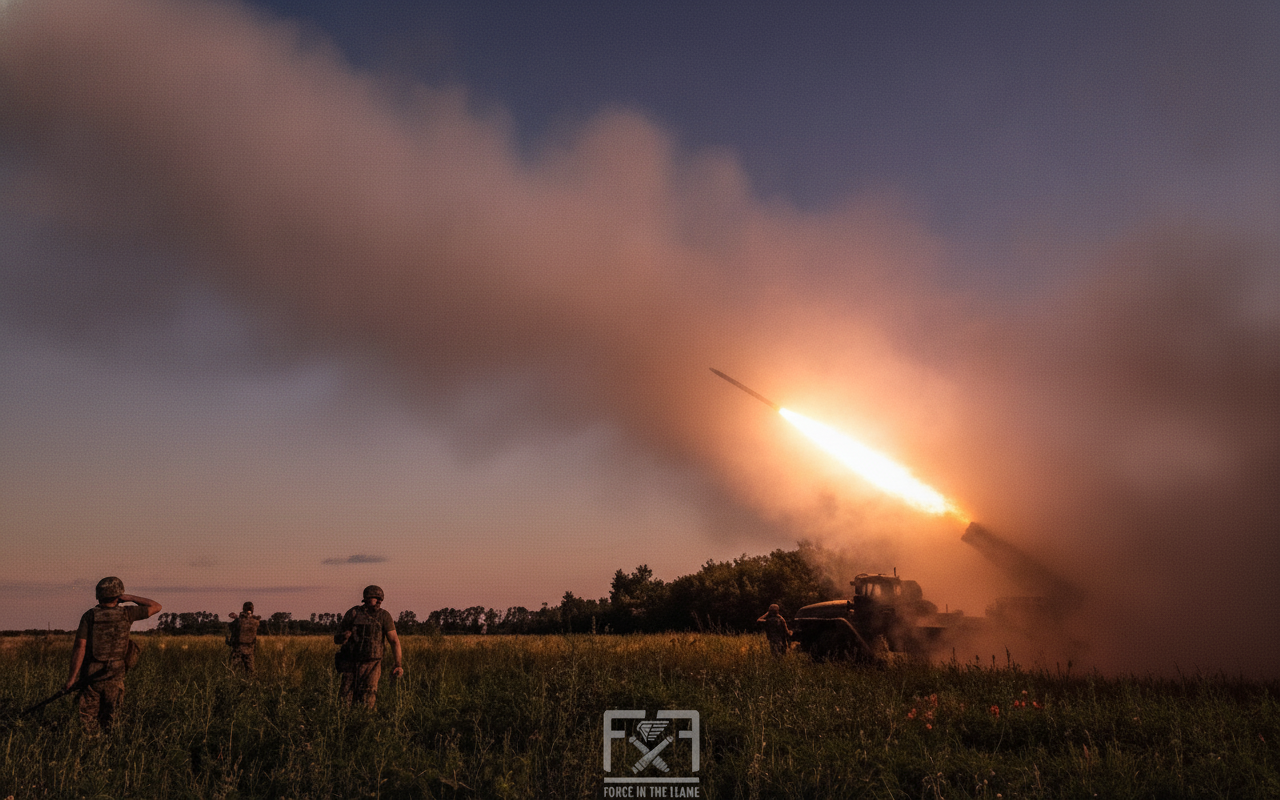
NATO Intercepts Iranian Ballistic Missile Fired Toward Turkey.

Iran's Ballistic Missile Launch
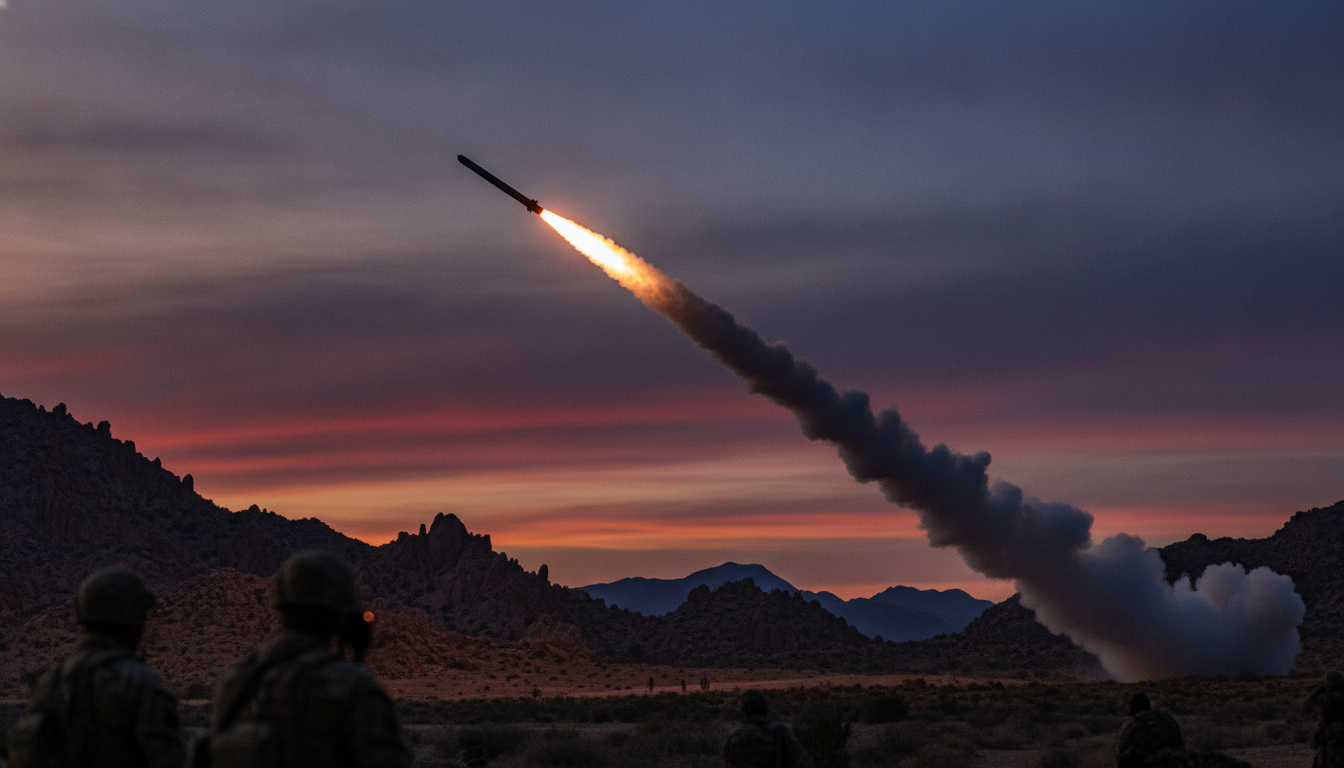
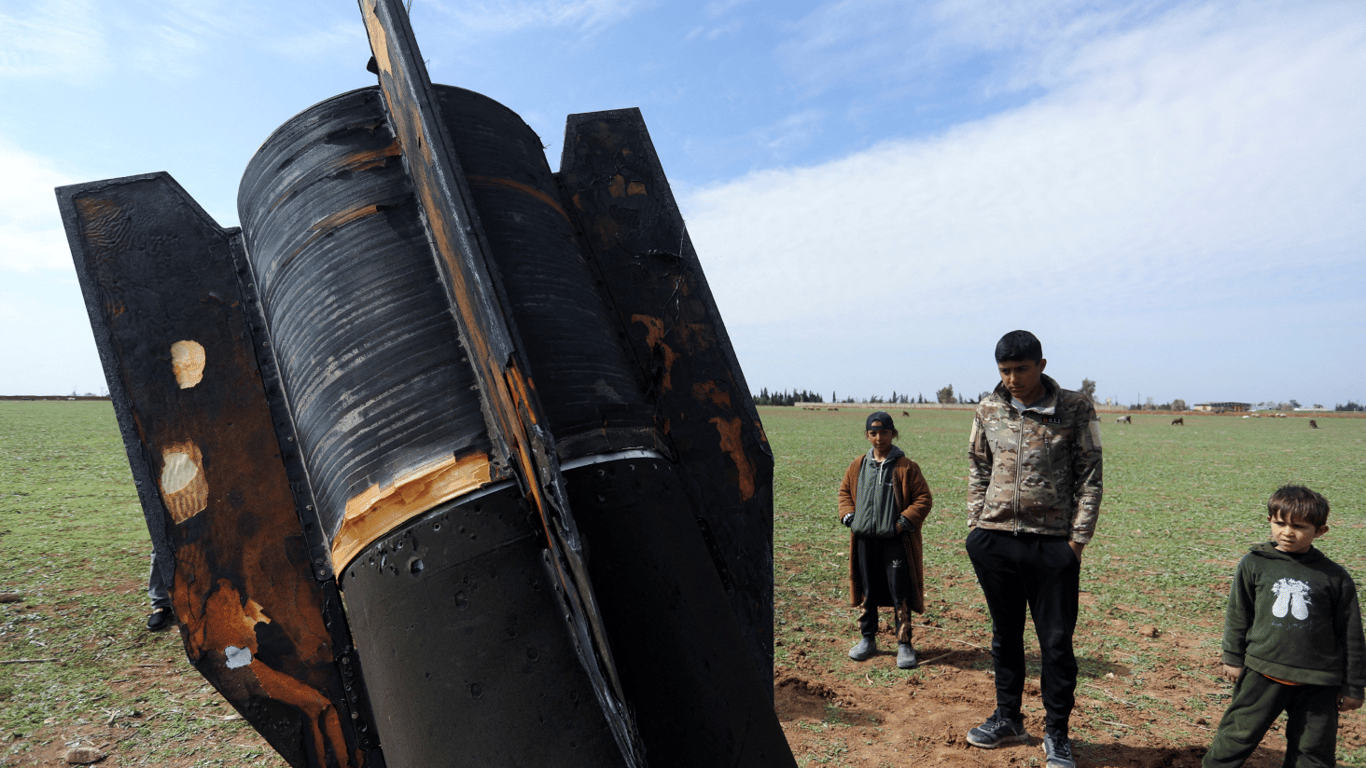
According to Novyny.live: On March 4, Iran fired a ballistic missile in the direction of Turkey. The missile was detected as it crossed the airspace of Iraq and Syria, indicating a potential regional threat. This aggressive action was promptly neutralized by NATO's air defense systems, which successfully intercepted and destroyed the target. The incident highlights the volatile security environment in the Middle East. The debris from the destroyed projectile fell in the Dörtyol district of Hatay province, but fortunately, no casualties or injuries were reported.
Regional Conflict Escalation
This event occurred against a backdrop of heightened regional tensions. Recently, Israel shot down a Russian-made Yak-130 aircraft inside Iran and struck a secret nuclear facility near Tehran. In response, Iran launched drone strikes targeting Dubai, where debris identified as coming from a Russian 'Geran-2' drone was found near the Jebel Ali port.
Rafael Grossi, Director General of the International Atomic Energy Agency (IAEA), has stated that there is currently no confirmation Iran is manufacturing a nuclear bomb. Yesterday, Israel attacked a building in Iran where elections for a new leader were being held following the elimination of Ali Khamenei. These events point to a dangerous escalation and the complex situation in the region, which demands close attention from the international community.
The interception of Iran's ballistic missile by NATO forces underscores the growing military tensions in the Middle East, where exchanges between Israel and Iran are becoming increasingly frequent. This latest provocation near a NATO member's border raises serious concerns. The critical need for a coordinated international response and renewed diplomatic efforts to contain a conflict with potentially severe regional security consequences is now more apparent than ever. The global community will continue to monitor the situation closely, as any further escalation could lead to significant humanitarian and political fallout.
Read also
- Khamenei’s Funeral Procession Reaches Iraq: Supreme Leader’s Coffin Taken to Shia Holy Sites
- Hundreds of Thousands Gather in Iran for Khamenei’s Funeral: July 4 Date Was No Coincidence
- Iran’s New Supreme Leader Mojtaba Khamenei Still Missing from Public View: What’s Going On?
- The $40 Billion Price Tag of America's War with Iran: How It Hit U.S. Households
- Trump Signs Landmark Deal with Iran: Ceasefire, Sanctions Relief, and Nuclear Terms Take Center Stage
- Over $3 Billion Unlocked for Iran by UAE in Deal to Halt Attacks