







Global Energy Crisis Looms as Qatar Halts Gas Exports Following Drone Strike.
New Pressures on World Energy Markets
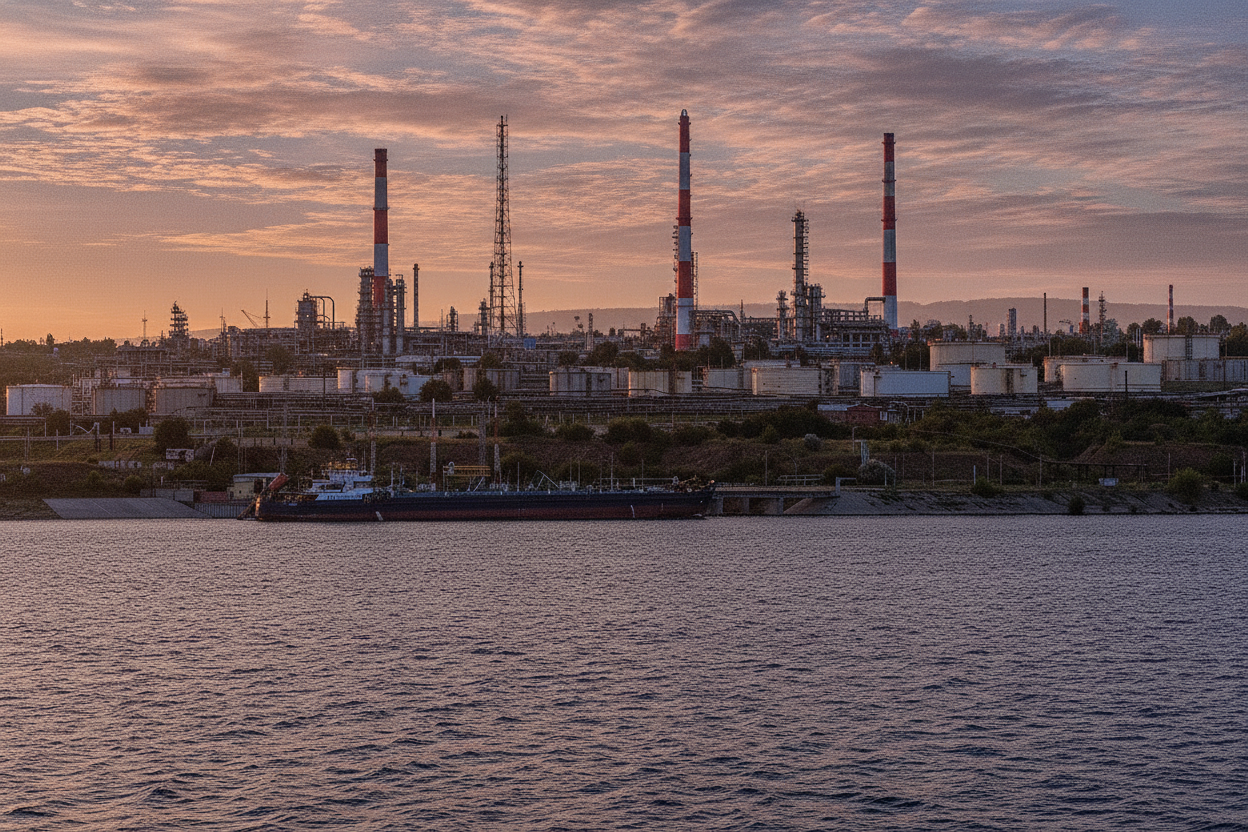
According to TSN.ua: A drone attack by Iran on Qatar’s Ras Laffan facility has brought the global energy sector to a critical juncture, threatening the stability of gas supplies from the Persian Gulf. The strike knocked out roughly 17% of the country’s export capacity, raising alarms among analysts about severe repercussions for international markets. This incident underscores the fragility of the liquefied natural gas (LNG) supply chain, which already operates with minimal buffer stocks.
Repair efforts at the damaged complex could take up to five years, sparking deep concern in nations heavily reliant on Qatari gas. Pakistan, which depends on Qatar for 99% of its supply, has already warned that its power plants may shut down by mid-April. The lack of reserve capacity leaves the LNG market especially vulnerable to such shocks, with no safety net to absorb the disruption.
Economic Fallout and Geopolitical Tensions
A single shipment of gas to Asia now costs around $80 million, and countries across South and Southeast Asia account for 80% of Qatar’s exports. While the European Union holds roughly a month’s worth of reserves, the overall situation remains dire. Experts like Soul Kavonic warn that
“we are steadily moving toward a gas apocalypse scenario,”highlighting the gravity of the crisis.
The threat to Europe and the potential for a price war triggered by gas shortages are now seen as direct consequences of the events in Qatar. As the market grapples with these challenges, attention is turning to who might benefit from a potential gas collapse. This crisis is testing global energy security and stability like never before.
The disruption in Qatar is set to reshape energy markets worldwide, intensifying competition for resources and driving up gas prices. Countries dependent on Qatari supplies are already feeling the strain, and this could fuel new geopolitical conflicts. Observers believe the incident may accelerate the search for alternative energy sources and spur investment in renewable technologies, as nations seek to reduce their reliance on volatile natural gas imports.
Read also
- Ukraine Faces 4.5 Million Worker Shortage: Government Outlines Key Strategy to Tackle Labor Crisis
- Full Deposit Repayment After Bank Failure in Ukraine: Key Details for Savers
- EU Disburses €2.8 Billion to Ukraine: How This Affects the National Budget
- Ukraine to Receive €5.9 Billion for Drones as First Installment of €90 Billion Loan
- New Income Caps Could Drive 200,000 Sole Proprietors into the Shadow Economy
- Despite Budget Deficit, Ukraine Allocates 3.5 Billion Hryvnias for Road Repairs