Which floors in new buildings should be avoided: experts reveal the risks.

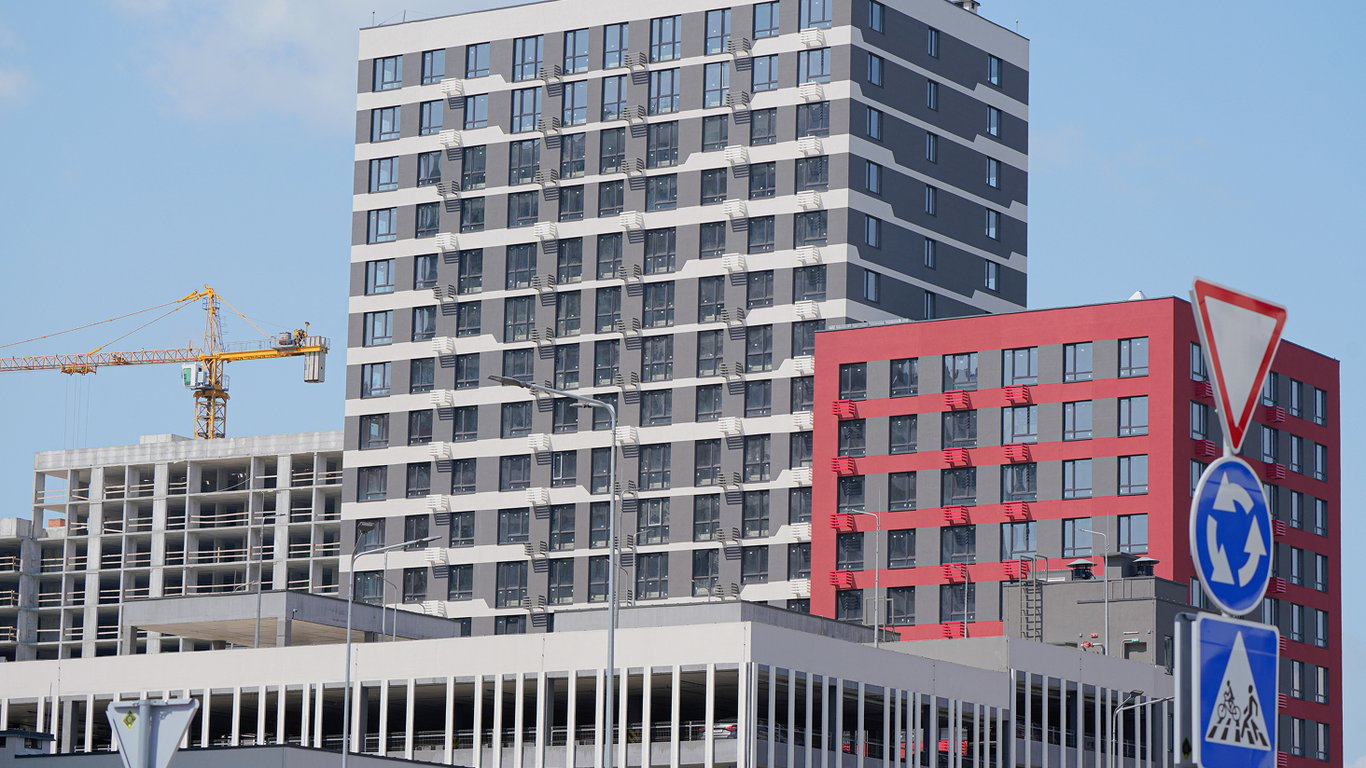
Choosing a floor is one of the most important details when buying an apartment in a new building. A mistake at this stage can reduce comfort, affect safety, and liquidity of housing. Certain floors have significant disadvantages that should be considered before signing a contract.
The editorial team of Novyny.LIVE explains which floors in new buildings are better to avoid.
Why it's important to choose the right floor in a new building
Each level of a building has its own features. The first floor often attracts with its price and accessibility, middle floors offer a balance of convenience, upper floors provide views and tranquility. However, there are options that can bring more problems than advantages.
'People often choose a floor based only on price or the view from the window. But in practice, mistakes in this decision manifest themselves only after moving in, when everyday inconveniences or safety issues arise.', emphasizes real estate expert Oksana Bereshchak.
Why the first floor can be a poor choice
The first floor seems convenient: no elevator needed, easy evacuation in case of fire, lower price by 10-15%. But in reality, there are significant downsides:
- high risk of intrusion by criminals;
- need for installing bars and alarms;
- noise and dust from the street;
- dampness and odors from the basement;
- low level of natural lighting.
'In old buildings, apartments on the first floors suffer from basement problems. Even in new buildings, it is not always possible to avoid dampness or intrusion of foreign odors.', says Bereshchak.
The second floor and its hidden drawbacks
The second floor is often seen as a compromise, but there are nuances here too. If shops or cafes are located below, one will have to cope with noise and smells. Dust and exhaust from the street are still noticeable, and the price of housing is usually not as low as that of the first floor.
An additional drawback is low privacy, as windows are at eye level of passersby or neighbors across the street.
Why upper floors are also not always suitable
Upper levels attract with beautiful views and clean air, but they have their own risks:
- strong dependency on the elevator;
- challenges during moving and delivery of furniture;
- higher risks during a fire;
- in regions with military threats — increased danger during kamikaze drone attacks;
- possible overheating of the apartment in summer.
'Psychological discomfort due to height is another underrated factor. Some people experience dizziness or anxiety, even if an apartment with panoramic windows looks luxurious.', say specialists from the real estate agency 'Mayak.'
The top floor and roof problems
Even in new buildings, the top floor has additional risks — possible roof leaks and temperature fluctuations. In old buildings, these problems are exacerbated, as roof repairs are often postponed for years.
Also, the top floor means maximum dependency on the elevator and potential difficulties with evacuation.
Which floors are best to avoid
The highest risks for comfortable living are on the first, second, and top floors. Choosing a middle-level floor usually provides a balance between safety, convenience, and cost.
Before buying, it is worth weighing not only architectural advantages but also everyday, psychological, and even safety factors.
'It’s better to spend more time choosing and visit the apartment multiple times at different times of the day than to regret your floor choice later.', says Bereshchak.
The Ukrainian real estate market is stabilizing, and moderate price growth of around 10% is expected in the second half of 2025. Demand traditionally increases from August to October, which may lead to a noticeable increase in both buying and rental prices. Buyer and renter activity remains at last year's level, and in budget segments, such as economy and comfort class, demand is even increasing. This indicates that interest in purchasing housing does not fade, but demand is shifting towards more affordable offerings.
Read also
- Three Ukrainians Without Documents Rescued from Occupied Territories Under Bring Kids Back UA Initiative
- Ukraine’s first underground kindergarten opens in Kharkiv, accommodating 260 children
- Ukraine's ports crippled by Russian strikes: 28 vessels hit, 21 killed
- 24 Children Rescued from Occupied Territories by Save Ukraine, Including Injured 13-Year-Old Anhelina
- Woman Faces Up to 7.5 Years in Prison After Attacking Children for Speaking Ukrainian in Poland
- One of the Most Recognizable Voices on Ukrainian Radio, Journalist Oleksandr, Has Passed Away