Ukraine's Human Rights Chief Reports Mobilization Abuses by Recruitment Officials.

Human Rights Violations During Mobilization Campaign
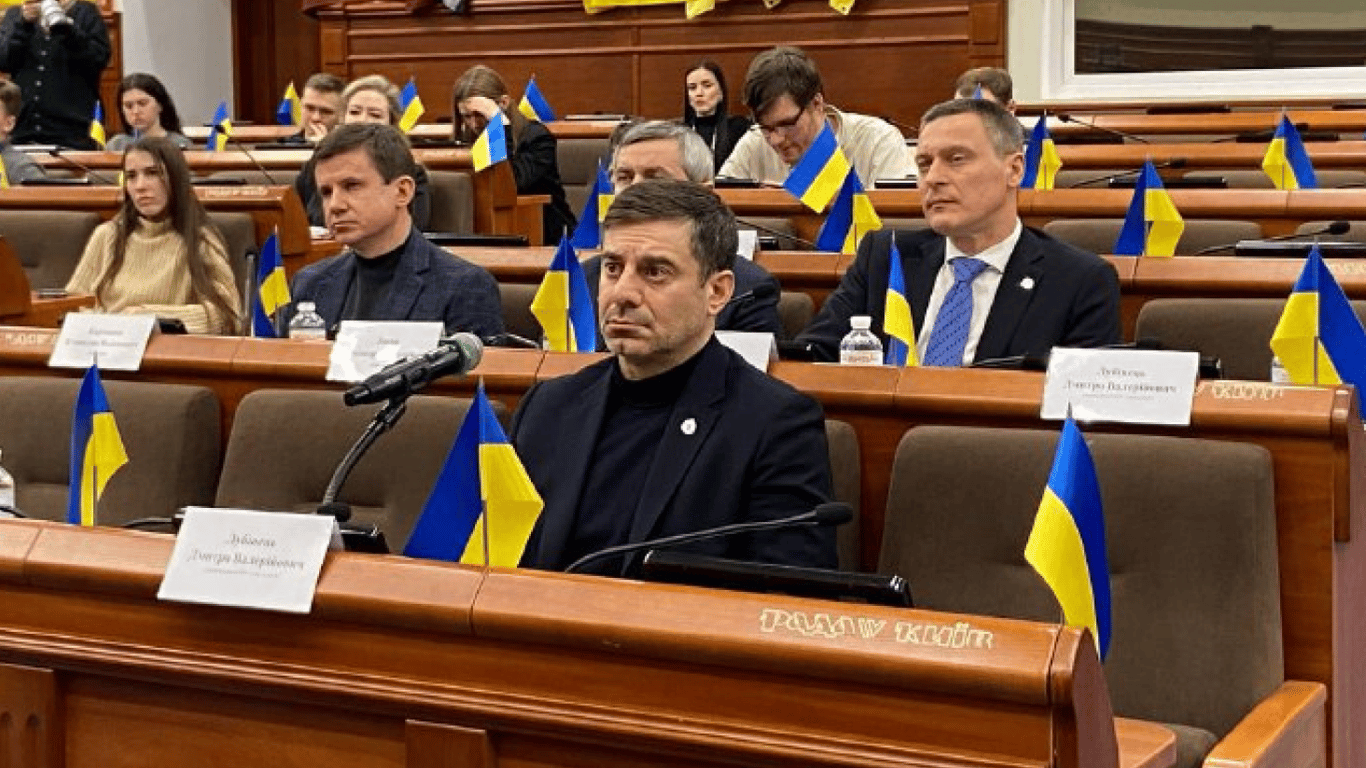
According to Novyny.live: Ukraine's Parliamentary Commissioner for Human Rights, Dmytro Lubinets, has reported widespread violations by officials at Territorial Recruitment Centers (TCCs) during mobilization efforts. He specifically noted that in 2025, TCC employees concealed their faces to avoid identification, an act which contravenes current Ukrainian law. These reports come amid a challenging national mobilization drive.
During a session of the Verkhovna Rada's Temporary Special Commission on February 9, information was presented detailing instances where TCC staff detained citizens without the involvement of police officers. Lubinets stressed that such actions constitute a direct violation of Ukrainian citizens' rights, as, according to legislation, only law enforcement agencies are authorized to check documents.
Severe Consequences of the Violations
In related developments, a court in Odesa has punished individuals for assaulting TCC workers at a market. Separately, in the Dnipropetrovsk region, three TCC servicemen were involved in the killing of a 55-year-old man. Lubinets emphasized that the act of TCC staff covering their faces is a serious violation that prevents the identification of individuals carrying out mobilization activities, undermining accountability.
This situation has raised significant concern among human rights defenders and casts doubt on the protection of human rights during Ukraine's mobilization process. The ongoing conflict has placed immense strain on the country's institutions and legal frameworks.
Lubinets's remarks underscore the critical importance of adhering to the rule of law during mobilization, a matter of particular urgency in the context of human rights. The documented violations could have severe consequences not only for those detained but also for the state's international reputation and for public trust in government authorities.
Read also
- Russian Strike on UNICEF Warehouse Destroys $3.9 Million in Humanitarian Aid
- Over 300 Ukrainian POWs Executed by Russian Forces, Ombudsman Reveals
- Ukraine’s Ombudsman Calls for Mobilization Overhaul, Warns Impunity at Recruitment Centers Is Radically Polarizing Society
- EU Council Sanctions Individuals for Torture of Ukrainian Prisoners: Full List Published
- Forced Child Evacuation Demanded After Ombudsman Flags Possible Abduction by Occupiers
- July 3rd Strike on Sumy: Four Dead Including a Child, 20 Wounded