















Odesa Under the Most Intense Shelling of the War: How the City Survives Without Light, Water, and Heat.

Odesa Under the Most Intense Shelling of the War: How the City Survives Without Light, Water, and Heat

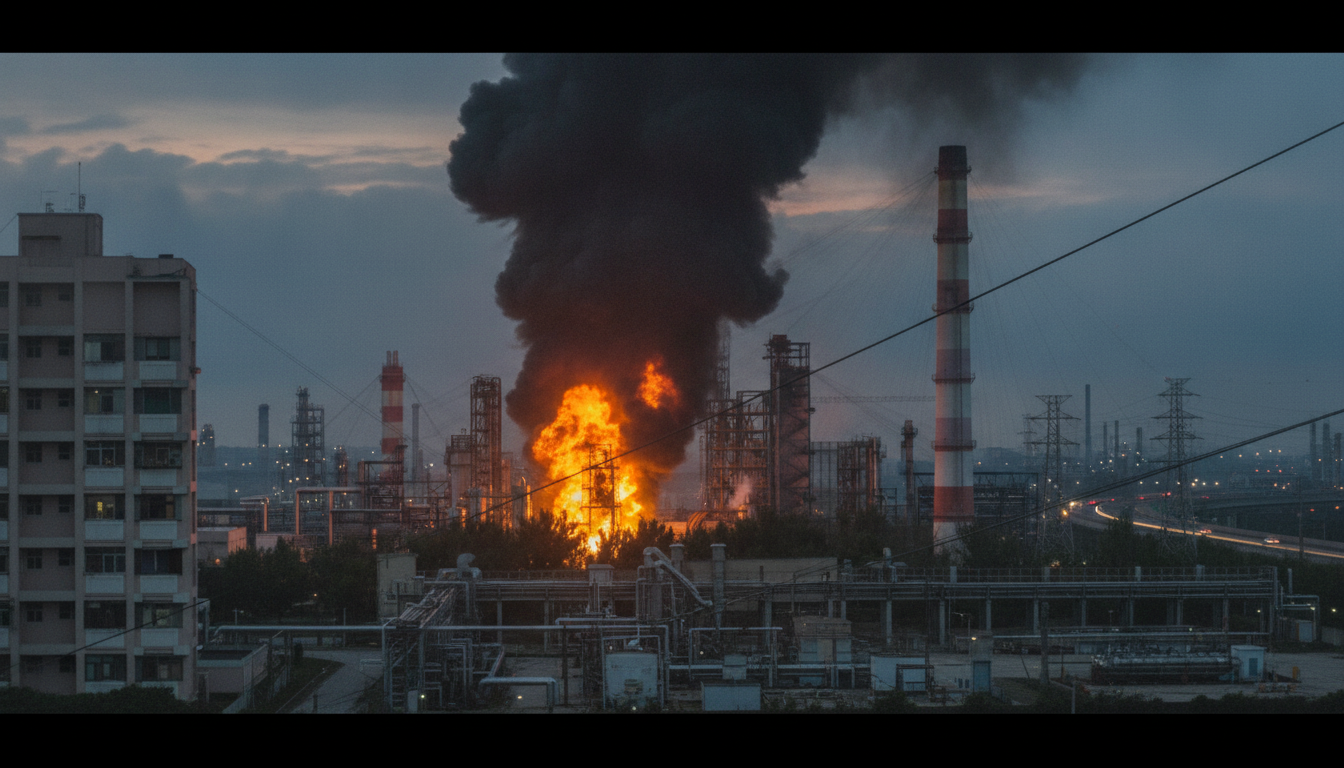
According to ТСН: In the last two weeks, Odesa has become the main target for Russian troops. Ukraine's largest port is under intense fire: the enemy is using a combination of missile and drone attacks that have reached an unprecedented level of destruction since the full-scale invasion began.

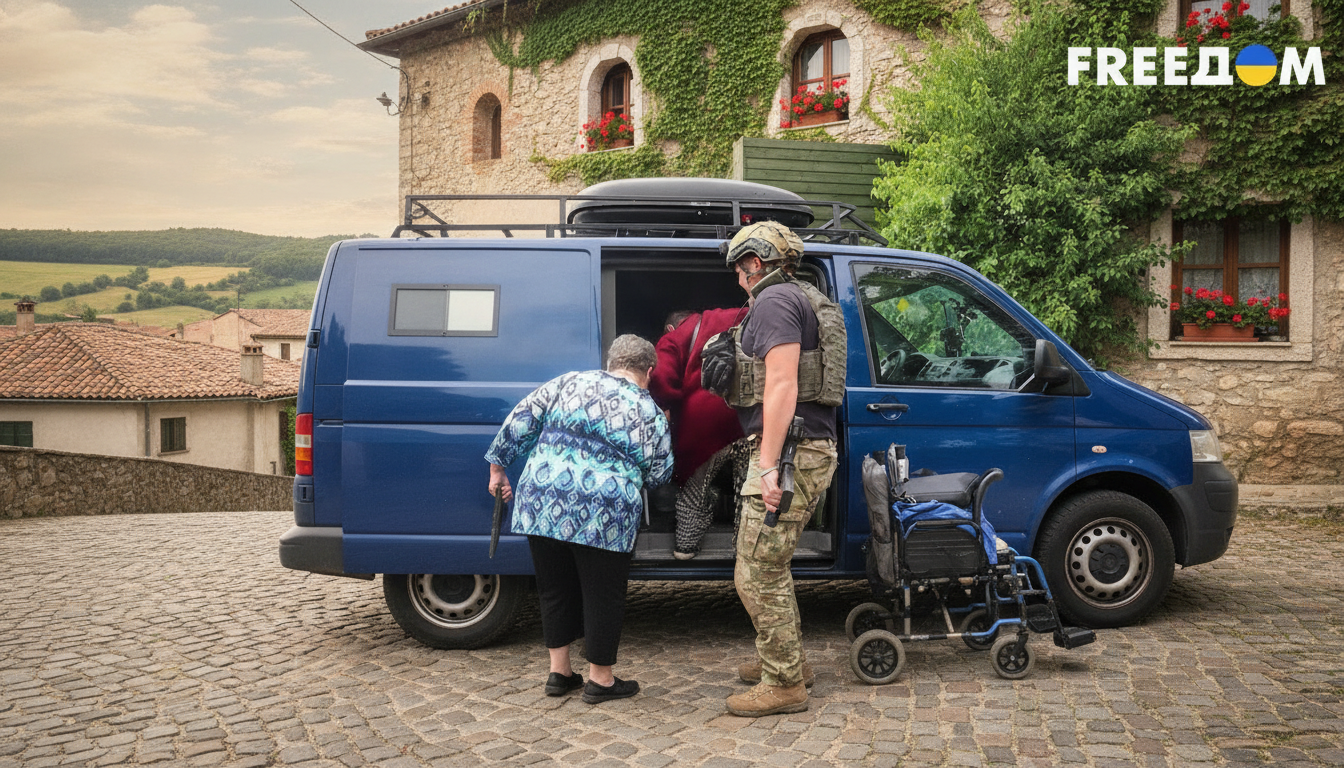
Residents of Odesa often find themselves without electricity, heating, and water. The article recounts the story of 64-year-old Tetiana Rybak, who cannot go down to the shelter due to health issues, so a social worker brings her water to the seventh floor.

“Psychologically, no one can withstand this anymore. My nervous system is completely shattered. Just yesterday evening, when the lights went out and the shelling began, the sirens were blaring — it was horrifically loud. But even more terrifying was the shock wave. My doors and windows were shaking, and I lay there, unable to run anywhere because there was nowhere to run.”

According to journalists, Ukrainians believe these attacks are a reaction by Russia to the strike on its “shadow fleet,” which is used for oil transportation and circumventing sanctions. It is known that while many other cities in Ukraine experience brief periods of calm, Odesa has suffered from continuous shelling since the morning of December 12.

The main targets of the Russian attacks are port and energy infrastructure. At least nine people have died.

How Odesa Lives Right Now

The lack of electricity, gas, and water for several days has forced Odesa residents to charge their phones at “points of invincibility” or stores, and to cook food on makeshift street stoves. Products like milk, eggs, and sour cream are kept on windowsills. Some are installing powerful generators so that neighbors can use electricity.

One man connected cables to a car battery and ran a wire to his apartment to power his fridge and washing machine. Another couple had a date at a fish restaurant during which the sounds of anti-aircraft guns shooting down drones could be heard. Dozens of Tesla drivers waited for hours at the only working charging station. 83-year-old Oleksiy Kolodchuk shared that the electricity and heating shutdowns are not critical for him; what upset him the most was that he forgot to put the borscht in the cold.

“Sometimes I think: if only I could approach Putin with a stick, I would hit him well on the head — maybe it would knock a little sense into him because something is clearly very wrong there.”

However, after a week without electricity, the patience of many Odesans is starting to wear thin. People are going out to protest, and elderly people especially find it hard to maintain optimism during the New Year celebrations under such conditions.

For elderly citizens who remember the times of the USSR, this war is particularly painful as Ukrainians find themselves facing Russians whom they once considered brothers. 73-year-old Magadan Farhiyev said he served in the Soviet army alongside Ukrainians and Russians for 25 years, and although he fought in Afghanistan, he no longer communicates with his relatives in Russia.

Earlier Russian attacks on the port of Pivdenny led to an environmental disaster in Odesa Oblast. Due to damage to tanks with sunflower oil, a significant amount of this product could have entered the Black Sea, leading to mass bird deaths and coastal pollution.

The situation in Odesa remains critical, and its residents continue to survive amidst war and constant attacks. The importance of support and attention to the inhabitants of this region remains extremely relevant, especially during this challenging winter period.


Read also

Advertising