






Advertising


Advertising


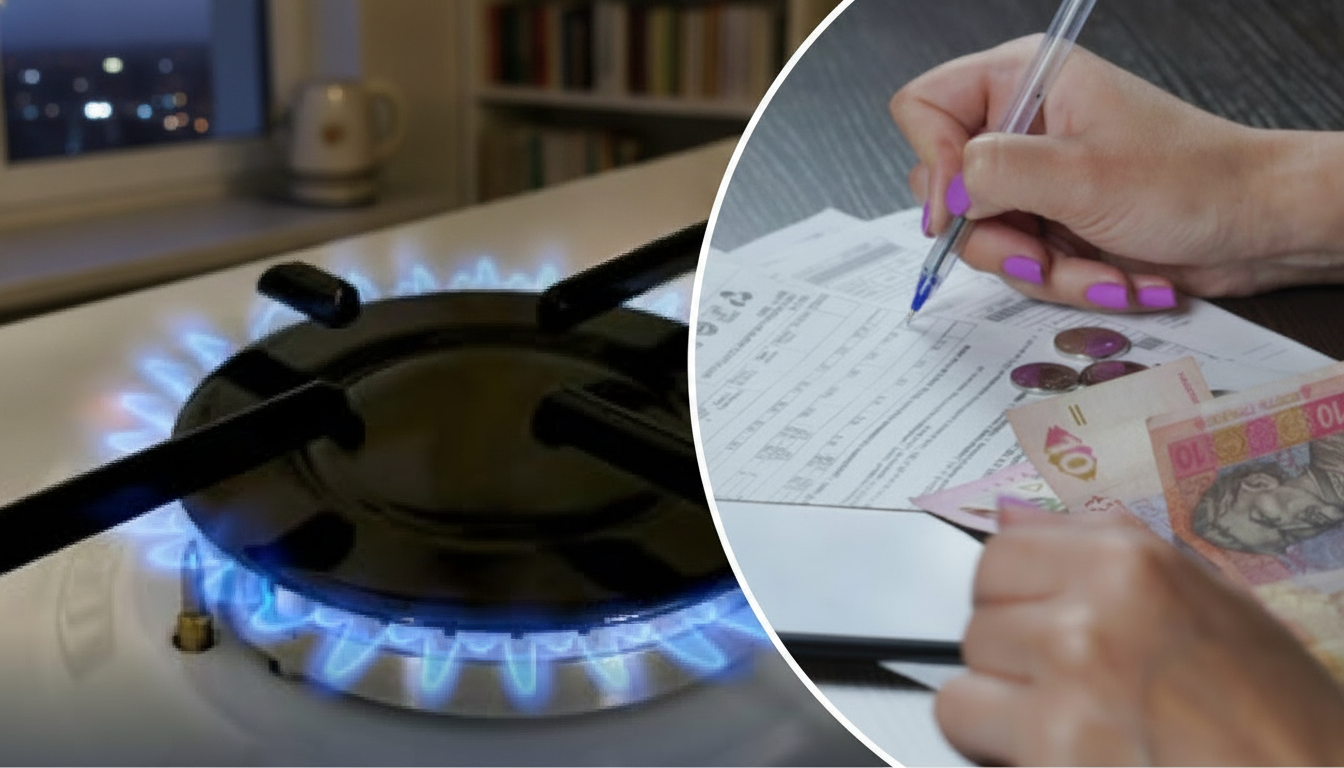

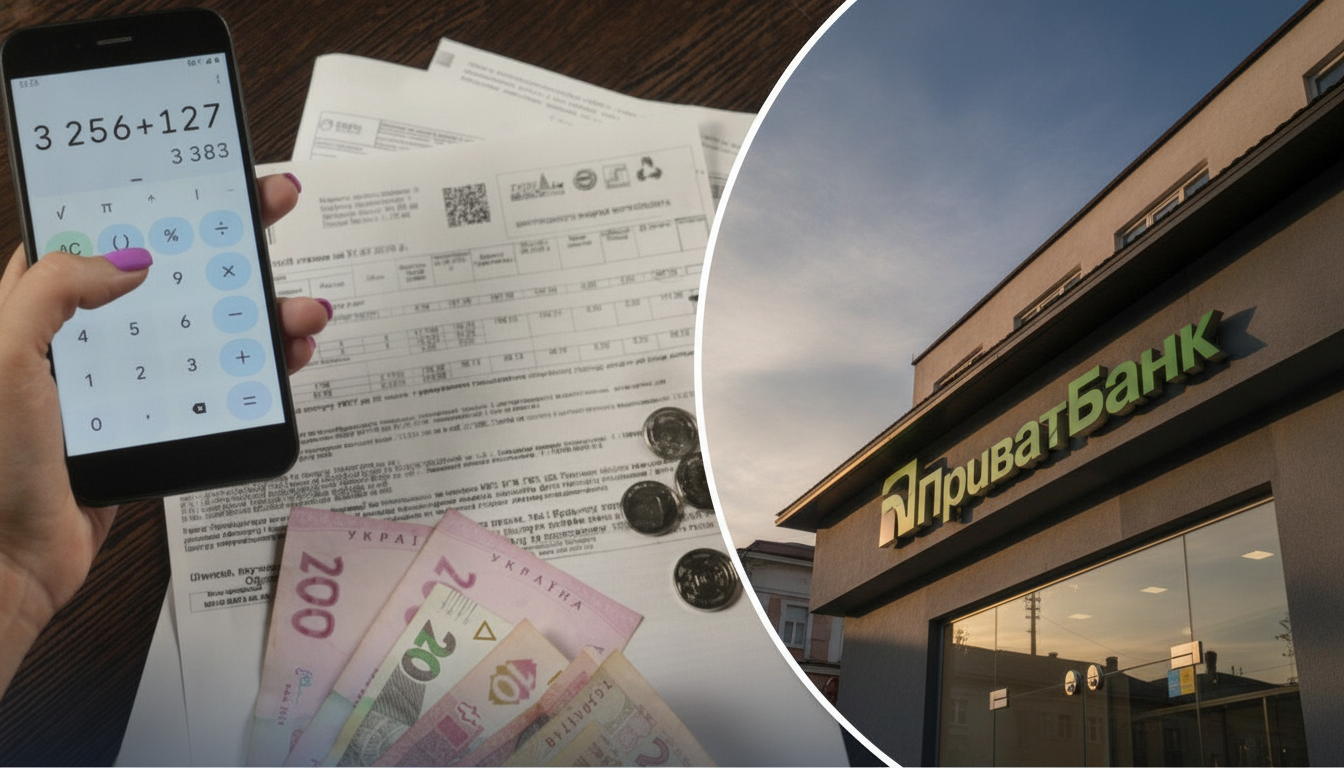
Utility Payments Get Cheaper: New PrivatBank Fee Structure Takes Effect in July
Paying for Housing and Utilities Through PrivatBank Starting in July 2026, PrivatBank customers can pay their utility bills with potential savings. Payments are accepted through several channels, including Privat24, self-service terminals, and by phone. This setup lets users handle their utility pay...
today, 08:54
250
Horoscope
LIFESTYLE
Tourism






Tech
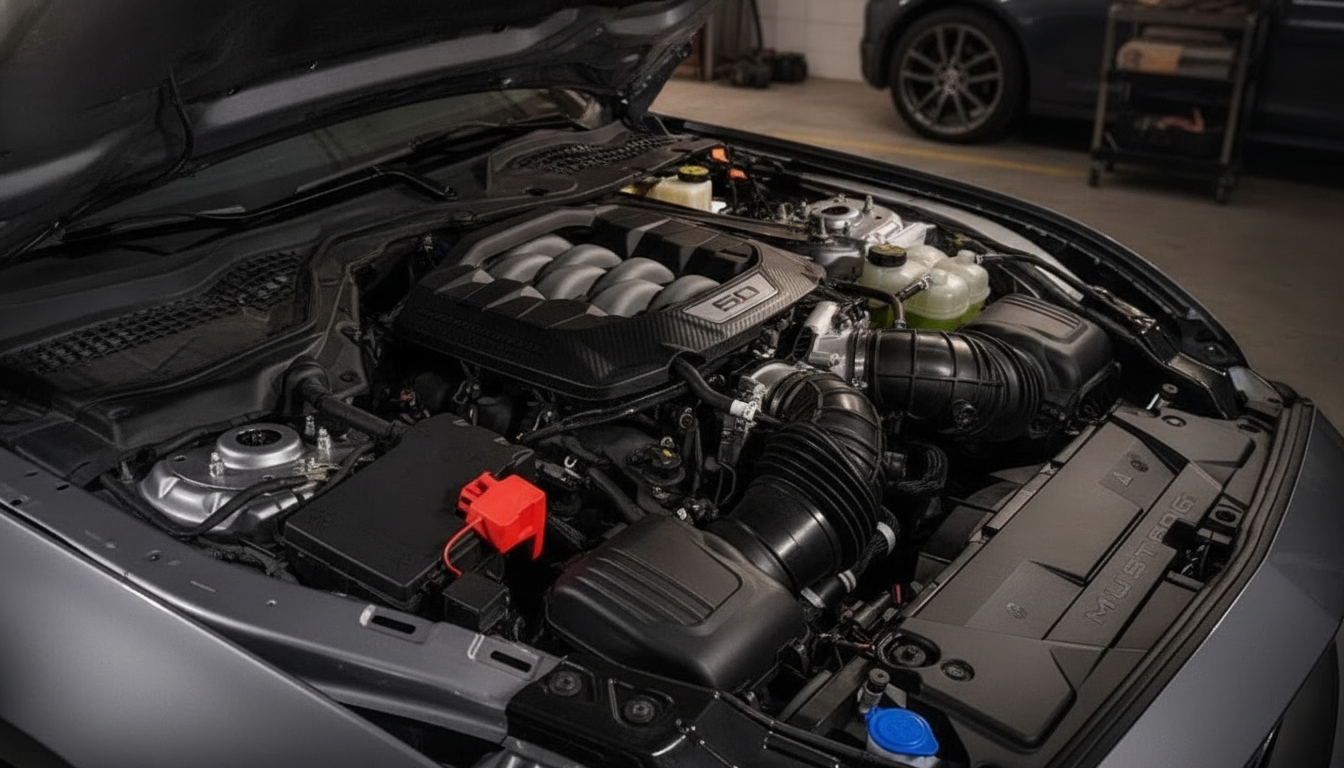

Engines That Last Decades: The World’s Most Reliable Powertrains
today, 08:30
283


Ukraine Deploys Domestically Produced Guided Bombs: Fedorov Reveals Key Details
yesterday, 20:54
408
Society


Showbiz



4 Nicholas Sparks Film Adaptations You Should Watch
yesterday, 20:18
412

The Best Submarine Movies: Top Captivating Sea Films
yesterday, 16:31
419
Sports




Croatia Unfazed by Portugal: Dalic Speaks Ahead of Round of 16 Clash
today, 08:00
290
Ukrainian Race Walker Shatters 36-Year-Old World Record in the Mile
today, 05:36
335
Tighter Boarding Rules from Ryanair and Wizz Air: What Travelers Need to Know
yesterday, 08:30
488