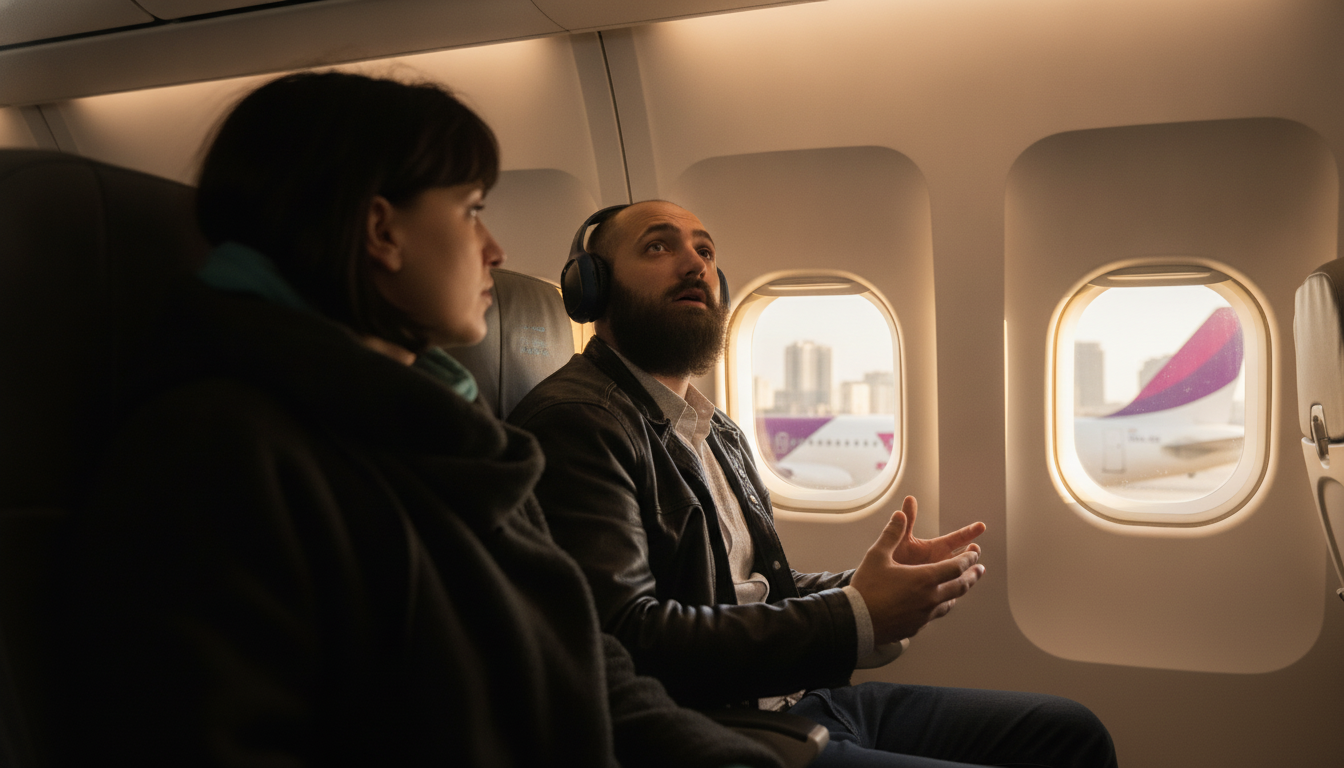









Sleep deprivation hits harder than obesity: new discovery by scientists about sleep.
According to ТСН: New research by scientists from the Oregon Health and Science University (OHSU) demonstrates that lack of sleep can affect life expectancy even more than unhealthy eating or a sedentary lifestyle.
According to the study, less than seven hours of sleep per day is considered insufficient. Even taking into account factors such as physical activity, education level, and employment, sleep deprivation remains a powerful indicator of reduced life expectancy. Only smoking poses an even more serious health risk.
“I did not expect that sleep deprivation would correlate so strongly with life expectancy,” said OHSU sleep physiologist Andrew McHill.
The impact of sleep deprivation on the body
Even one night without sleep can affect the brain's neural networks and the immune system, scientists explain. Prolonged sleep problems increase the risk of obesity, diabetes, and cardiovascular diseases, which in turn can shorten life.
While diet and physical activity are important, they do not have as strong an impact on life expectancy as quality sleep. It is also important to remember that social connections and regular exercise contribute to longevity, but insufficient sleep can negate their positive effects.
Experts recommend sticking to a sleep schedule, avoiding social media or news consumption before bed, and finding time to relax, such as through yoga or tai chi.
The American Academy of Sleep Medicine recommends sleeping at least seven hours a day and compensating for sleep deprivation on weekends.
“Sleep is not a luxury, but a key factor in health and longevity,” emphasizes McHill.
It is worth noting that about one in three adults sleeps insufficiently, but not everyone realizes how it affects their health. Scientists have established that even one “short” night of sleep can lead to negative consequences.
Overall, the importance of sleep for health is becoming increasingly recognized in the scientific community. In light of the research results, it is worth paying more attention to one’s sleep, as its quality can significantly affect overall health and life expectancy. A healthy habit of maintaining a sleep schedule can be the key to longevity and well-being.
Read also
- New Drug Doubles Survival in Pancreatic Cancer Patients: A Breakthrough in Treatment
- Flesh-Eating Parasite Discovered in Texas for First Time Since the 1980s—What It Means for the U.S
- Bacteria on Paper Money: How Long They Survive, Warns Doctor
- Military Personnel and Veterans Eligible for Spa Stay Reimbursements: What You Need to Know
- A Powerful G3-Class Geomagnetic Storm to Hit Earth on June 5: What It Means for You
- Troops May Face Repeat Medical Boards: Key Wording in Health Certificates