








The New START Treaty Expires in 2026: Could This Ignite a Fresh Nuclear Arms Race?.
The Looming End of New START and the Threat of a Renewed Nuclear Arms Race
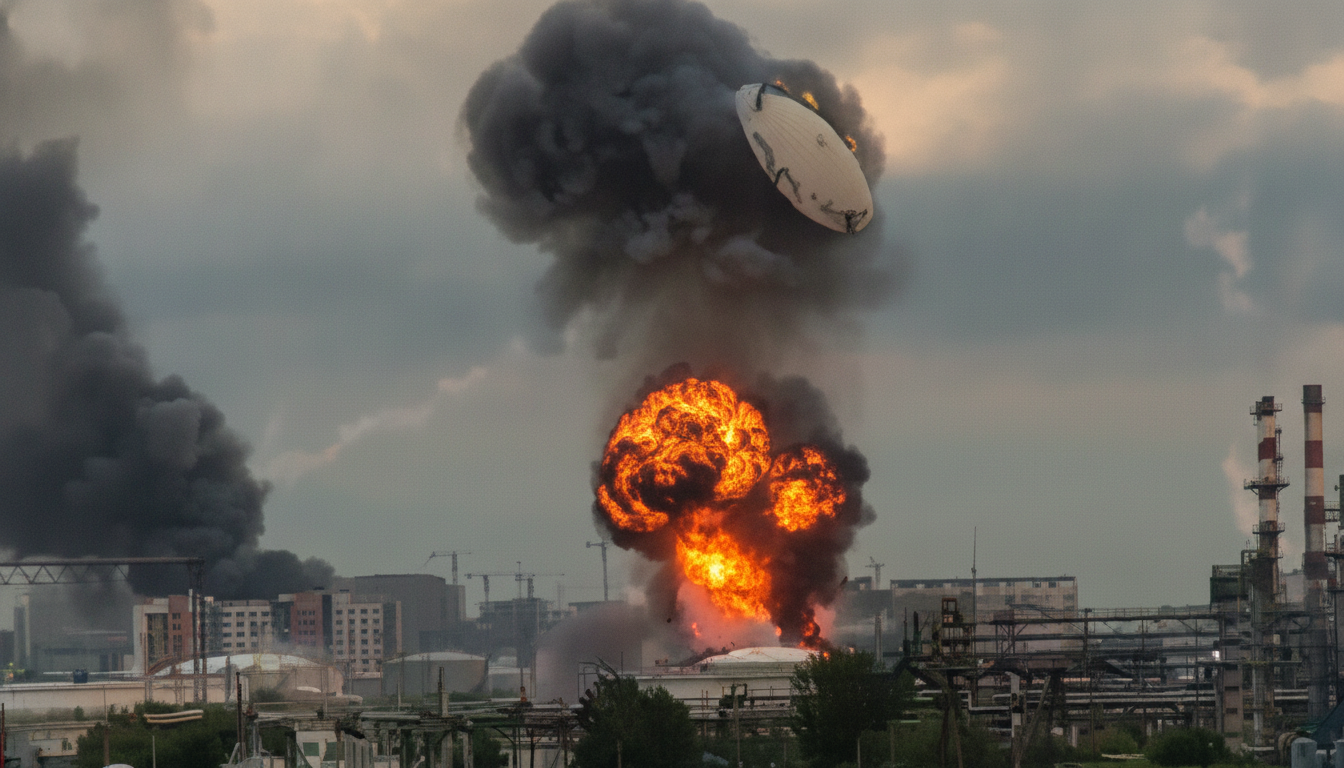
According to TSN.ua: The expiration of the New START treaty on February 5, 2026, could push the United States and Russia to the brink of a new nuclear arms competition. This pivotal moment would mark the end of over five decades of arms control efforts that have capped the size of both nations' nuclear stockpiles. Without a formal arms control framework in place, the risk of a nuclear confrontation could significantly increase, creating a dangerous new chapter in global security.
Signed in 2010 and extended in 2021, the New START treaty limits each country to 1,550 deployed strategic nuclear warheads. However, the international climate has deteriorated sharply since Russia's full-scale invasion of Ukraine in 2022. In 2023, Russian President Vladimir Putin suspended Russia's participation in the treaty, a move that alarmed the international community and cast doubt on its future.
"The treaty's expiration does not mean instant catastrophe or the start of a nuclear war, but this fact should still scare everyone."
Dmitry Medvedev, former President of Russia
Amid the current geopolitical tensions, China's evolving nuclear policy adds another layer of complexity. Analyst Vasily Kashin notes that this development poses a more significant challenge for the United States than for Russia. As the New START deadline approaches, the global agenda must expand to address not only U.S.-Russian relations but also the emerging nuclear challenges reshaping the strategic landscape.
Potential Consequences of the Treaty's Expiration
The lapse of the New START treaty could have severe implications for international security. The world is watching closely, aware that a new phase of nuclear competition may emerge unless ways are found to extend or replace existing arms control agreements. For decades, such treaties have provided a critical, if imperfect, measure of predictability and restraint.
The end of New START presents a substantial challenge to global stability. Given the heightened tensions between the U.S. and Russia, coupled with China's more active role in nuclear policy, the need for new arms control agreements or mechanisms is becoming increasingly urgent. Without such measures, competition in the nuclear sphere is likely to intensify, potentially leading to unpredictable and dangerous consequences for international security.
Read also
- Putin Breaks Silence on 'Oreshnik' Missile: What We Know About the Tests
- Putin Threatens Urban Areas with 'Oreshnik' Missile Strikes: Bila Tserkva and Donbas at Risk
- Putin Sets End-of-War Condition: The 'Anchorage Accords'
- Who Could Lead Talks with Russia? Czech Republic and Allies Explore Diplomatic Path
- Latvian Foreign Minister: No Progress in Peace Talks with Russia Unless Putin Revises His Objectives
- Russia Cuts 47,000 Paid University Slots: Higher Education Put on a War Footing