







Advertising

Advertising




EU Provides Ukraine with €3.9 Billion: Where the Funds Are Going
European Union Financial Aid to Ukraine Ukraine has received €3.9 billion from the European Union as the first installment of defense assistance, which will be allocated to drone production and front-line support. The total funding under the Ukraine Support Loan program has reached €7 billion. This ...
yesterday, 22:01
321


Russians Slash Spending on Food and Clothing: What This Means for the Economy
yesterday, 19:24
393
Horoscope
LIFESTYLE



Tourism







You Don’t Always Have to Unplug Your Kettle: When It Actually Matters
yesterday, 17:54
305
Three-Ingredient Homemade Cherry Liqueur: A Simple Recipe
yesterday, 16:42
314
5 Essential Garden Survival Tips for Ukraine’s Heatwave to Protect Your Harvest
yesterday, 16:36
330
Tech



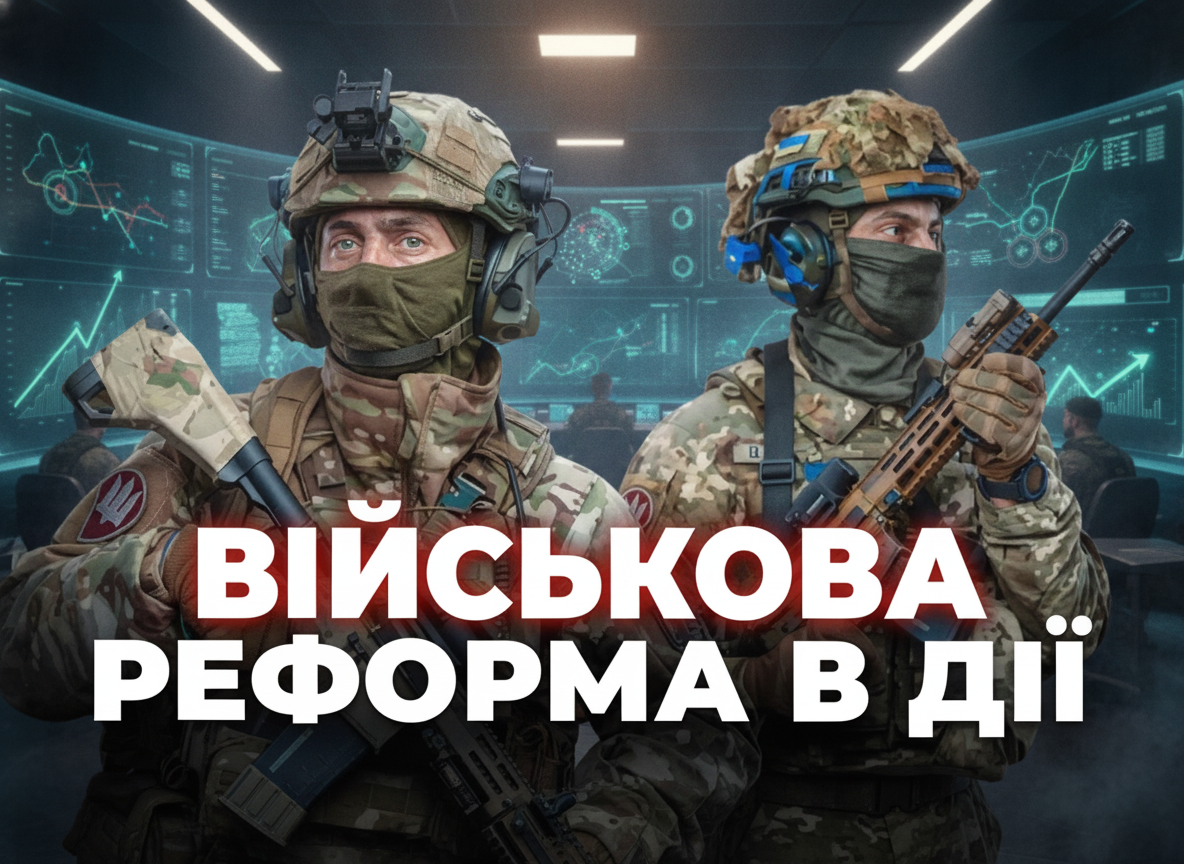
Ukraine Launches 'Basic Supply Level' Initiative: What Troops Will Receive
yesterday, 21:06
360
Owners Beware: These Luxury Cars Come with Sky-High Maintenance Costs
yesterday, 16:30
328
EU Allocates €3.9 Billion to Ukraine for Drone Technology: What It Means for Defense
yesterday, 16:24
332
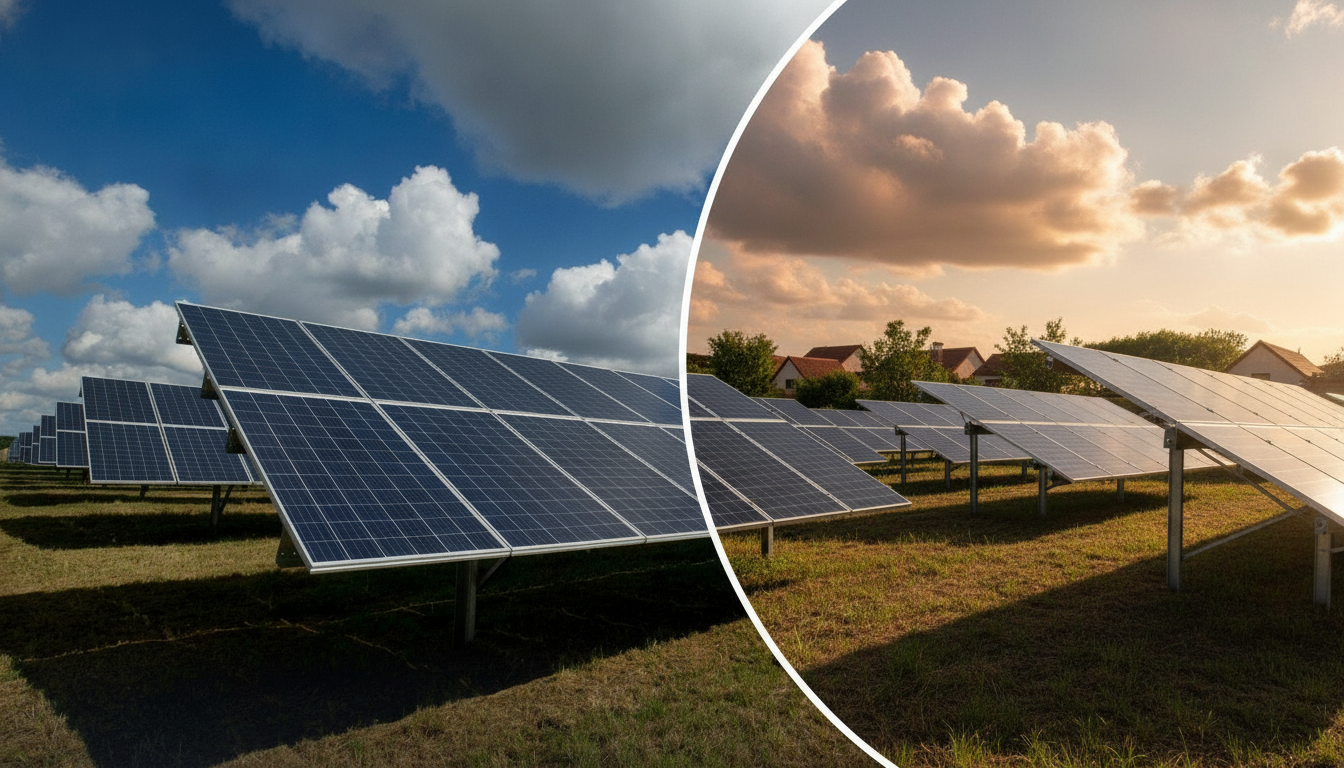
Why Your Location in Ukraine Determines How Many Solar Panels You Need at Home
yesterday, 15:48
339
Society




Showbiz


Christmas Movies for the Whole Family: The Best and Most Interesting Films
yesterday, 21:49
344


Sports




Summer 2026 Flights on Sale: Ryanair Fares Start at Just €14
yesterday, 17:42
299
Spain’s Renfe Adds 21.6 Million Train Seats for Summer 2026: Route Breakdown
yesterday, 13:30
328
Rome Airports May Suspend Border Checks to Prevent Summer Travel Chaos
yesterday, 08:42
503
Family Vacation in Odesa 2026: What a Trip with a Child Really Costs
yesterday, 03:48
391