









Advertising




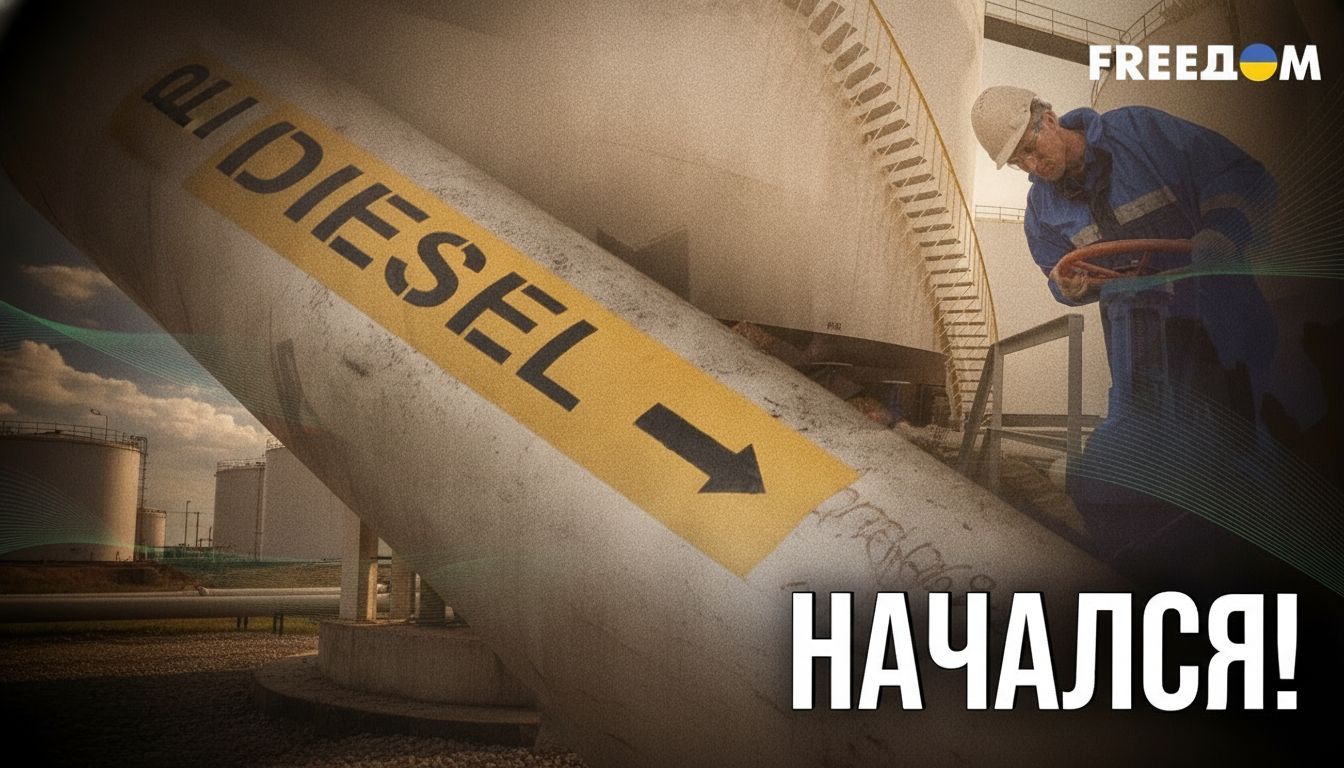
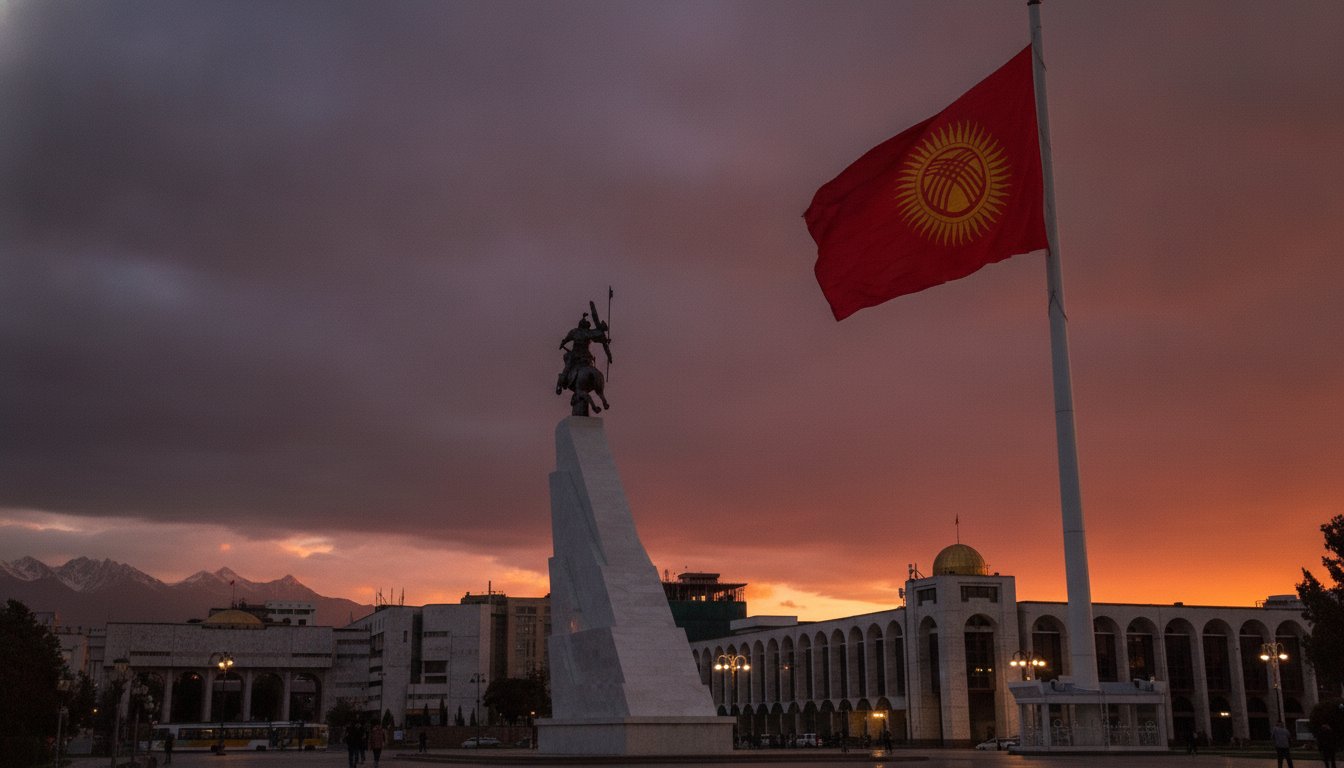
Kyrgyzstan Scrambles for Fuel as China and Belarus Step In to Replace Russia
Fuel Supply Crisis in Kyrgyzstan Kyrgyzstan is facing a severe fuel shortage after Russia, its primary supplier, reduced exports. Over 90% of the country's gasoline comes from Russia, but a domestic fuel crunch in Russia since late May 2023 has disrupted deliveries to Kyrgyzstan. In response, Kyrgyz...
today, 00:18
504
UDP Leadership Accused of Asset Theft: Losses Hit $7 Million
yesterday, 20:36
440
Horoscope
LIFESTYLE
Tourism





Tech


NVIDIA to Skip RTX 60 in 2027, Launching RTX 50 Super Instead
yesterday, 19:48
503
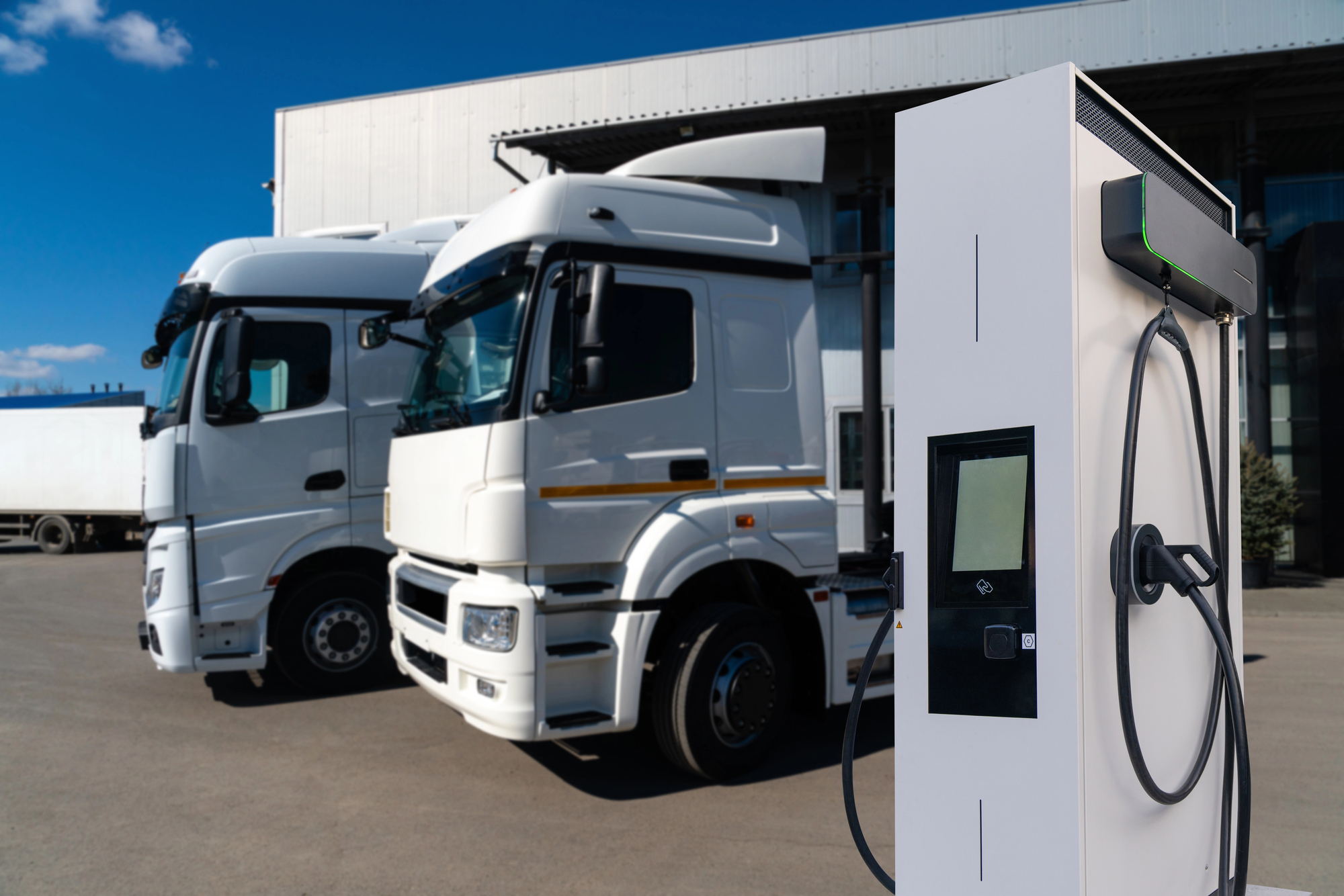
CATL unveils electric truck battery that charges in just 7 minutes
yesterday, 15:54
421

Society


Showbiz




Sports



Olympic Champion Beleniuk Fires Sharp Criticism at IOC Over Russian Athlete Decision
yesterday, 23:12
446
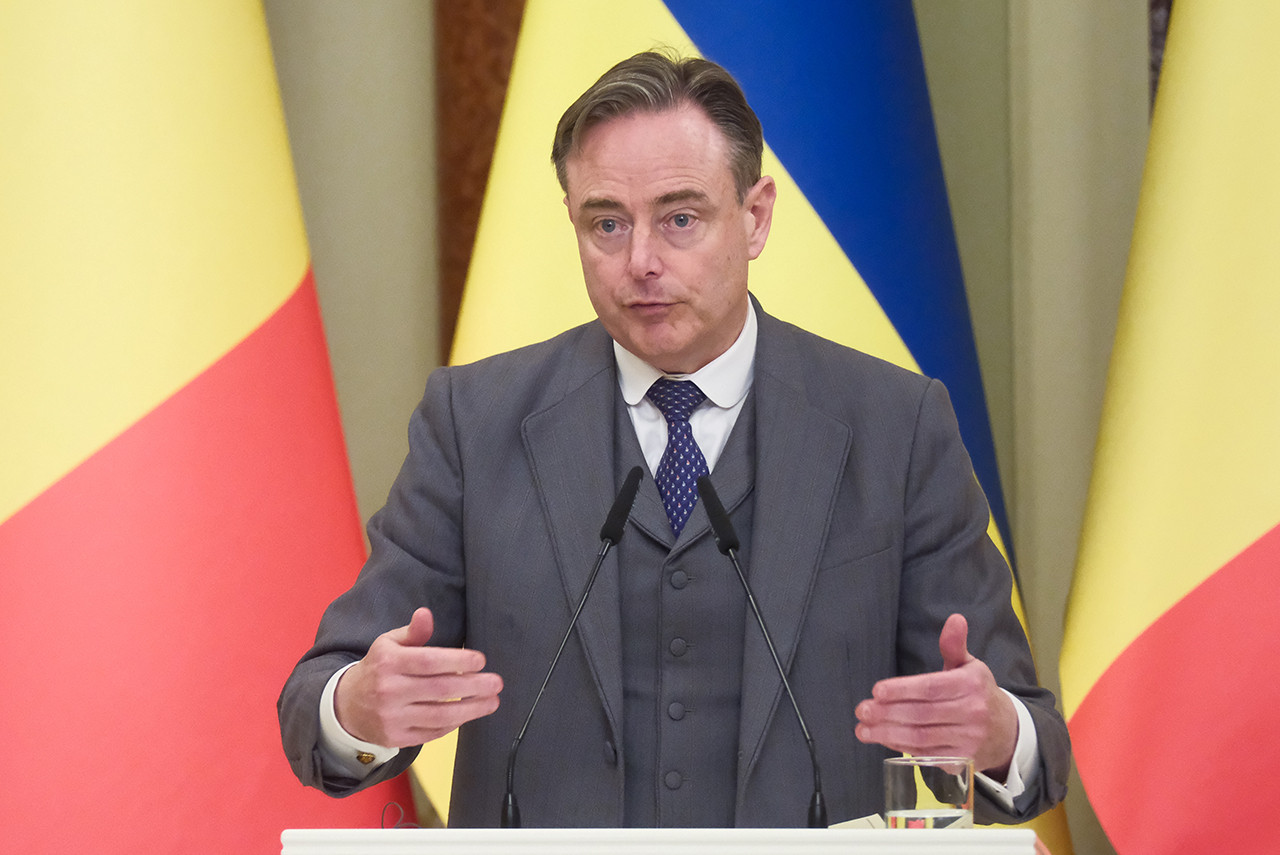
Belgian Prime Minister Announces Football Victory Over the US During NATO Summit
yesterday, 23:06
434
Russian athletes cleared to compete again as FIVB lifts ban on volleyball teams
yesterday, 22:36
472
Marta Kostyuk Reaches Wimbledon Semifinals for the First Time: Match Score Revealed
yesterday, 18:48
442