







How the CIA Knew Putin's Invasion Plans and Why Europe Chose to Disregard Them.

How the CIA Knew Putin's Invasion Plans and Why Europe Chose to Disregard Them

The Fourth Anniversary of the Invasion

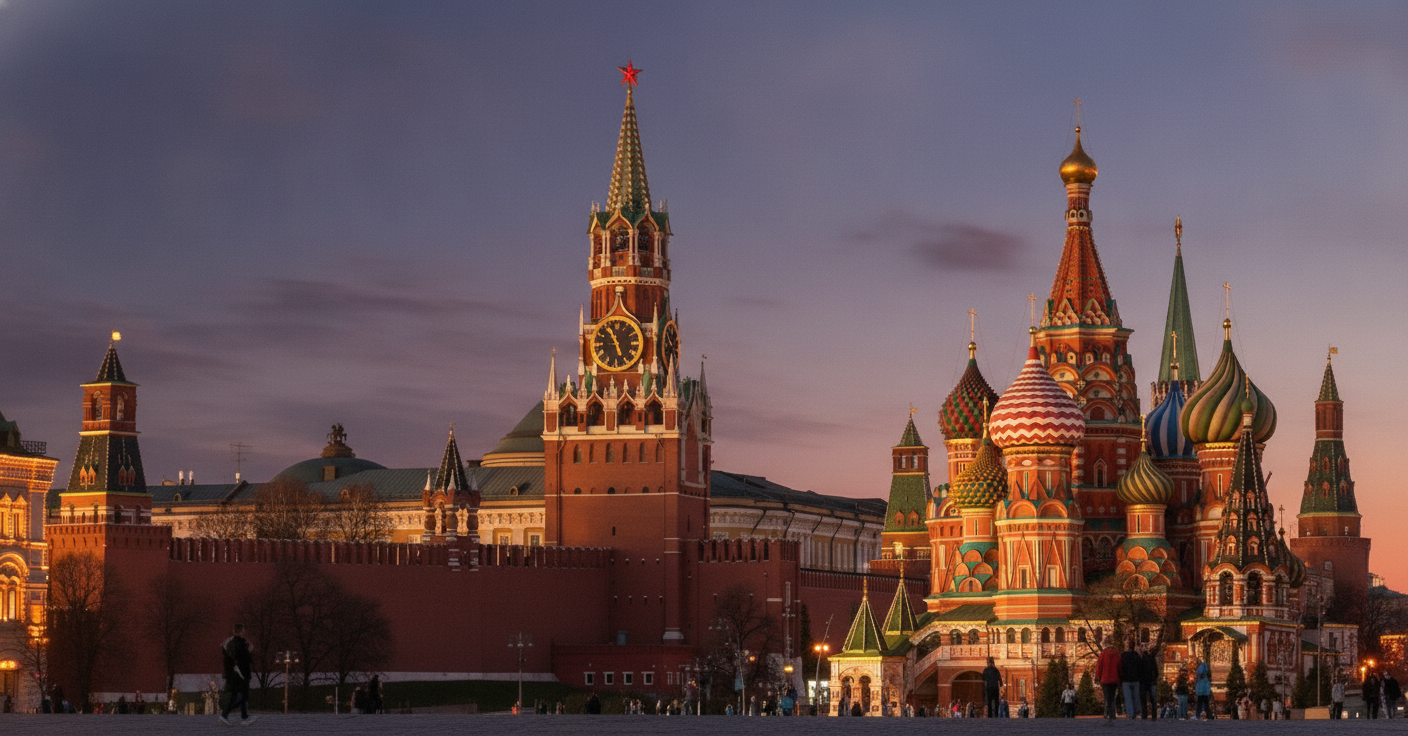
According to TSN.ua: As the fourth anniversary of Russia's full-scale invasion of Ukraine approaches, an analysis of the preceding events reveals a complex geopolitical landscape. In November 2021, CIA Director William Burns traveled to Moscow in an attempt to convey to Russian President Vladimir Putin the severe consequences a potential assault on Ukraine would entail. Putin's dismissal of these warnings signaled his unwavering determination to proceed with his designs for Ukraine, highlighting a critical failure in deterrence.

The Situation in Autumn 2021

During the autumn of 2021, U.S. Director of National Intelligence Avril Haines presented intelligence on the massing of Russian troops, raising alarms in Ukraine and among European nations. At that time, Commander-in-Chief of the Ukrainian Armed Forces, Valeriy Zaluzhnyi, advocated for the declaration of martial law, underscoring the perceived gravity of the Russian threat. However, as U.S. National Security Advisor Jake Sullivan noted,

"they were simply convinced it didn't make sense"
—a statement pointing to a significant underestimation of the situation by European leaders. This skepticism persisted despite mounting evidence, reflecting deep-seated divisions within NATO regarding the Kremlin's true intentions.

Further examination indicates that Putin concealed his invasion plans even from his inner circle, demonstrating the secretive and insular nature of Russian leadership. The Russian strategy envisioned a swift, surgical operation to topple the Ukrainian government. Against this backdrop of escalating tension, Ukrainian President Volodymyr Zelenskyy observed,

"the situation remains complex,"
capturing the profound anxiety that gripped the nation on the eve of the war.

Consequently, the prelude to the war exposes strained international relations, a widespread underestimation of the Russian threat, and a lack of preparedness among European states for potential aggression. The run-up to the conflict and the initial response to it remain crucial subjects for analysis in understanding the ongoing war in Ukraine.

Assessing the events leading to the invasion underscores the critical importance of international security cooperation and the necessity of timely responses to threats. Learning from the past, nations must strengthen mechanisms for preventing and countering aggression to avert similar crises in the future. In light of the invasion's anniversary, these issues remain vitally important for ensuring stability in the region and for the broader security architecture of Europe.


Read also

Advertising