




Three Reasons for Optimism in Ukraine as Finnish President Highlights Western Disunity.

Finnish president on support for Ukraine

Pessimism on Sanctions, Yet Hope for Ukraine

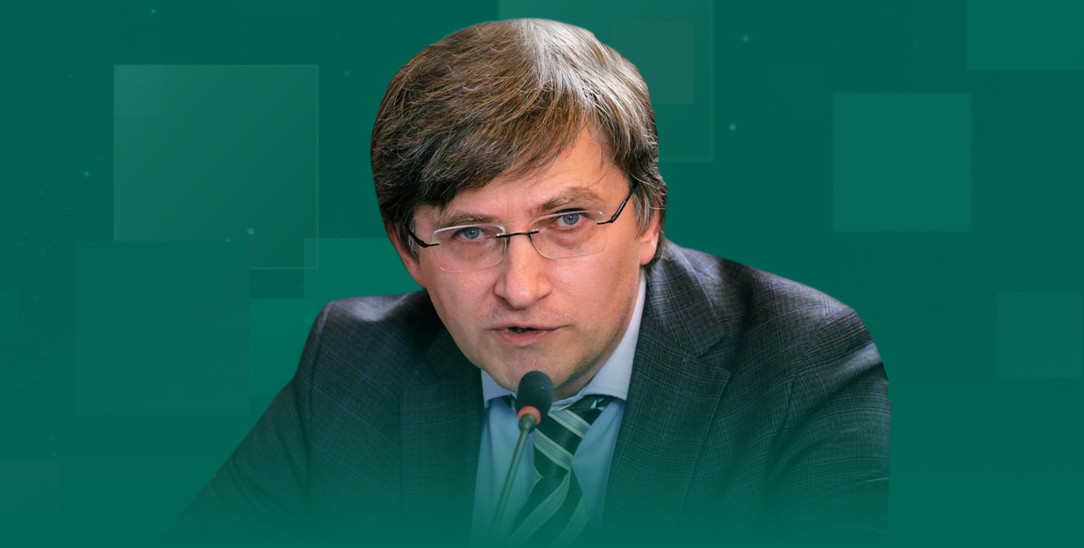
According to TSN.ua: Finnish President Alexander Stubb has expressed doubt about the effectiveness of sanctions against Russia, pointing to a growing rift within the Western alliance. At the same time, he identified three factors that could give Ukraine reason for optimism. Stubb emphasized the need to salvage what remains possible, stating:

“Save what you can.”

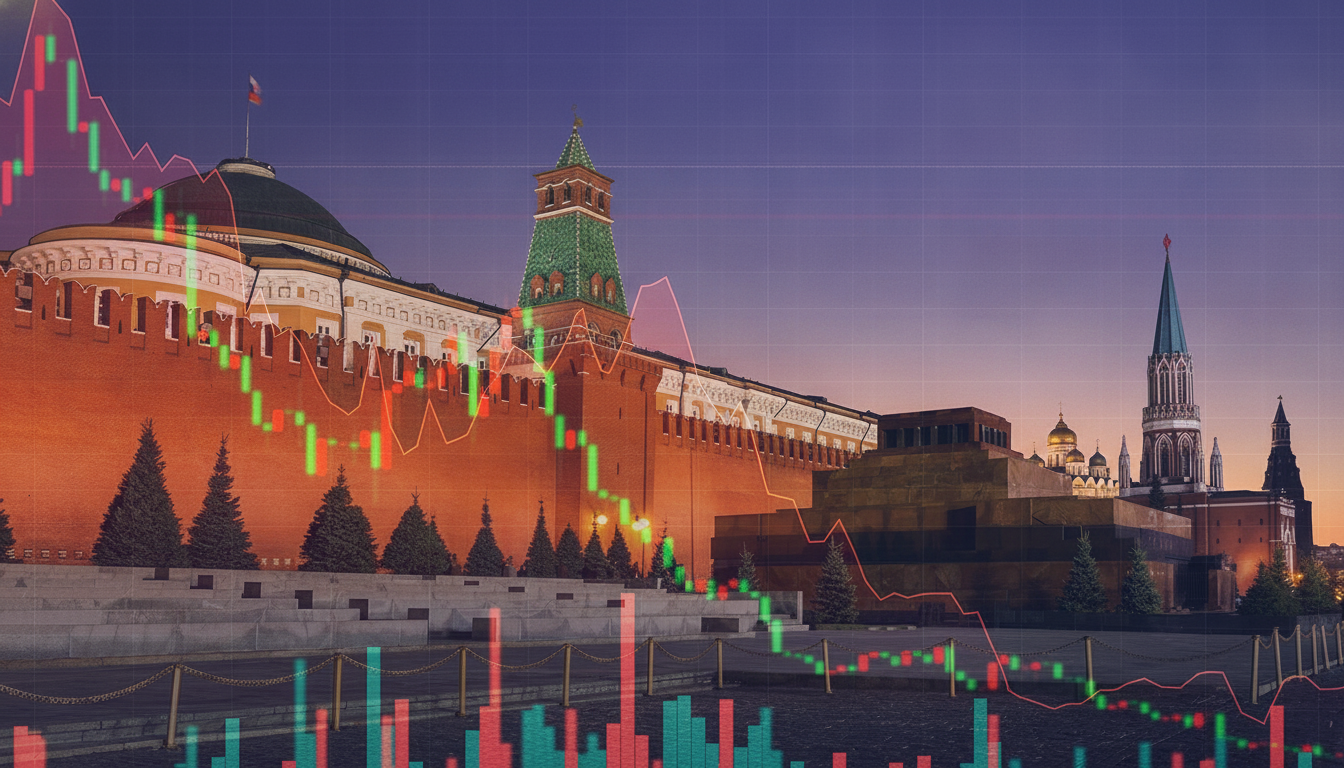
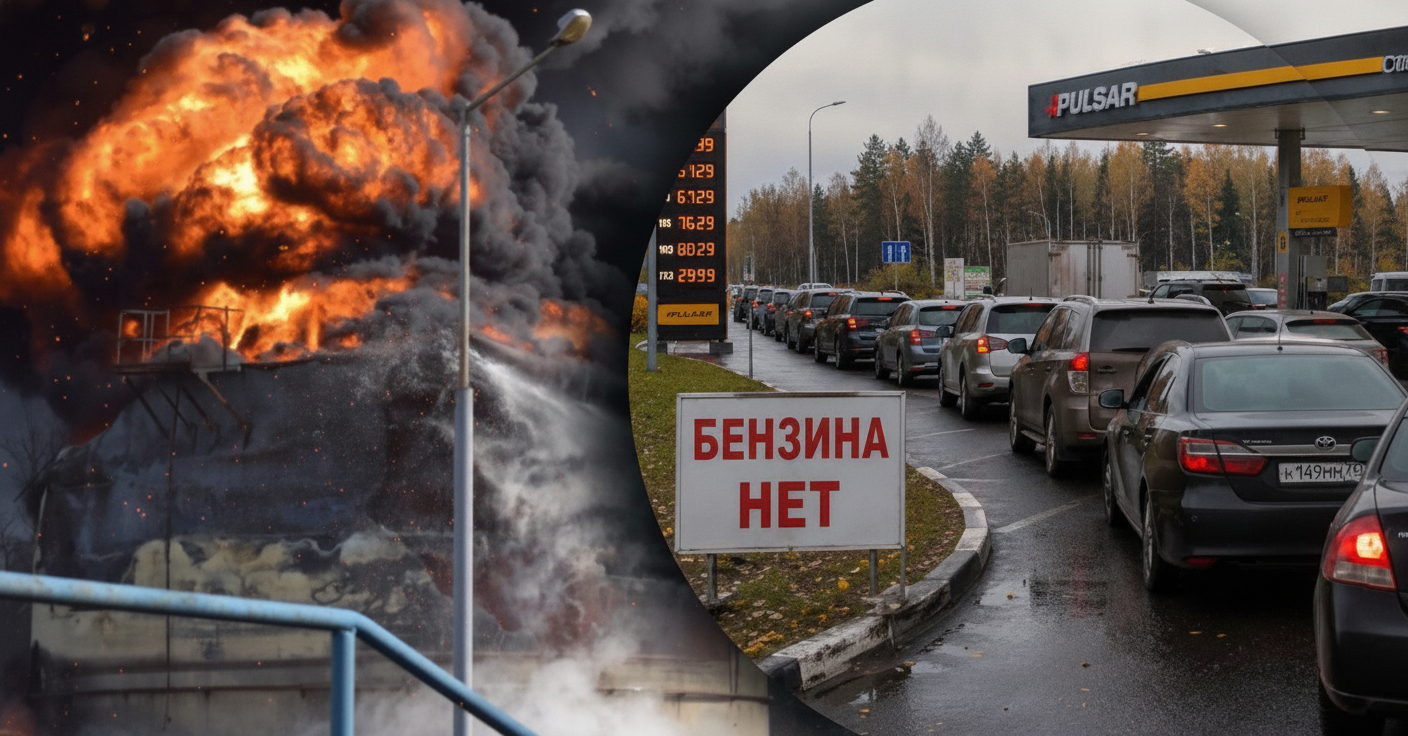
The illusion that sanctions would cripple Russia is crumbling under economic realities. The Kremlin earns $150 million daily from oil sales, significantly undermining efforts to pressure the Russian economy. This reveals that current sanctions are failing to achieve their intended goal of reducing funding for Russia’s military operations.

Battlefield Gains and the Role of Diplomacy

Still, there are grounds for optimism on the Ukrainian side. Ukraine’s defense forces are effectively pushing back the enemy at the front, with reports indicating over 90,000 Russian occupiers have been eliminated in the last three months. This points to a depletion of the Russian army, as Ukrainian troops inflict devastating losses. Despite these achievements, Stubb noted that the chances of an unexpected end to the war in Ukraine by 2026 are slim, underscoring the conflict’s protracted nature.

Diplomacy continues to play a key role in the current situation. Ukraine is actively engaged in peace negotiations, seeking paths to resolve the conflict. However, given the existing challenges and realities, it is crucial to remain cautious and not rely solely on positive forecasts.

The Finnish president’s remarks highlight the complex situation facing the international community in countering Russian aggression. Successes on the battlefield, where Ukrainian forces are making gains, stand in stark contrast to the disappointing results of economic sanctions, which have failed to halt the financing of military actions. This underscores the need to adapt strategies both on the front lines and in diplomacy, taking into account the prolonged nature of the conflict and the importance of continuing talks to achieve peace.


Read also

Advertising