Main News










Advertising

Advertising
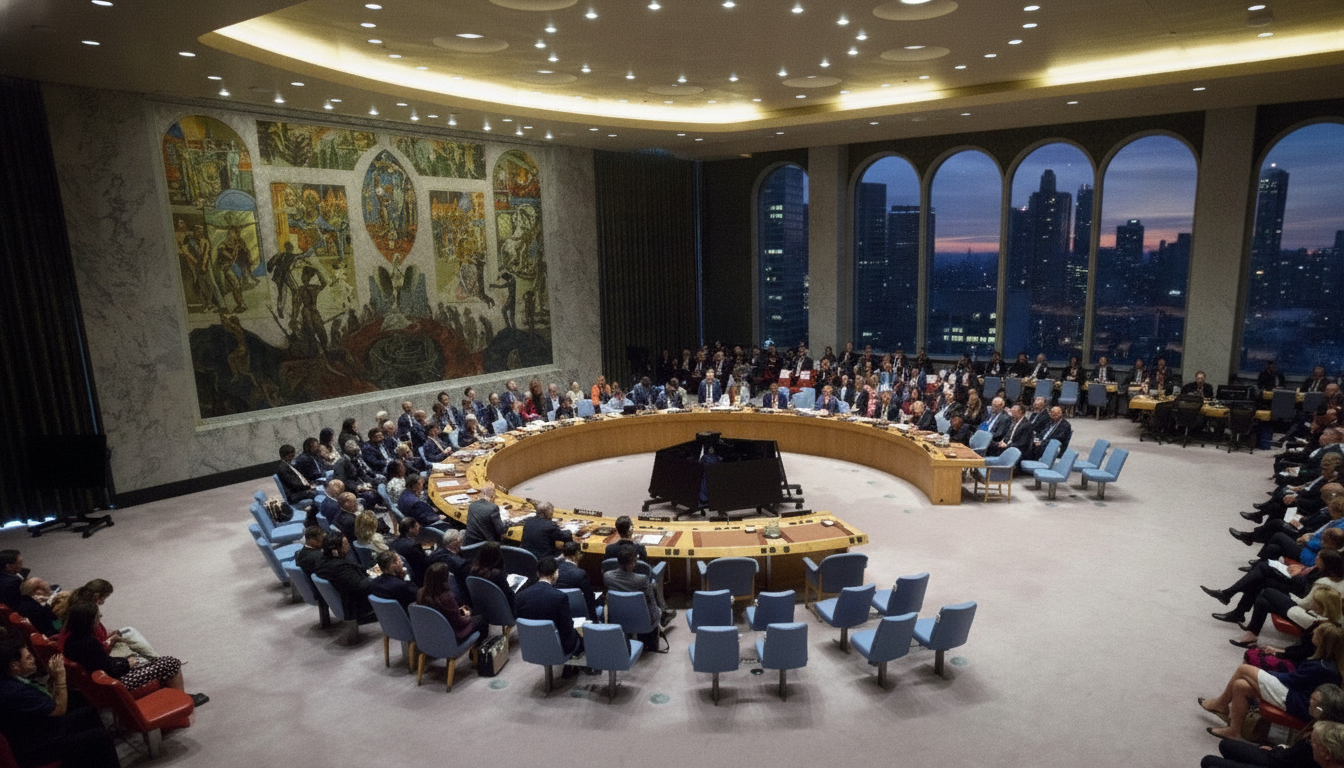

Sweden Pledges €124 Million to Ukraine’s Energy Sector: Here’s Where the Money Will Go
Sweden’s Financial Boost for Ukraine’s Power Grid Sweden is providing Ukraine with €124.1 million to rebuild energy infrastructure damaged by Russian attacks. The funds will be channeled into the Ukraine Energy Support Fund, which is focused on preparations for the upcoming heating season. This brin...
yesterday, 21:12
405

Kazakhstan Seals Its Border with 59 Checkpoints Amid Russia’s Fuel Crisis
yesterday, 19:30
397
Horoscope
LIFESTYLE
Tourism






Tech


Society


Journalist Honored for Documentary on Orphans Who Endured Occupation
today, 11:42
178
History Teacher Banned from Teaching Until 2032 for Justifying Russia’s War
yesterday, 20:30
378

Investigation Underway After Violent Assault on 19-Year-Old Ukrainian in Wrocław
yesterday, 18:00
379







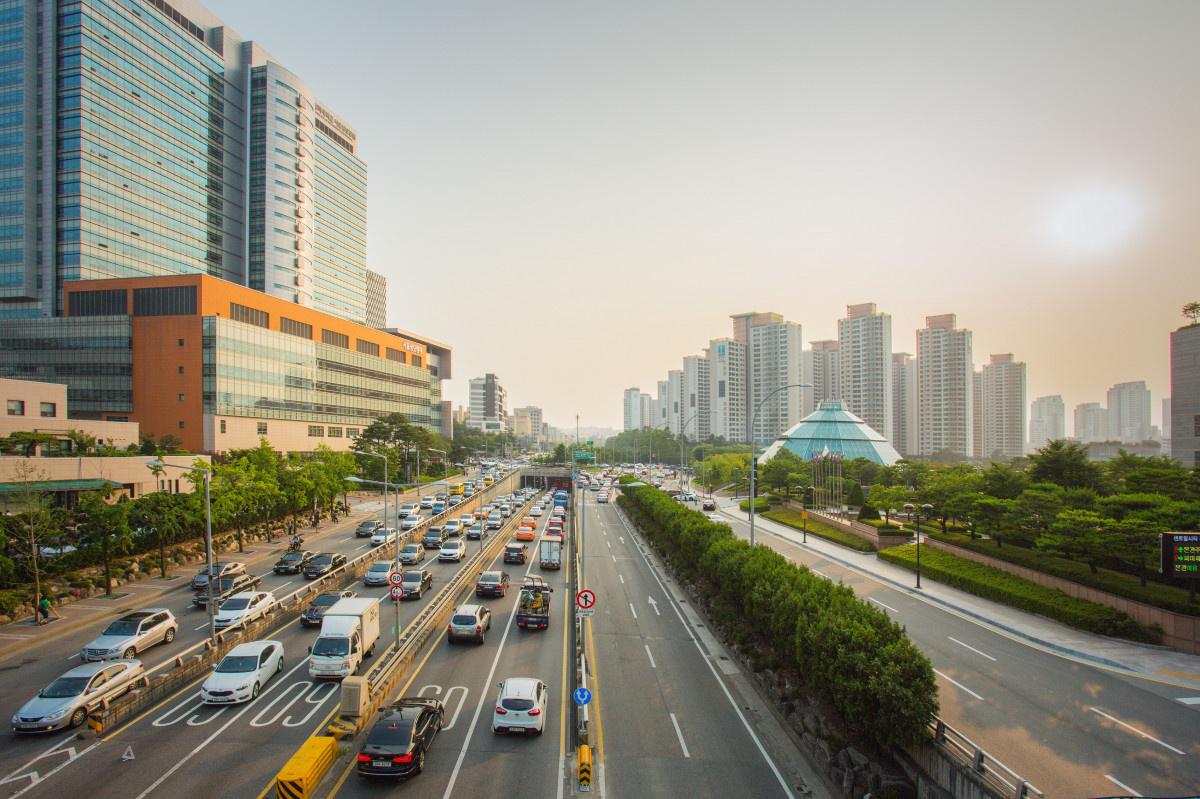
South Korea Introduces Remote Work Visa with New Residency Rules
today, 00:00
402
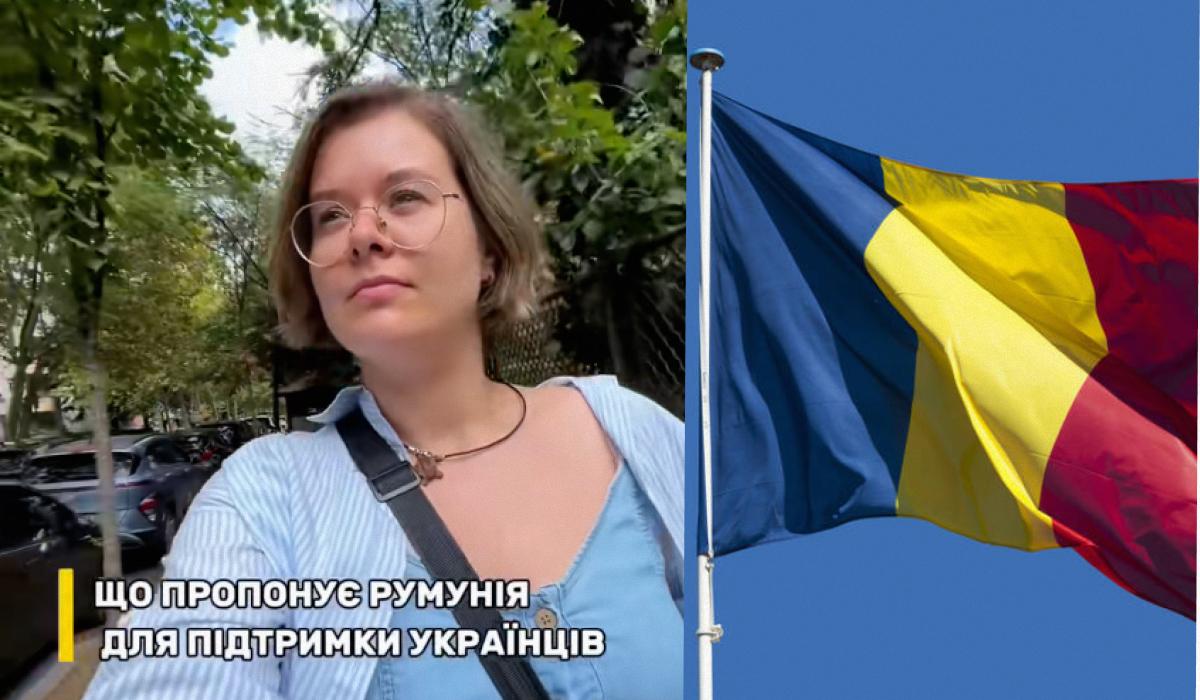
Moving to Romania? A Ukrainian Blogger Shares Key Advice for Relocation
yesterday, 12:36
408
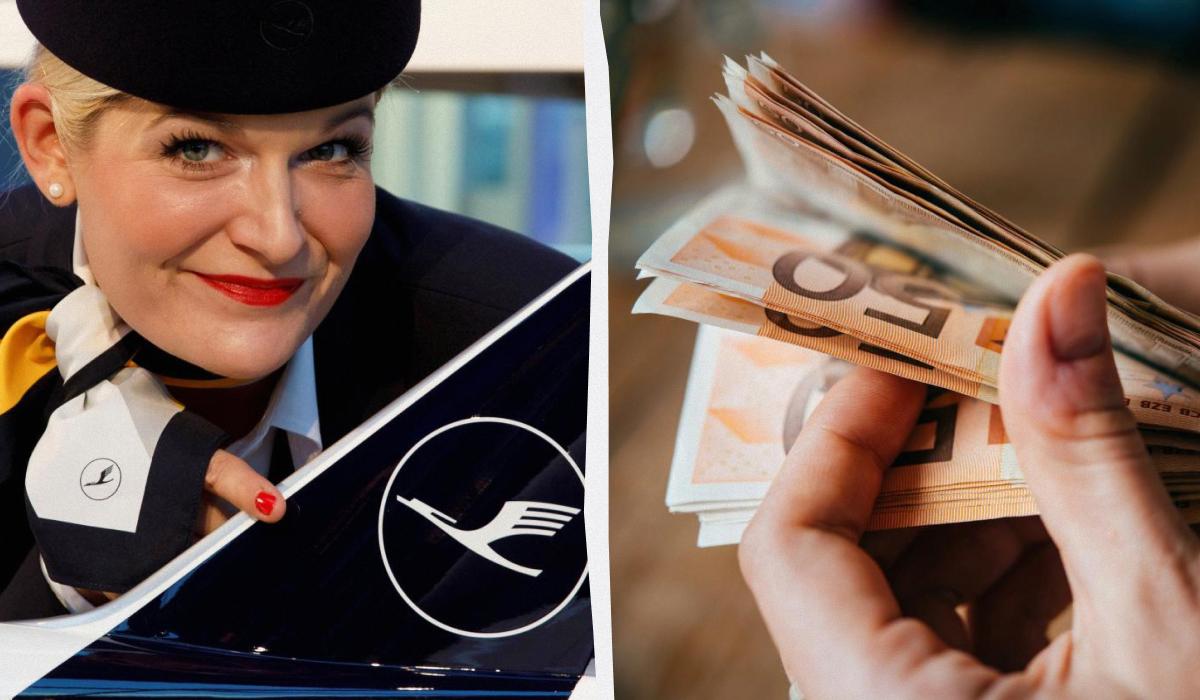
Lufthansa to Charge for Seat Changes Starting July 1: What Travelers Need to Know
yesterday, 02:18
510
Bath, England Crowned the World’s Happiest City: Top 20 Ranking Revealed
yesterday, 02:12
512