Russian Drone Strike Hits Kharkiv Student Dormitory, Forcing Evacuation of 60.

Details of the Kharkiv Attack
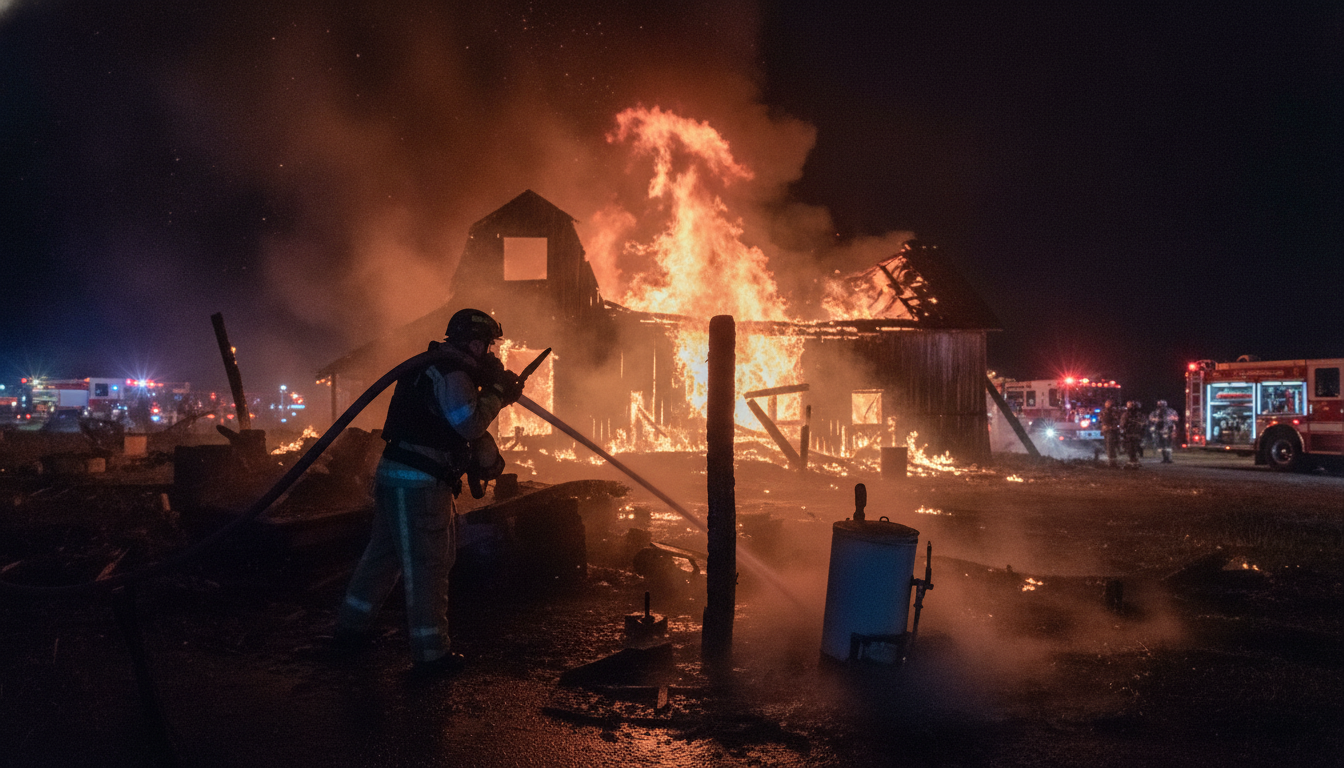
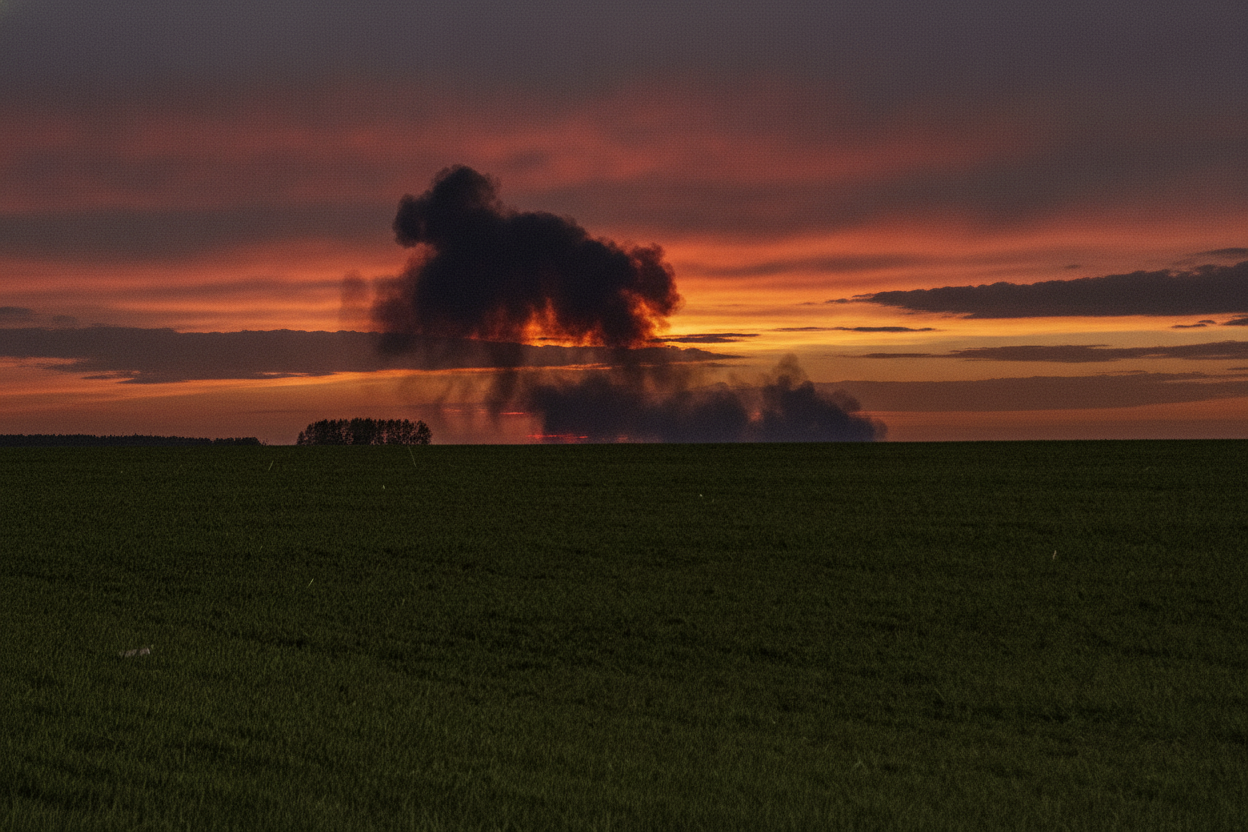
According to UATV: On March 1, 2023, Russian forces attacked the city of Kharkiv using assault drones. One of the unmanned aerial vehicles struck a nine-story student dormitory belonging to a local university, causing a fire and forcing the evacuation of residents. The incident resulted in 60 people being evacuated, with three requiring medical attention for stress-related conditions. This attack is part of a wider pattern of strikes on civilian infrastructure in Ukraine's second-largest city.
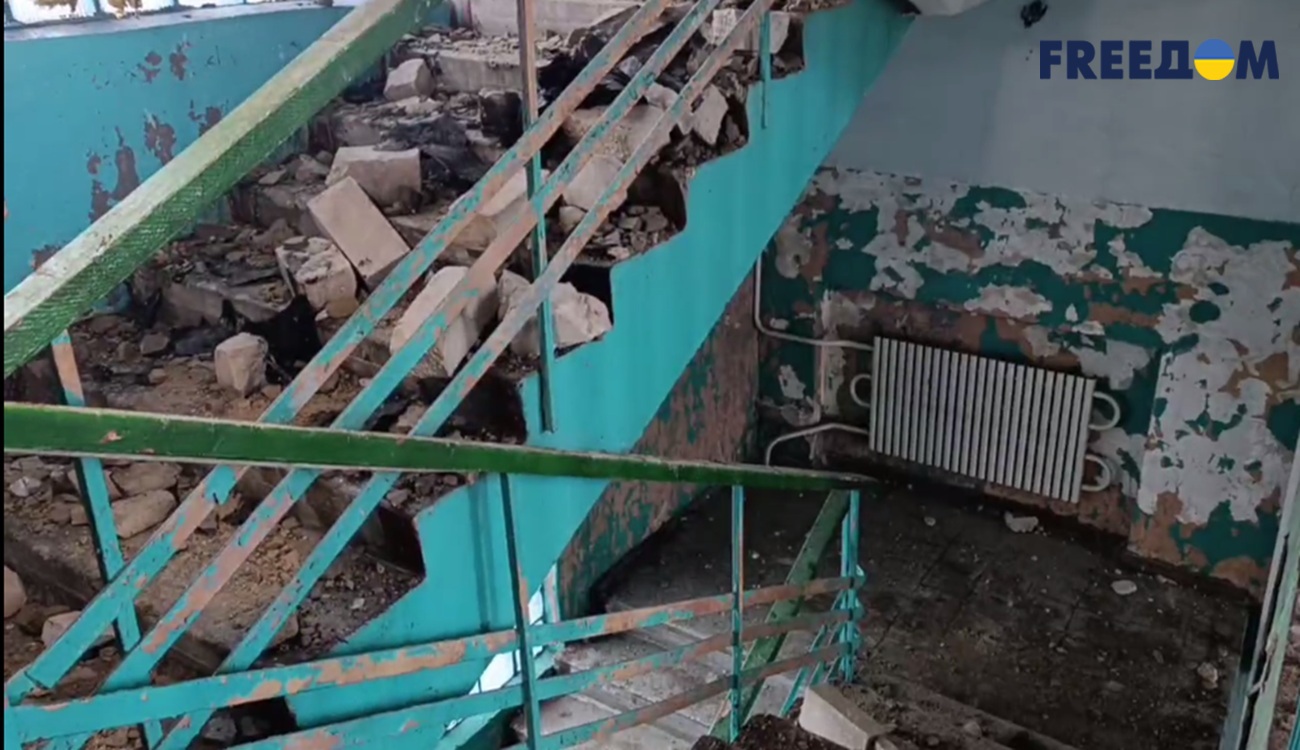
The attack was recorded in the Saltivskyi and Shevchenkivskyi districts of the city. Preliminary information indicates the drone model used was a 'Geran-2' (Geranium-2). The strike caused significant damage to the dormitory's roof and technical floor, a building housing over one hundred people.
Accounts from Dormitory Residents and Management
'I had just finished my tea and was about to start cooking borscht when I heard the explosion. The fire started spreading from the eighth and ninth floors. Pieces of the drone were flying everywhere. If my window had been open, everything would have been blown inside. It was terrifying.' — Valentyna Shevchenko, dormitory resident
'We had just received this generator from charitable foundations—it was brand new, and we were planning to connect it. It's completely burned out. At first glance, I can see extensive damage: our roof is damaged, among other things. We will definitely rebuild. Displaced people live here, and we will not let them down.' — Petro Yushchuk, dormitory director
This attack represents another escalation in the conflict within the region, raising concerns among local residents and aid organizations. Such incidents underscore the dangers faced by civilians in active combat zones and highlight the ongoing need for support for those affected by the war.
The situation in Kharkiv remains tense, and events like this one continue to significantly impact the morale and safety of the local population.
Read also