










Russia's Nuclear Disinformation Campaign Aims to Blackmail the West.

Russia's Nuclear Disinformation Campaign Aims to Blackmail the West

Russia's Disinformation Campaign

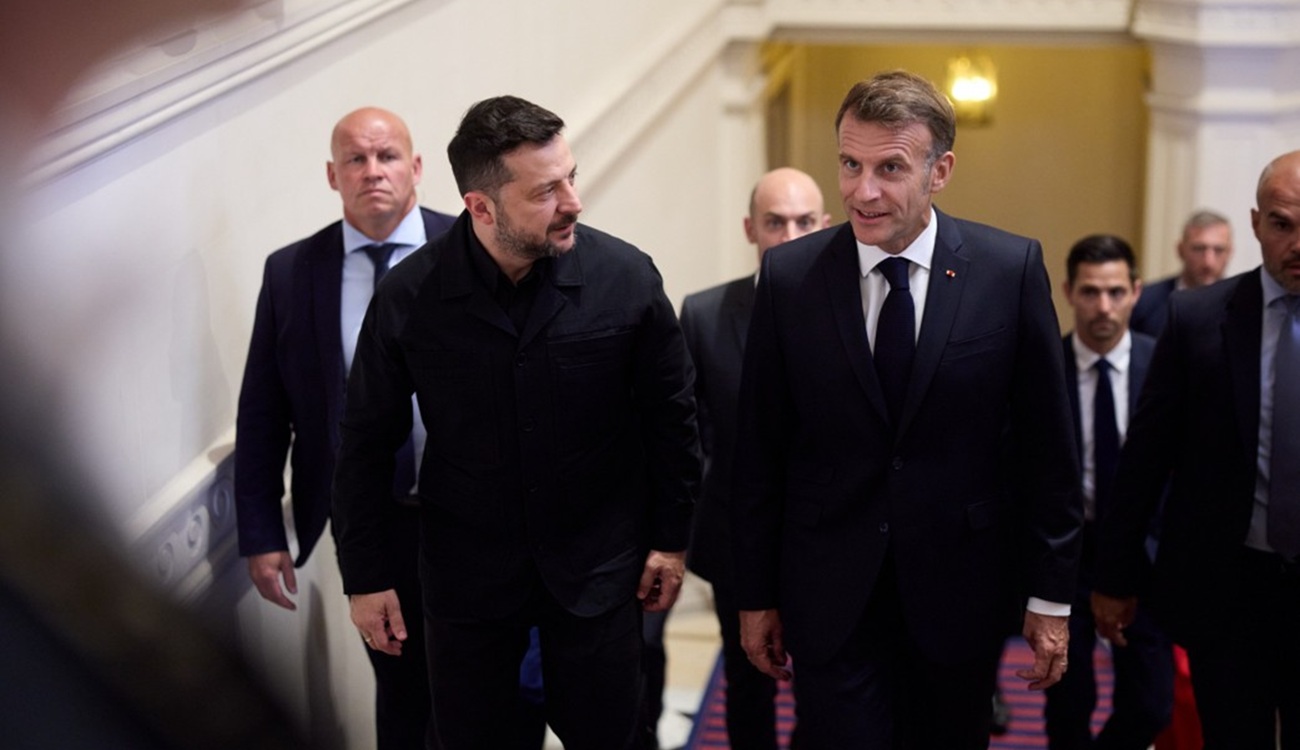
According to TSN.ua: Russia has launched a disinformation operation falsely accusing the United Kingdom and France of preparing to transfer nuclear components to Ukraine. These fabricated claims are designed to escalate nuclear blackmail and intimidate Western allies. In response, Ukrainian President Volodymyr Zelenskyy has reiterated that Ukraine does not possess nuclear weapons, stating,

“unfortunately, you know all the circumstances when it was lost.”

Escalating Threats from Russia

Amid this campaign, Deputy Chairman of the Russian Security Council Dmitry Medvedev has threatened nuclear strikes against Ukraine and its supplier nations, asserting that

“there cannot be the slightest doubt that Russia will be forced to use any nuclear weapon in such a development of events.”
This rhetoric marks a significant escalation from Moscow, intended to foster an atmosphere of fear among Western states. Such nuclear saber-rattling is a well-established tactic in Russia's hybrid warfare playbook.

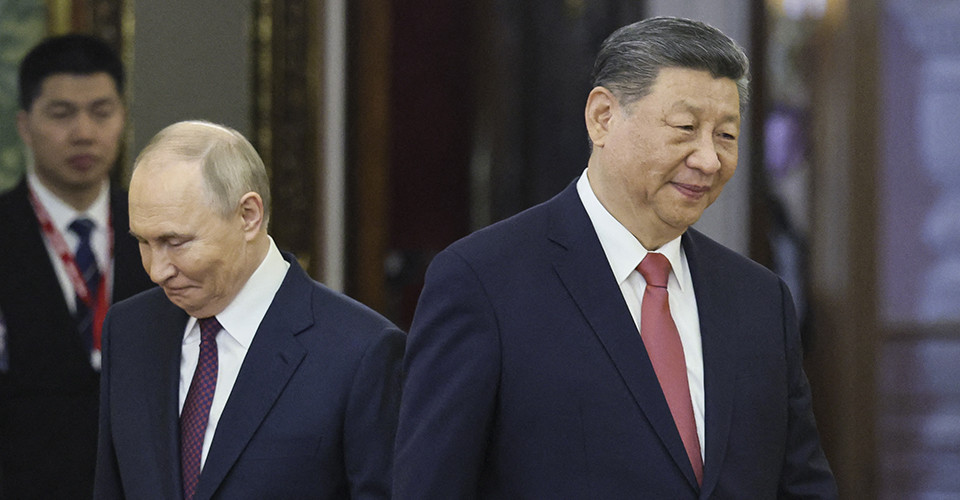
Kremlin leader Vladimir Putin has also emphasized the importance of Russia's nuclear arsenal, labeling the development of its nuclear triad an 'absolute priority' for the Kremlin. This strategy is a clear component of a broader policy aimed at supporting an aggressive foreign policy and deterring potential adversaries. Concurrently, against the backdrop of rising international tension, China has expressed the view that 'nuclear weapons cannot be used, and a nuclear war is inadmissible.'

It is noteworthy that February 23rd is celebrated in Russia as Defender of the Fatherland Day, an occasion that can be leveraged to boost patriotic sentiment and justify military ambitions. Putin has designated 2026 as the 'year of unity of the peoples of Russia,' which may signal the Kremlin's intent to focus on internal cohesion amid external pressure.

Consequently, the situation surrounding nuclear weapons and Ukraine remains highly tense, with Russia continuing to use disinformation as a tool to achieve its geopolitical objectives. This campaign of intimidation underscores the growing strain in international relations, particularly within the context of the war in Ukraine. Threats regarding the use of nuclear weapons and information manipulation pose serious risks to global security and stability, increasing caution among Ukraine's allies and creating new challenges for diplomacy.


Read also

Advertising