






Russia's AI Ambitions Stalled by Putin's Tech Distrust and a Massive Brain Drain.

Russia's AI Ambitions Stalled by Putin's Tech Distrust and a Massive Brain Drain

Russia's Lag in Artificial Intelligence Development

According to TSN.ua: Russia continues to fall behind in the global race to develop artificial intelligence (AI). This is largely attributed to President Vladimir Putin's well-documented technophobia and the severe impact of war and international sanctions. In a ranking of 36 nations by AI advancement, Russia placed a lowly 28th, trailing behind countries like Belgium, Ireland, and Luxembourg. This position underscores the profound technological hurdles the nation now faces.

Compounding the issue, not a single Russian company ranks among the world's top 100 tech firms, nor does any of its universities feature in the top 200 AI research centers. These factors contributed to an exodus of approximately 100,000 IT specialists in 2022 alone, representing a staggering 10% of the sector's workforce. This brain drain is particularly crippling as Russia attempts to foster innovation while being increasingly isolated from global tech ecosystems.

Critical Shortages in Technological Hardware

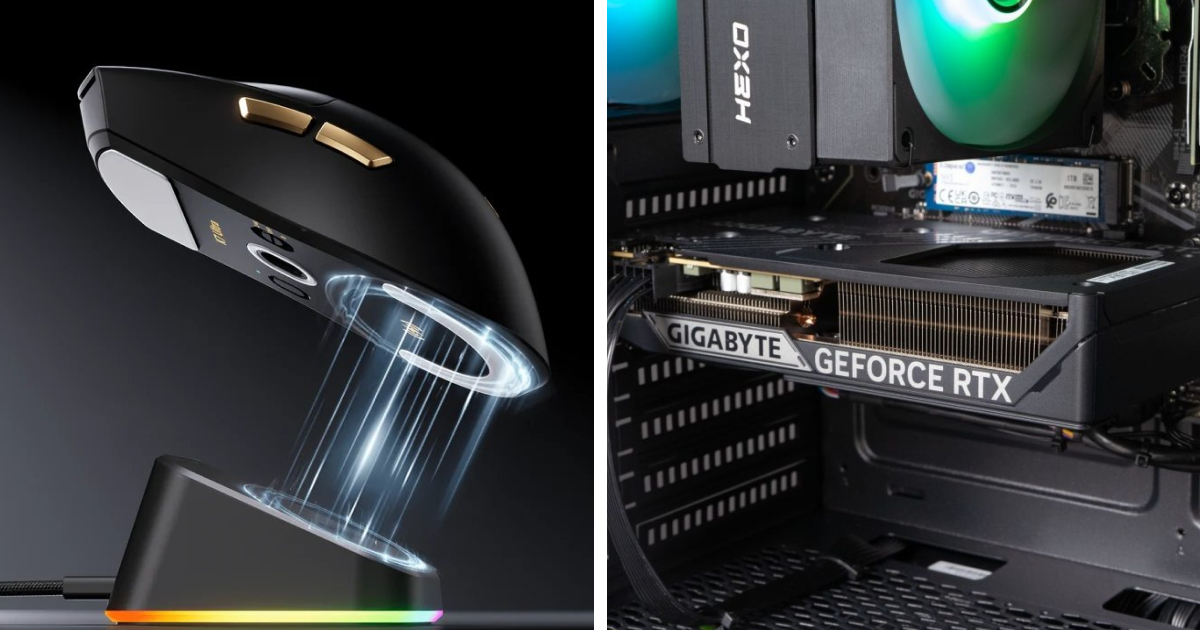
A further critical obstacle is Russia's severely constrained access to essential hardware. For instance, since the beginning of its invasion of Ukraine, the state-owned Sberbank has managed to procure only 9,000 Graphics Processing Units (GPUs) for training neural networks. To put this in perspective, Microsoft purchased nearly 500,000 GPUs in the single year of 2024. This vast disparity highlights a fundamental resource deficit hampering Russia's AI ambitions.

Commenting on the situation, Dmitry Medvedev remarked: 'Artificial intelligence has become a coward.'

This statement reflects a broader climate of official distrust and misunderstanding of advanced technologies within the country. Consequently, Russia is grappling with a multitude of challenges in the AI development race, which is likely to have long-term consequences for its technological sovereignty and overall economic health.

The current trajectory points to significant limitations in Russia's high-tech sector, which will almost certainly undermine its international competitiveness. As other nations pour investment into AI, Russia must find ways to overcome these deep-seated issues to avoid further technological marginalization and preserve any semblance of economic stability.


Read also

Advertising