The film Hamnet divided critics: a genius meditation or a cheap melodrama.


The emotional tension of the film
According to Vox: The lyrical and elegiac film Hamnet by director Chloe Zhao, adapted from the novel by Maggie O'Farrell, has become an Oscar favorite after its festival release. However, when the film was released widely on 'Thanksgiving', a new question arose: is this story, built around the tragic death of Shakespeare’s 11-year-old son and the creation of Hamlet, a poignant meditation on grief and art that helps us understand it? Or is it just a manipulative spectacle?
The emotional charge of Hamnet raised some skepticism among critics, even though they were moved.
'Hamnet Feels Elemental,' notes Justin Chang's review in New Yorker, 'But Is It Just Highly Effective Grief Porn?'
In his review, Chang admits that he watched the film with 'tear-streaked eyes, caught in such a downpour of emotions that it simultaneously cooled my skepticism and restored it.'
Critical reviews
In New York Times, Alice Wilkinson describes Hamnet as 'passionate, piercing and emotionally charged', yet warns: 'This amount of emotion may prove overwhelming, and at times Zhao cannot or does not want to keep it under control.'
Amazing changes
Shakespeare borrowed the plot for Hamlet from other sources, but made one significant change. In the original material, the main character has a powerful reason to appear mad, hiding in the courtyard of his murderer-uncle. His motives are abstract, making his image complex.
The power of emotions
Watching Hamnet, I noticed the audience audibly weeping in many scenes. I also felt emotional exhaustion as if experiencing a deep catharsis. However, I pondered whether what I saw truly moved me comprehensively and productively or simply played on my deepest fears of death.
This paradox is rooted in Hamlet, which raises the question: how do we cope with thoughts of death and why does humanity need art?
Archetypal characters
The remarkable strength of Hamnet lies in the fact that the characters are perceived more as archetypes rather than as individual personalities. Zhao emphasizes the balance between different polarities: 'Bitter separation holds you in the past, but time leads you forward.'
The character of Agnes Hathaway, Shakespeare's wife, symbolizes feminine awareness that contrasts with her husband's emotionality. They represent different aspects of life — nature and the city.
When Hamnet dies in his mother’s arms, the scene reveals the true scale of grief, presented in such an expressive form that it can resonate with viewers.
'He speaks very strongly.'
If the artistic images are not objective enough, the feelings of grief may seem direct, but this does not distract from the serious questions raised by both works.
Loss and recovery
In the final scenes of Hamnet, Agnes faces the performance of Hamlet, initially feeling outrage but eventually finding a path to healing through art.
According to Zhao's original idea, complete redemption through the loss of Hamnet can only occur through Agnes's deep immersion in the play. This creates a moment when the world of emotions, grief, and art merge, enhancing the overall experience.
Ultimately, while I cannot claim that Hamnet is great art, its emotional power undoubtedly impresses and cannot be ignored.
Read also
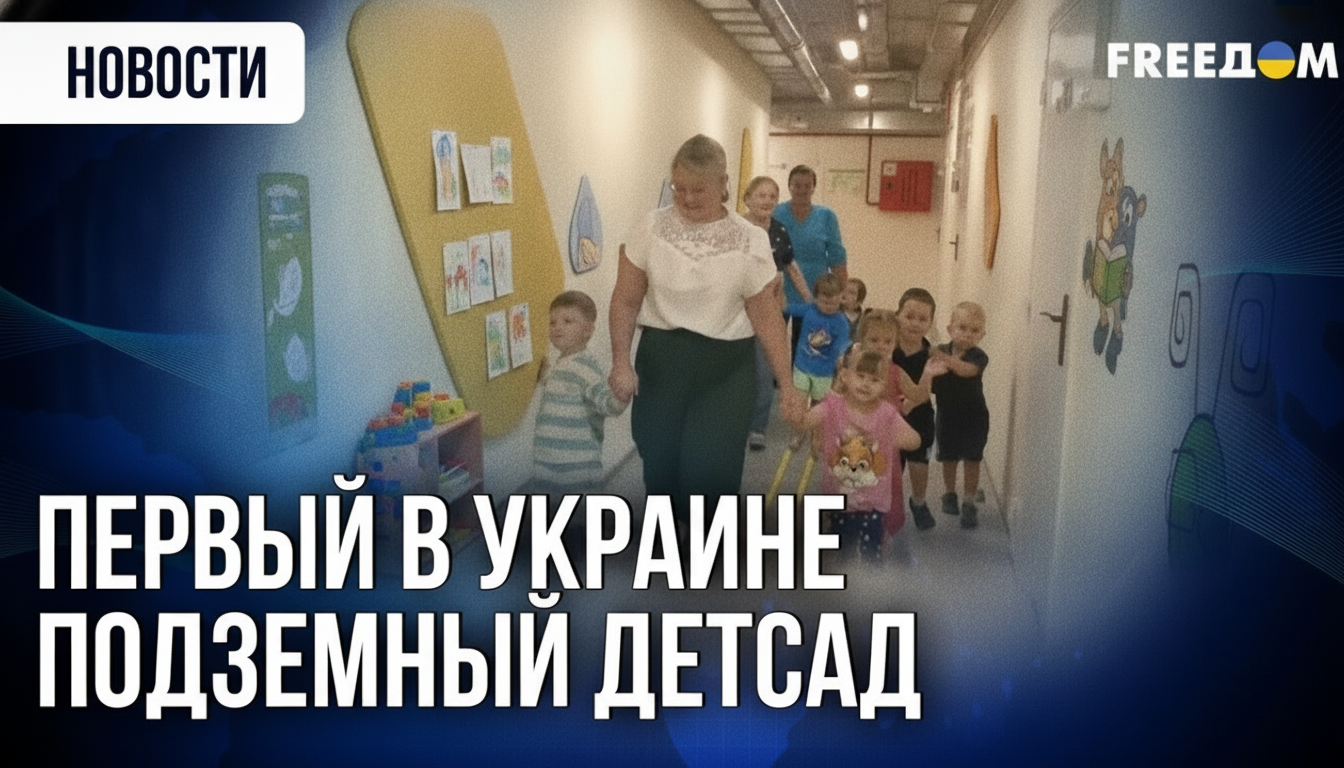
- Ukraine’s first underground kindergarten opens in Kharkiv, accommodating 260 children
- Ukraine's ports crippled by Russian strikes: 28 vessels hit, 21 killed
- 24 Children Rescued from Occupied Territories by Save Ukraine, Including Injured 13-Year-Old Anhelina
- Woman Faces Up to 7.5 Years in Prison After Attacking Children for Speaking Ukrainian in Poland
- One of the Most Recognizable Voices on Ukrainian Radio, Journalist Oleksandr, Has Passed Away
- Crimean Tatars Reclaim Their True History: How Valery Vozgrin’s Work Dismantles Russian Myths