Food Stamps in the US at Risk: Millions of Americans Will Go Hungry.

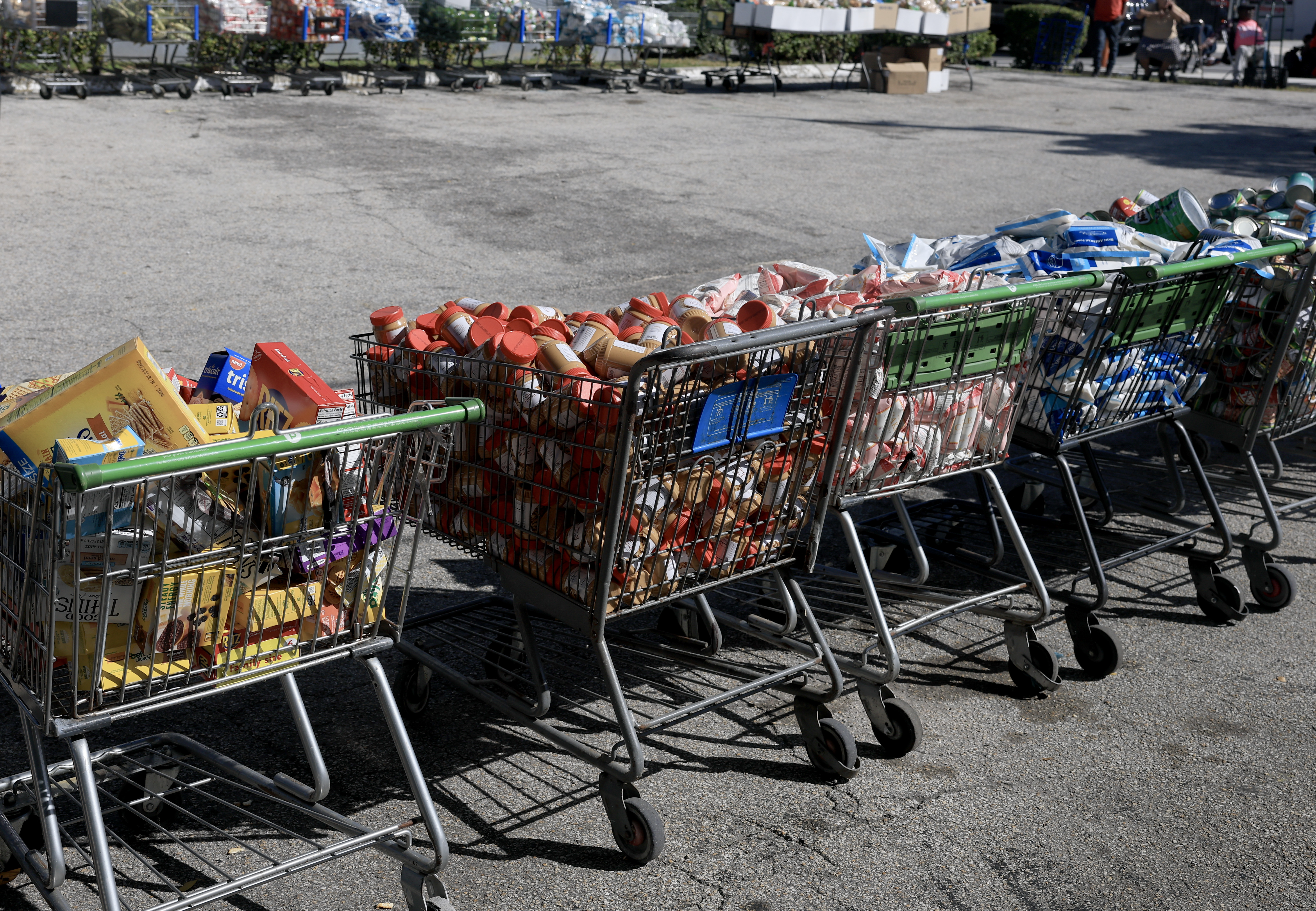
According to Vox: On Saturday, benefits from the Supplemental Nutrition Assistance Program (SNAP), also known as food stamps, will end. This will affect over 40 million Americans who have fallen victim to the second-longest government shutdown in US history.
The approaching deadline underscores the real impact of the deadlock in Washington, while igniting a new wave of controversy regarding social assistance in the US. Social media users are actively sharing videos showing food assistance recipients allegedly living in luxury. These videos have garnered millions of views and sparked outrage.
Chrissy Clark, a journalist covering social welfare on the podcast The Uncertain Hour, notes that these videos reinforce stereotypes about SNAP recipients as lazy and undeservedly privileged individuals.
Clark spoke with the host of Today, Explained, Noel King, about how the stereotype of the 'welfare queen' persists in American politics and continues to influence decision-making. Here’s an excerpt from their conversation.
Stereotypes about Assistance Recipients
What do you think of these videos?
We don’t know who these people are or if they really receive food stamps. I saw one of these videos, which turned out to be a parody account claiming that this person loves to do satire and sketches. So the question arises: are they really food assistance recipients?
“Two-thirds of participants are children or adults over 60, or people with disabilities.”
Unfortunately, the comments often echo accusations that these individuals are undeserved, parasites living off food stamps. However, this perception does not reflect reality. Most people receiving food assistance do not conform to these longstanding stereotypes. For example, two-thirds of recipients are children, elderly individuals, or people with disabilities. And speaking of those who could work, most of them have steady jobs.
The average assistance for a food stamp recipient is about $6 a day. Thus, the notion that SNAP recipients are merely living off government money and not trying to work is not supported by data.
The Impact of Stereotypes on Policy
How do you perceive accusations such as “undeserved,” “parasites,” “looters”? Are you surprised?
Unfortunately, this is not new. There is a deep sense of concern that many people in the US collectively feel. This concern is fueled by politicians who believe that by helping people, we often support those who do not deserve assistance. This illustrates a fundamental divide in American society: those who deserve help and those who do not.
How do our assumptions become policy?
Probably, everyone has heard about the stereotypes associated with Reagan and the “welfare queen” that emerged during attempts to cut benefits in the 1980s.
In 1996, Congress passed the most significant welfare reforms. The magazine The New Republic published a cover urging President Clinton to sign laws that would radically cut welfare programs. The illustration depicted a Black woman with a cigarette and a child in her arms.
How do these videos impact the present?
Whenever I see such videos on social media, I feel as if these old fears are resurfacing. These stereotypes existed even before the rise of social media, but today they spread faster. I believe that these negative perceptions are still actively disseminated.
Changes in Welfare Policy
By 2025, a significant difference can be noted: social assistance programs are generally considered the territory of Democrats. However, the situation has changed after the 2024 elections, when many poor and working-class people supported Donald Trump. Recently, Josh Hawley, a Republican from Missouri, stated in the New York Times that he supports funding for SNAP.
Do you think Republicans are changing their approach to welfare?
I wouldn’t think so. Republicans seem focused on supporting so-called “deserving poor.” If you look at the voting patterns, it’s clear that he supported changes to the eligibility conditions for food stamps this summer, which will greatly diminish access to assistance.
Where Do People Turn for Help?
On Saturday, the benefits will end. Where do people go when they lose assistance?
People turn to food banks and pantries. While the nonprofit sector tries to fill this gap, everyone acknowledges that they cannot replace the support provided by food stamps. I was in Dayton, Ohio, at Walmart at midnight, knowing that at 12:01 people receive their monthly benefits. The number of visitors was striking—this is evidence of urgent need. People cannot wait until the next day.
I met a woman with an eight-year-old son. Her food stamps had already expired, and despite all her efforts, she could not make ends meet without this assistance. This is worth considering on November 1st.
The situation with SNAP benefits and the stereotypes surrounding assistance recipients remains an important topic of public discourse in the US. Understanding the real needs of these individuals can help combat stigmatization and encourage more constructive changes in the country's political life.
Read also
- Three Ukrainians Without Documents Rescued from Occupied Territories Under Bring Kids Back UA Initiative
- Ukraine’s first underground kindergarten opens in Kharkiv, accommodating 260 children
- Ukraine's ports crippled by Russian strikes: 28 vessels hit, 21 killed
- 24 Children Rescued from Occupied Territories by Save Ukraine, Including Injured 13-Year-Old Anhelina
- Woman Faces Up to 7.5 Years in Prison After Attacking Children for Speaking Ukrainian in Poland
- One of the Most Recognizable Voices on Ukrainian Radio, Journalist Oleksandr, Has Passed Away