




80 thousand missing persons: how tattoos help bring heroes home.

80 thousand missing persons: how tattoos help bring heroes home

According to ТСН: The great war continues in Ukraine, which has been going on for the third year now. According to official data, the number of missing persons has exceeded 80 thousand, and this number is growing daily. Identifying people who return during the repatriation of bodies is becoming an increasingly complex task for specialists. Sometimes even a DNA profile is not enough, and sometimes there is simply nothing to compare it with.

TSN correspondent explored how the mechanism of searching for missing persons works and why tattoos can become the last hope to bring a hero home.

The story of 'Technician': an orphan searched for by the whole world

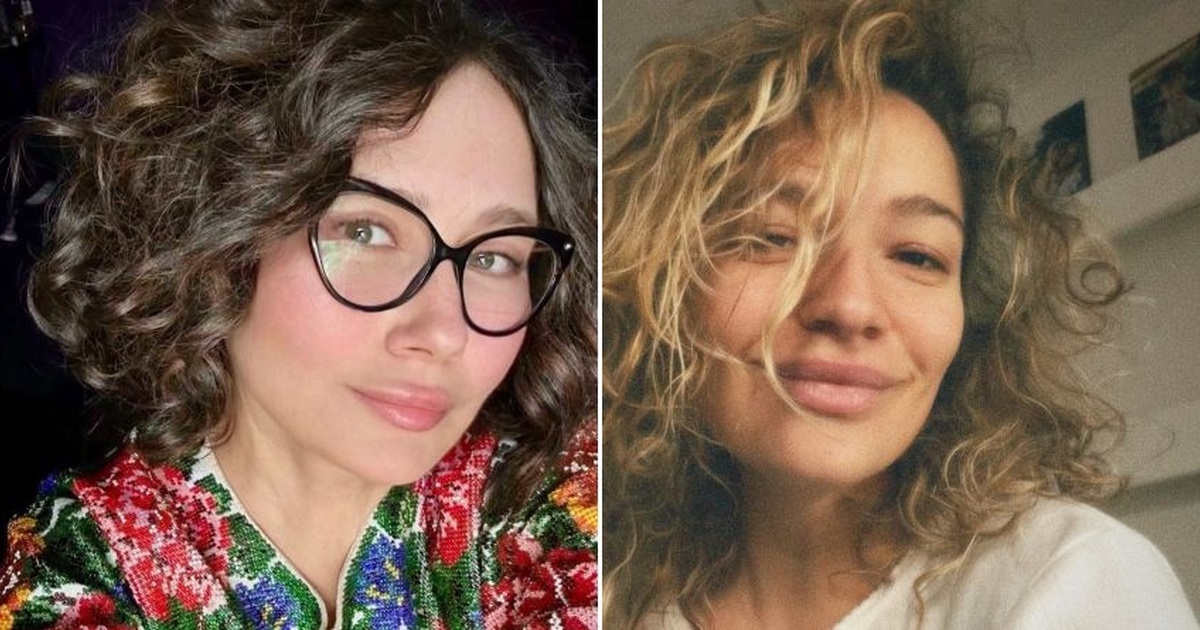
On the Alley of Heroes in Kyiv, 21-year-old Anastasia Voytenko visits this place almost daily. Here, among the flags, hang photographs of Ivan Shevchenko, whom his friends called 'Sheva' and his comrades called 'Technician'.

'He was like an older brother whom I always lacked. I am alone in the family, and he always protected me, sheltered me from the world. He was the kindest person; he was always sincere and straightforward, never lied, always said what he thought,' recalls Anastasia.

Ivan's life was tragic from birth: his mother left him as an infant in a stroller in the middle of winter. Later, he ended up in an orphanage, and he did not have a good relationship with his guardian.

'She constantly kicked him out of the house, did not give him food if he did not meet her demands,' the girl recounts. Ivan's true family became his friends.

When Ivan died near Avdiivka, the question of identification arose. The orphan had no relatives from whom DNA could be collected for analysis. Anastasia searched for anything that could help: 'Comrades brought his belongings, and I found hair in a hat - it was long and curly, as well as a toothbrush.'

Ministry of Internal Affairs Laboratories: DNA is extracted even from ashes

In specialized laboratories of the Ministry of Internal Affairs, work goes on continuously. Here, personal belongings and remains are examined, which sometimes look hopeless. A professor who changed the university department for the laboratory shows charred bones.

'These bone remains are in very poor condition, the probability of establishing a DNA profile is very low. We extract DNA from any bones that have not burned, but if the bone has burned – this is a complex case. But we are hopeful. This is a kneecap! This is very good material; it usually gives results,' an expert explains.

Every month in Ukraine, about 2-2.5 thousand examinations are conducted only on repatriated bodies. According to the deputy director of the expert center of the Ministry of Internal Affairs, the process would be much faster if all military personnel submitted their DNA samples in advance.

'If we are talking about a military personnel sample collected in advance, and an unidentified body sample - these are two samples. If there are relatives - then a minimum of three. This would be a third cheaper for the state and twice as fast in time,' says Abbasov.

Superstitions and 'bad omens': why has not everyone submitted DNA?

According to the Authorized Representative on missing persons, living DNA samples were collected from 90% of National Guards and Border Guards. In the Armed Forces of Ukraine, the situation is more complicated - only a little over a third. The reason is not only logistics but also the psychology of the fighters.

'Some military personnel believe that this is a bad omen or do not want to do it for other beliefs. This percentage is about 5-10% depending on the unit,' notes Dobroserdov.

Tattoo and fingerprint registry: new search tools

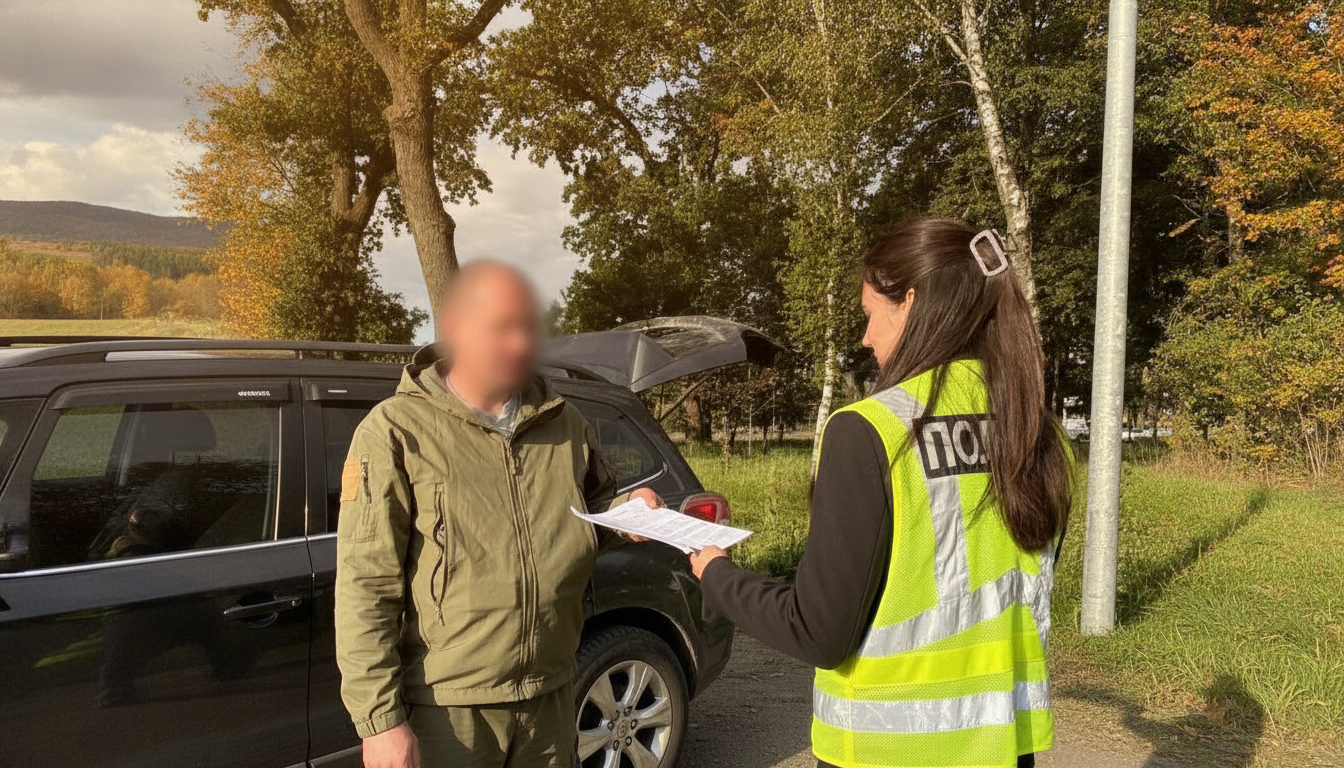
The Office of the Authorized Representative is actively involved in searching for people not only in morgues but also in Russian social networks. Today there are more than 2,500 people whose captivity is not confirmed by the Red Cross, but Ukraine has evidence of their presence.

To facilitate the search, Dobroserdov proposes to create a state tattoo registry and collect fingerprints from military personnel.

'The question is that fingerprints can only be used for searching and identification, not for proving crimes. This would allow finding a person in photos or videos published by the occupiers,' he emphasizes.

'He is already home'

Ivan Shevchenko's body was returned during an exchange. The DNA obtained from the hair found by Anastasia matched. In addition, the girl recognized him by the tattoo 'Techno' on his abdomen.

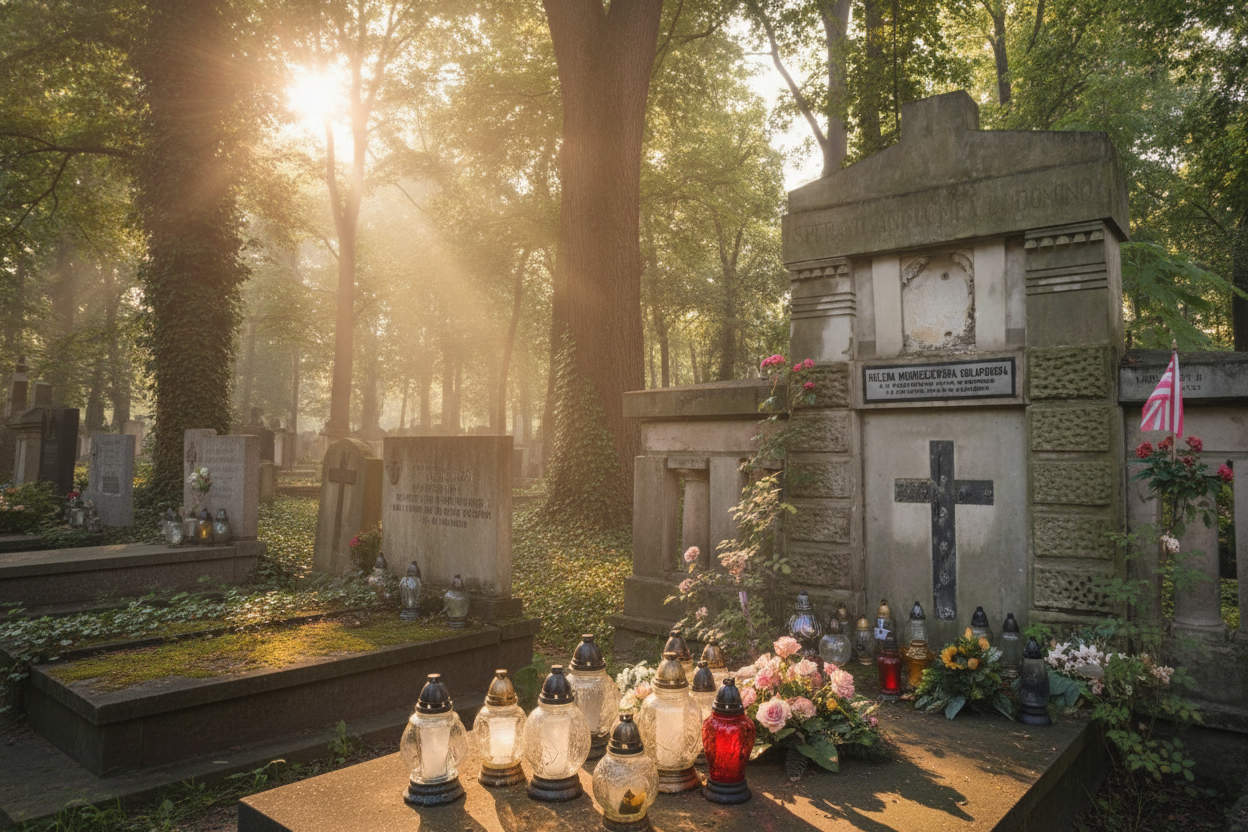
Now 'Technician' rests at the Forest Cemetery next to his best friend Andriy Prokopenko. They grew up together, went to fight together, and died together. Anastasia brings them sweets and drinks, as once in peaceful Kyiv: 'It was sacred; I always open a candy bar, like they are drinking... The main thing is that he is already home, not lying somewhere there.'

▶ On the TSN YouTube channel you can watch it via this link: Why is DNA sometimes not enough to find relatives? How do the mechanisms for searching the missing work?


Read also

Advertising